


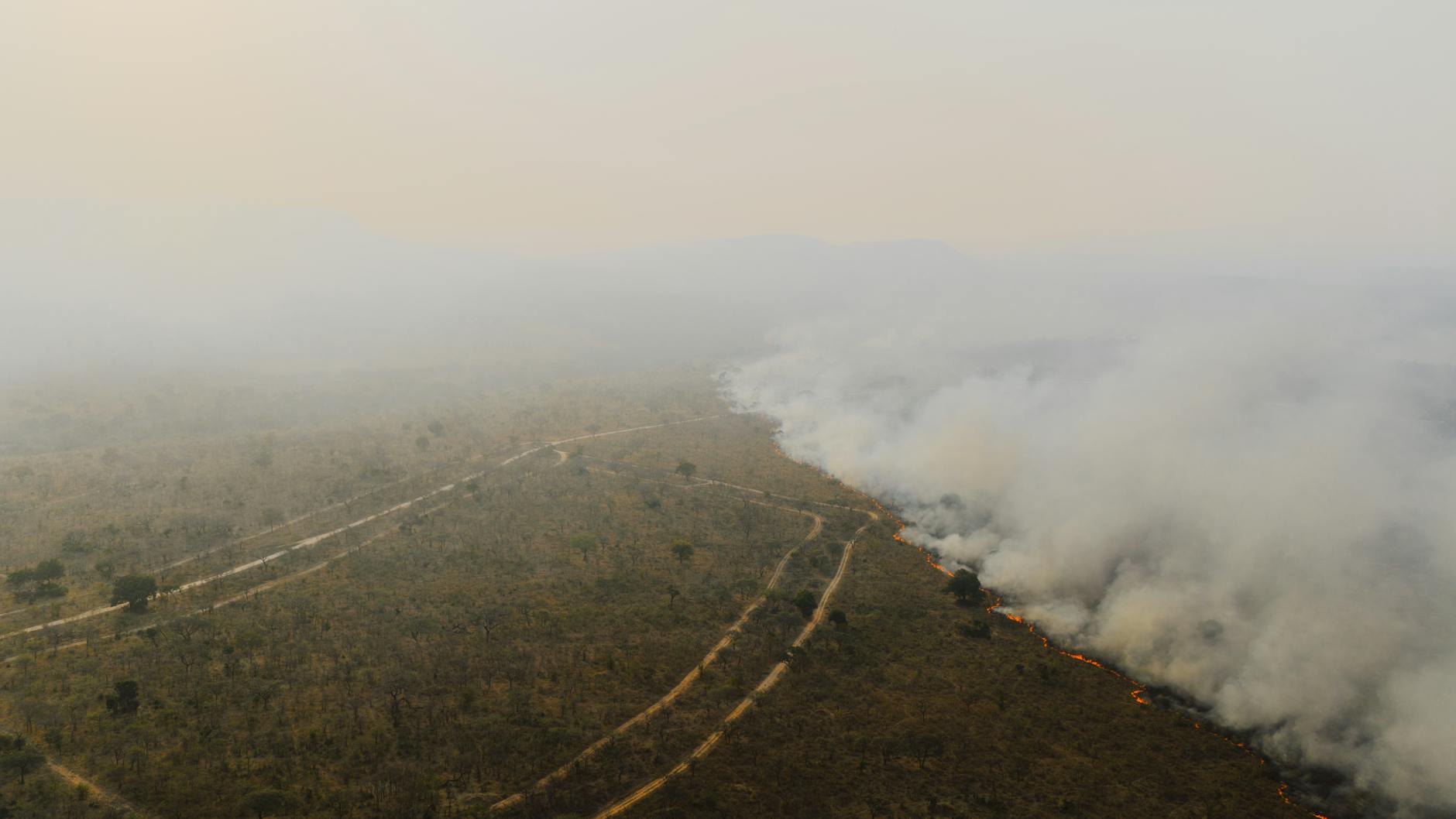
Flames race across thousands of acres in Southern California’s premier wine country as the Napa Valley Fire forces mass evacuations across multiple counties. The rapidly spreading wildfire has consumed over 15,000 acres since igniting early Tuesday morning, prompting authorities to issue mandatory evacuation orders for residents and visitors in Napa, Sonoma, and parts of Mendocino counties.
Red flag warnings remain in effect as sustained winds of 35 mph continue to fuel the blaze through drought-stricken vineyards and residential areas. Cal Fire reports the fire is currently zero percent contained, with more than 2,500 firefighters deployed to combat the flames using ground crews, air tankers, and helicopter water drops.
Evacuation Orders Expand as Fire Spreads
California Governor Gavin Newsom declared a state of emergency for the affected counties as evacuation zones expanded throughout Tuesday evening. The American Red Cross has established emergency shelters at the Solano County Fairgrounds and Sonoma State University, with additional sites opening in Santa Rosa and Petaluma.
“We’re seeing extreme fire behavior with winds pushing flames at unprecedented speeds,” said Cal Fire Battalion Chief Maria Rodriguez during a press briefing. “Our priority remains life safety, and we’re asking residents in evacuation zones to leave immediately.”
Highway 29, the main artery through Napa Valley, remains closed between Calistoga and St. Helena. The California Highway Patrol has set up checkpoints to prevent unauthorized access to evacuation zones while ensuring emergency vehicles can reach affected areas.
Pacific Gas & Electric has preemptively shut off power to more than 50,000 customers across the region to reduce ignition risks. The utility company reports that restoration timelines depend on weather conditions and fire containment efforts.
Wine Industry Faces Devastating Losses
The fire threatens some of California’s most prestigious wineries, including several in the renowned Stag’s Leap District and Diamond Mountain appellations. Preliminary reports indicate that at least twelve wineries have suffered damage, with vineyard losses potentially reaching into the hundreds of millions of dollars.
Castello di Amorosa, the 13th-century Tuscan castle replica and winery, confirmed structural damage to its visitor center and tasting rooms. Owner Dario Sattui reported that while the main castle structure survived, significant portions of the surrounding vineyard were destroyed.
“This is heartbreaking for our entire community,” said Sattui in a statement. “These vines represent generations of family heritage and decades of careful cultivation.”

The timing proves particularly devastating as harvest season approaches. September and October typically represent peak activity for wine production, with grapes nearing optimal ripeness for collection. Many vintners face the impossible choice between evacuating safely or attempting to salvage their harvest.
Napa Valley Vintners, the trade organization representing over 550 wineries, has activated its emergency response protocol to coordinate assistance for affected members. The organization previously helped coordinate recovery efforts following the 2017 Tubbs Fire and 2020 Glass Fire, both of which caused significant damage to wine country.
Emergency Response Intensifies
Federal resources have joined state and local efforts, with the National Guard deploying additional personnel and equipment to support firefighting operations. Two large air tankers from the U.S. Forest Service arrived Tuesday evening, joining six Cal Fire aircraft already conducting water and retardant drops.
The National Weather Service forecasts that dangerous fire conditions will persist through Thursday, with low humidity levels and continued gusty winds. A high-pressure system centered over Nevada is driving the offshore wind pattern, creating the perfect storm for rapid fire spread.
Similar evacuation scenarios have unfolded across multiple states this fire season, including recent emergency evacuations in Ohio following a train derailment, highlighting the increasing frequency of large-scale emergency responses nationwide.
Emergency management officials emphasize that residents should heed all evacuation orders immediately. “We cannot stress enough the importance of leaving when authorities issue evacuation orders,” said Napa County Sheriff Oscar Ortiz. “Property can be replaced, but lives cannot.”
Animal evacuation centers have been established at the Sonoma County Animal Shelter and Napa Valley College, providing temporary housing for pets and livestock. The California Animal Response Emergency System has deployed teams to assist with large animal evacuations from affected ranches and equestrian facilities.

Recovery Efforts Begin Amid Ongoing Threat
While firefighters continue battling the active blaze, community organizations and local businesses have begun mobilizing recovery resources. The Napa Valley Community Foundation has established an emergency relief fund to support displaced families and affected agricultural workers.
Local hotels outside evacuation zones have offered discounted rates for evacuees, while restaurants and grocery stores have donated food and supplies to emergency shelters. The outpouring of community support mirrors responses to previous wine country fires, demonstrating the region’s resilience in facing natural disasters.
Insurance adjusters are already staging in nearby areas, preparing to assess damage once evacuation orders lift. Industry experts estimate that total losses could reach the hundreds of millions when factoring in property damage, business interruption, and agricultural losses.
The fire’s impact extends beyond immediate property damage, potentially affecting tourism revenue that supports thousands of jobs throughout the region. Napa Valley welcomes over 3.8 million visitors annually, generating approximately $2.2 billion in economic activity.
As firefighting efforts continue around the clock, the focus remains on containing the fire’s spread and ensuring resident safety. Weather forecasts suggest more favorable conditions may arrive by weekend, potentially allowing crews to gain ground on containment efforts. The resilience shown by wine country communities during previous disasters provides hope that this historic region will once again rebuild and recover from this latest natural disaster.
Frequently Asked Questions
How many acres has the Southern California wildfire burned?
The wildfire has consumed over 15,000 acres and is currently zero percent contained.
Which wine regions are affected by the evacuation orders?
Mandatory evacuations are in effect for parts of Napa, Sonoma, and Mendocino counties.