
Flames Race Through Wine Country as Emergency Crews Battle Unprecedented Blaze
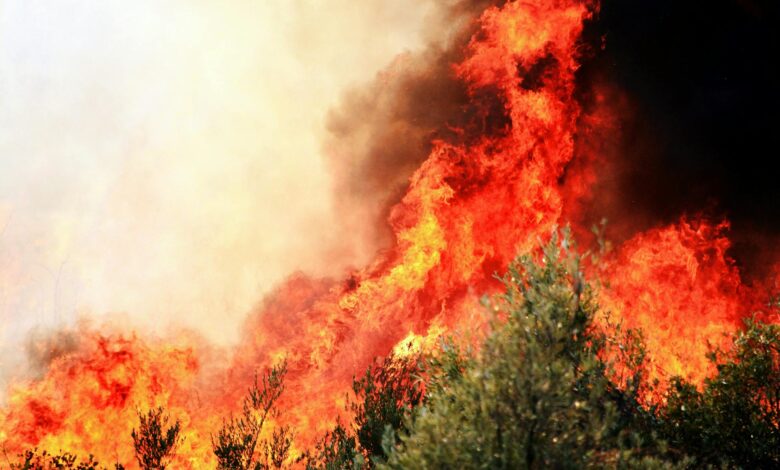
Red-orange flames tower above ancient vineyards as thousands of Northern California residents grab essentials and flee their homes. The Napa Valley Fire, which ignited early Tuesday morning near Calistoga, has already consumed over 8,000 acres and shows no signs of slowing despite round-the-clock firefighting efforts from multiple agencies.
Evacuation orders now cover more than 12,000 residents across Napa and Sonoma counties, with emergency shelters opening at local high schools and community centers. The fire’s rapid spread, fueled by dry conditions and sustained winds reaching 35 mph, has caught even veteran firefighters off guard.
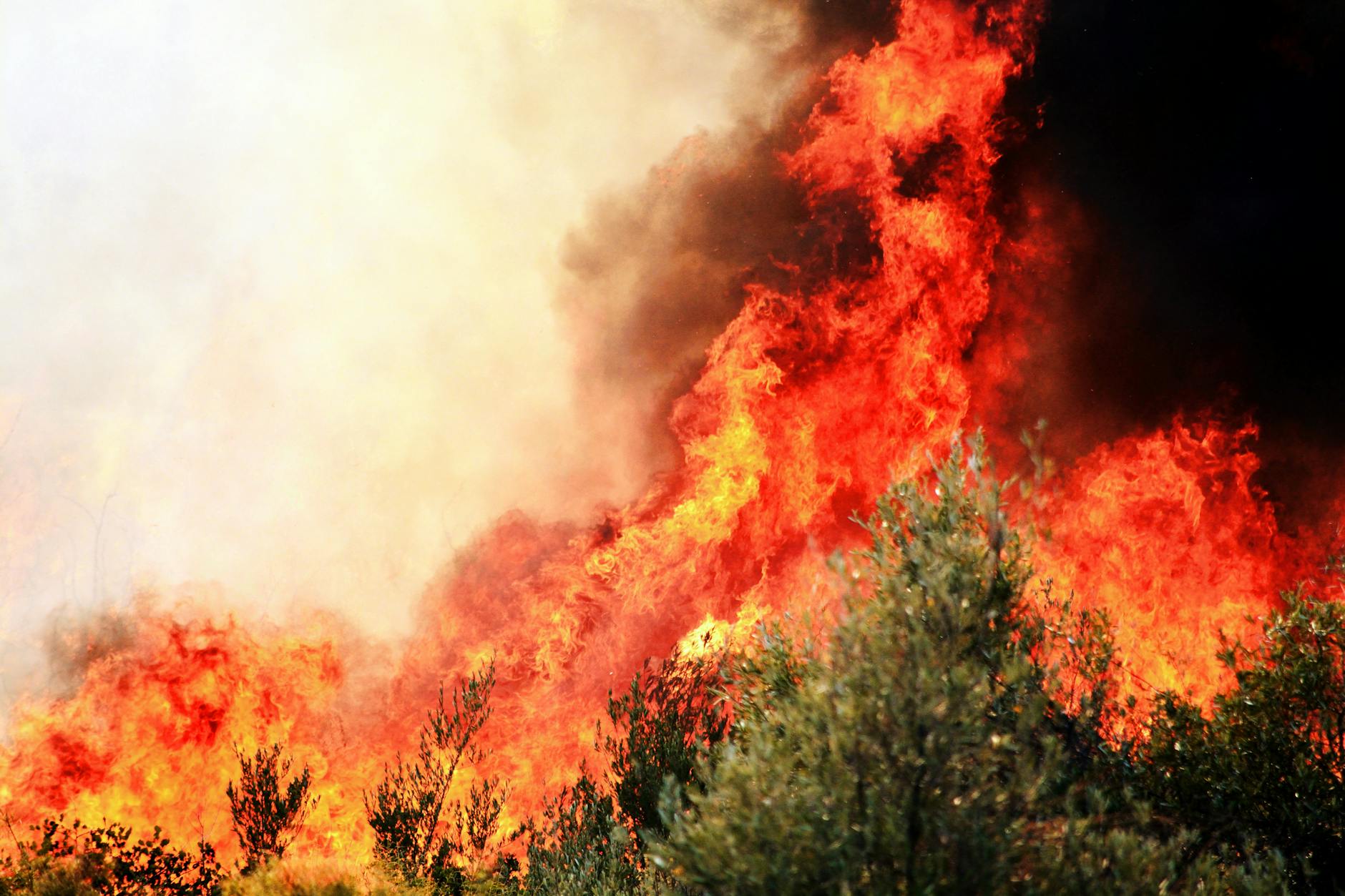
Historic Wine Estates Face Unprecedented Threat
Some of California’s most prestigious wineries stand directly in the fire’s path, including several family-owned estates that have operated for over a century. Castello di Amorosa, the 13th-century Tuscan castle replica, reported that crews are working to protect the structure’s medieval architecture and wine cellars containing thousands of bottles.
“We’ve seen fires before, but nothing quite like this,” said Maria Santos, spokesperson for the Napa Valley Vintners Association. “The wind patterns are creating a perfect storm scenario that’s making containment extremely difficult.”
Local fire departments have called in reinforcements from across the state, with over 2,500 firefighters now deployed to the region. Air tankers drop fire retardant in continuous loops while ground crews work to establish firebreaks around threatened communities.
The economic impact extends beyond individual wineries. Tourism officials estimate that harvest season typically brings over 100,000 visitors to the region each month, generating millions in revenue for local businesses. Many hotels and restaurants have closed temporarily, adding to the disruption that mirrors other recent infrastructure challenges affecting the West Coast.
Emergency Response Coordination Reaches Critical Phase
California Governor Gavin Newsom declared a state of emergency for both Napa and Sonoma counties, freeing up additional resources and federal assistance. The National Guard has deployed to assist with evacuations, while emergency management teams coordinate with the American Red Cross to establish temporary shelters.

Highway 29, the main artery through wine country, remains closed between Calistoga and St. Helena, forcing evacuees to take longer alternate routes. Traffic backups stretched for miles as residents loaded vehicles with belongings, pets, and irreplaceable family items.
“The community response has been incredible,” said Captain Jennifer Rodriguez of CAL FIRE. “Neighbors helping neighbors, local businesses opening their doors to evacuees. It’s what gets us through situations like this.”
Power companies have shut off electricity to over 15,000 customers as a precautionary measure, following protocols designed to prevent equipment from sparking additional fires. Pacific Gas & Electric crews stand ready to assess infrastructure damage once the immediate threat passes.
Emergency responders report no fatalities so far, though several firefighters have been treated for heat exhaustion and smoke inhalation. Air quality throughout the Bay Area has deteriorated significantly, with health officials advising residents to limit outdoor activities.
Climate Patterns Create Perfect Fire Conditions
Meteorologists point to an unusual combination of factors that created ideal fire conditions. The region received minimal rainfall over the past six months, leaving vegetation extremely dry despite typically green valleys. Offshore winds, known locally as Diablo winds, have sustained speeds that fan flames and carry embers across firebreaks.
“We’re seeing fire behavior that’s consistent with climate patterns we’ve been tracking,” explained Dr. Sarah Chen, a wildfire researcher at UC Berkeley. “Extended dry periods followed by high wind events create scenarios where fires can grow exponentially in just hours.”
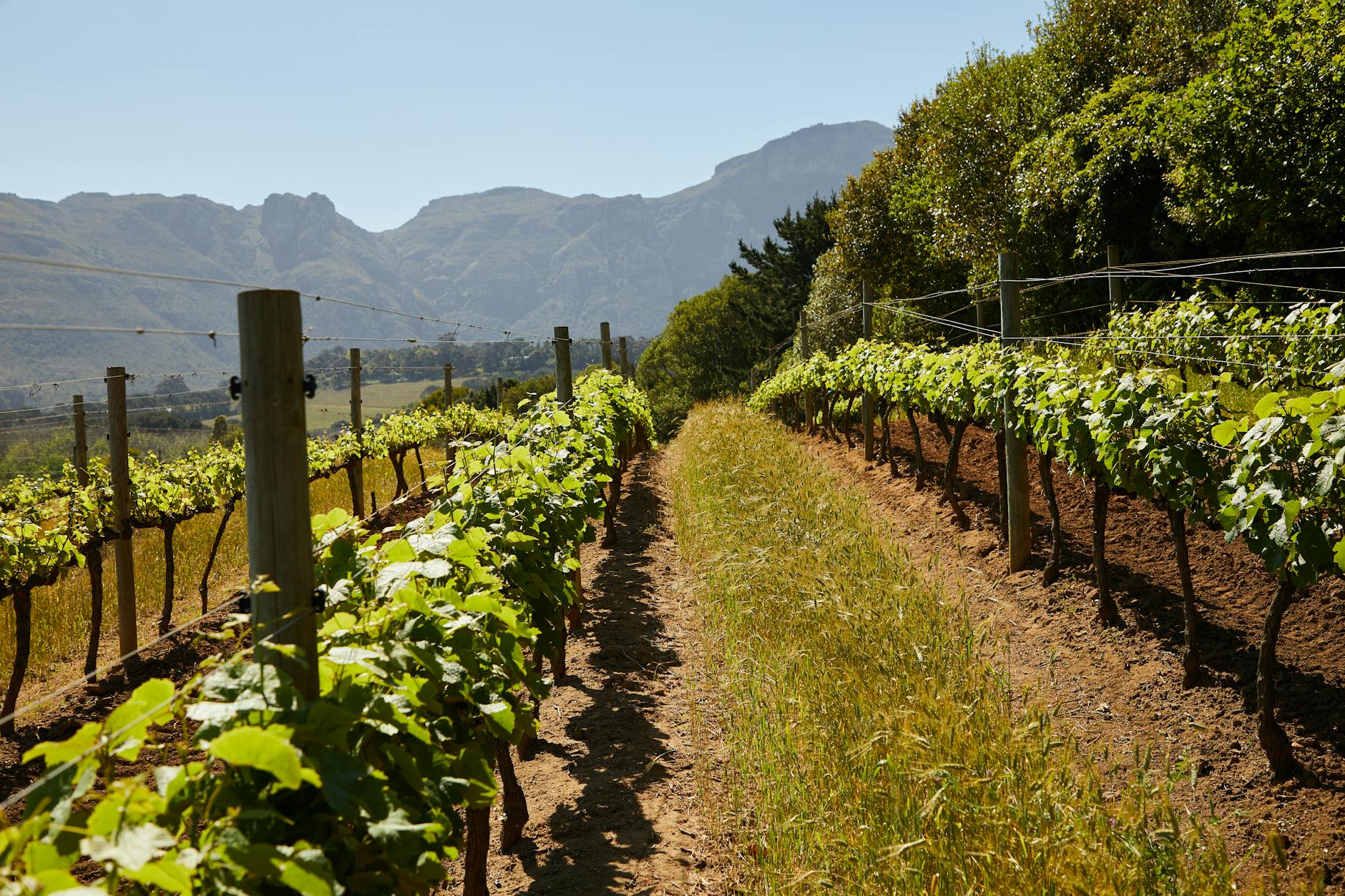
Temperature records show the region experienced its hottest September in over a decade, with daily highs consistently above seasonal averages. These conditions, combined with low humidity levels below 15 percent, created what fire officials describe as a “tinderbox environment.”
The fire has already destroyed at least 47 structures, though damage assessments remain preliminary as crews focus on active firefighting rather than surveys. Insurance companies have begun mobilizing claims adjusters to the region, anticipating significant property damage reports.
Weather forecasters predict wind speeds may decrease by Thursday, potentially giving firefighters their first real opportunity to establish effective containment lines. However, no significant precipitation appears likely for at least another week, meaning dry conditions will persist.
Looking ahead, this fire underscores the ongoing challenges facing California communities during wildfire season. Emergency management officials are already reviewing response protocols and evacuation procedures, while residents face the difficult reality that such events may become increasingly common. The resilience shown by wine country communities offers hope, but the path to recovery will require sustained effort from local, state, and federal partners working together to rebuild and strengthen defenses against future fires.
Frequently Asked Questions
How many people have been evacuated from the Northern California fire?
Over 12,000 residents across Napa and Sonoma counties have been ordered to evacuate as the fire continues to spread.
Which areas are affected by the wine country wildfire?
The fire primarily affects areas near Calistoga in Napa County, with evacuation orders extending into parts of Sonoma County.