
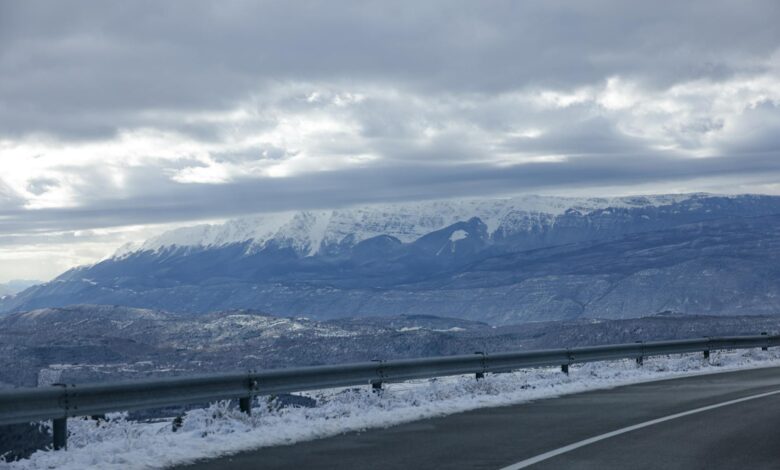
A massive winter storm has paralyzed major interstate highways across the Midwest, forcing the closure of hundreds of miles of critical transportation routes and stranding thousands of motorists. Wind gusts exceeding 50 mph combined with heavy snowfall have created whiteout conditions from Nebraska to Michigan, prompting state officials to issue emergency travel bans.
The National Weather Service reported snowfall rates of 2-3 inches per hour in the hardest-hit areas, with total accumulations expected to reach 18-24 inches by Thursday morning. Interstate 80 remains completely shut down from the Iowa-Nebraska border to the Quad Cities, while portions of Interstate 35 and Interstate 70 face similar closures. This marks the most significant early-season storm system to impact the region since 2019.
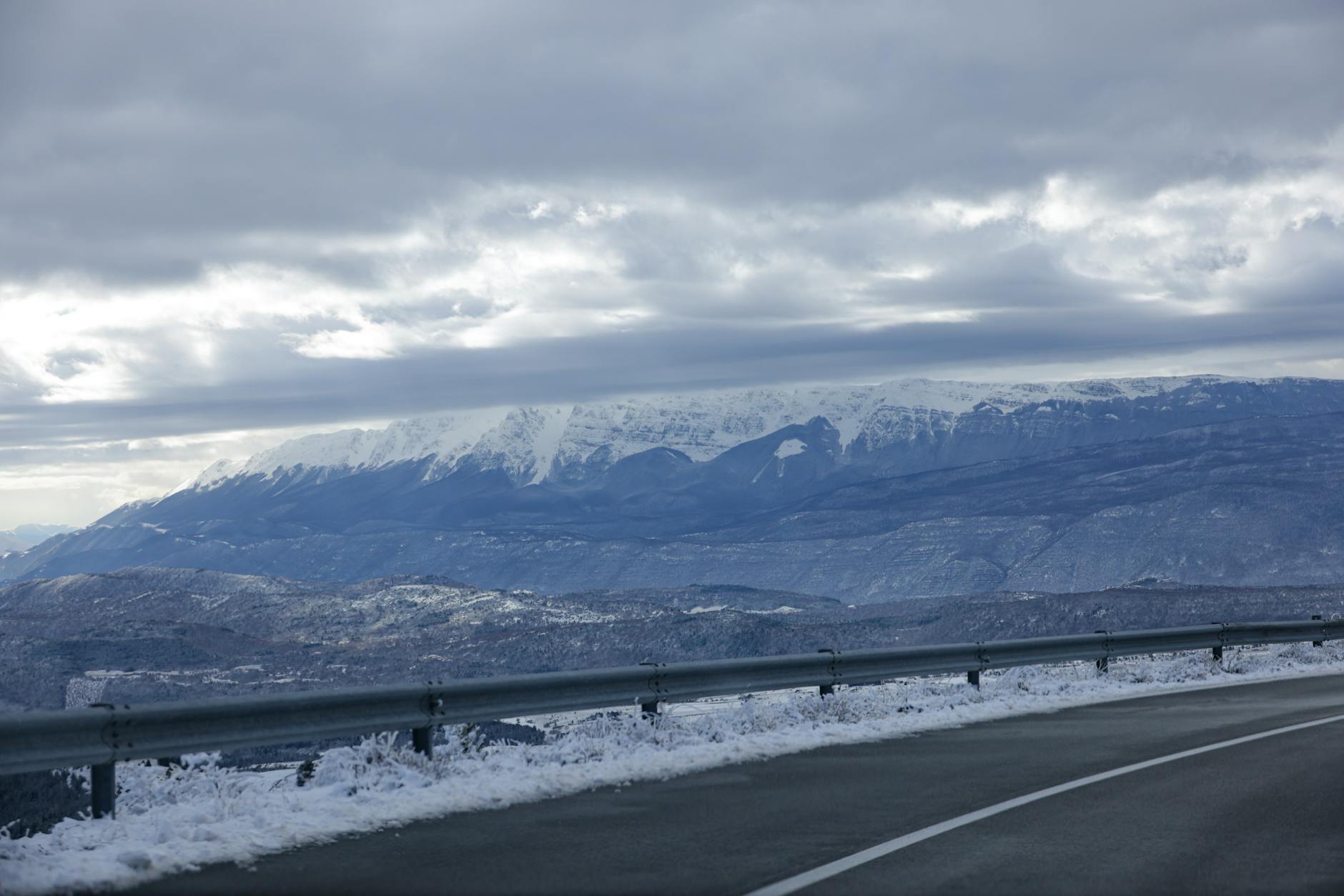
Highway Closures Create Transportation Crisis
State transportation departments across Iowa, Nebraska, Illinois, and Missouri have implemented unprecedented closure measures as visibility drops to near zero on major arteries. The Iowa Department of Transportation closed a 300-mile stretch of Interstate 80 Tuesday evening, citing “extremely dangerous conditions” that have already resulted in multiple pile-up accidents.
Nebraska officials reported similar challenges along Interstate 76 and Highway 30, where emergency crews have responded to over 200 weather-related incidents since Monday night. The Nebraska State Patrol activated its emergency response protocol, deploying additional troopers to assist stranded motorists and coordinate with towing services.
Commercial trucking operations face particularly severe disruptions. The American Trucking Associations estimates that the closures affect approximately 40,000 commercial vehicles daily along these routes, creating ripple effects for supply chains already strained by recent infrastructure challenges. Many major shipping companies have suspended operations in the affected region until conditions improve.
Local airports have also suspended flights, with Chicago O’Hare International Airport canceling over 400 departures Tuesday and Wednesday. Similar disruptions occurred at airports in Des Moines, Omaha, and Kansas City, leaving thousands of passengers stranded or seeking alternative transportation.
Emergency Response and Public Safety Measures
State and local emergency management agencies have activated winter storm protocols, opening warming centers and coordinating rescue operations for stranded motorists. Illinois Governor J.B. Pritzker declared a state of emergency Tuesday, mobilizing National Guard units to assist with snow removal and emergency transportation.
Emergency responders report dozens of vehicles abandoned along closed highway sections, with many drivers seeking shelter at truck stops, rest areas, and nearby hotels. The American Red Cross has opened emergency shelters in affected communities, providing food, warmth, and communication services for displaced travelers.

Power outages compound the emergency response challenges, with utility companies reporting over 150,000 customers without electricity across the region. High winds have toppled power lines and damaged electrical infrastructure, particularly in rural areas where restoration efforts face additional complications from impassable roads.
Search and rescue teams have conducted multiple operations to reach motorists trapped in their vehicles. The Iowa State Patrol reported successfully evacuating a family of four who had been stranded for over 12 hours near Interstate 35, highlighting the life-threatening nature of the current conditions.
Medical facilities have implemented emergency staffing protocols, with many healthcare workers unable to reach hospitals and clinics. Several rural hospitals have requested emergency transportation assistance for critical patients, while urban medical centers prepare for potential surge capacity needs.
Economic Impact and Supply Chain Disruptions
The widespread highway closures create immediate economic consequences across multiple sectors. Agriculture communities face particular challenges, as livestock operations require continuous access for feed deliveries and milk transportation. Several dairy cooperatives have reported significant disruptions to their collection routes.
Retail businesses prepare for potential shortages as delivery trucks remain stranded or rerouted through longer alternative routes. Major retailers including Walmart and Target have adjusted their distribution schedules, prioritizing essential goods and medical supplies for areas expected to reopen first.
The energy sector also faces complications, with natural gas pipeline monitoring requiring increased attention during extreme weather events. While no major incidents have occurred, energy companies maintain heightened surveillance protocols similar to those implemented during recent infrastructure emergencies in other regions.
Manufacturing operations throughout the Midwest report production delays as employees cannot safely travel to facilities. Several automotive plants have announced temporary shutdowns, citing both worker safety concerns and supply delivery interruptions.
Small businesses face particular hardship, with many restaurants, shops, and service providers closing indefinitely until roads reopen. The economic ripple effects extend beyond the immediate storm zone, affecting businesses that depend on Midwest transportation networks for their operations.
Weather Forecast and Recovery Timeline
Meteorologists expect the storm system to continue producing heavy snow through Thursday morning before gradually moving eastward. The National Weather Service maintains blizzard warnings across portions of Iowa, Illinois, and Missouri, with wind chill values dropping to -20°F in some areas.
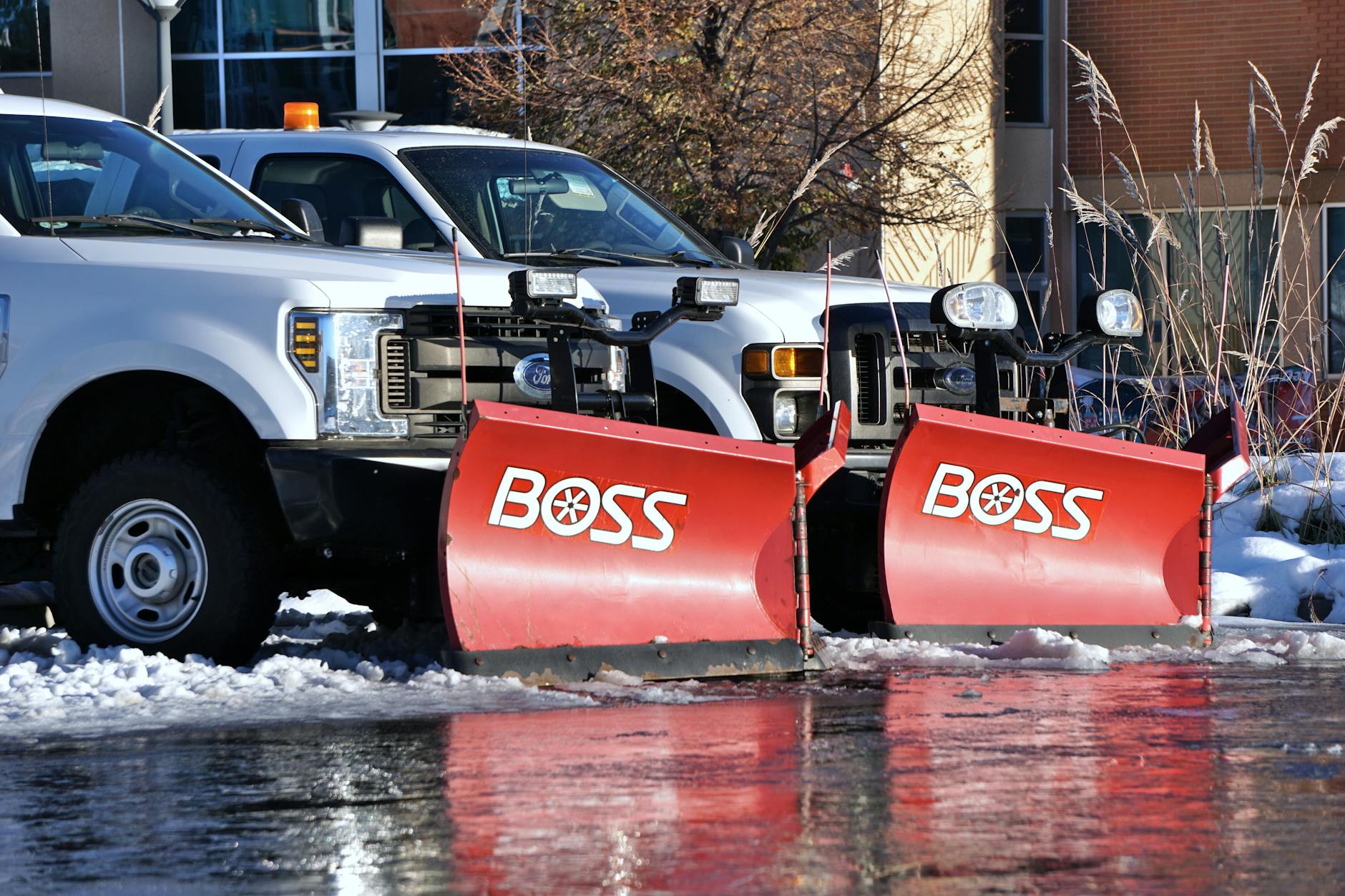
Recovery operations will begin as soon as wind speeds decrease and visibility improves. State transportation departments have positioned snow removal equipment strategically, though officials caution that full highway reopening may require 48-72 hours after the storm passes. Priority clearing focuses on emergency access routes and critical infrastructure connections.
Weather patterns suggest this early-season storm represents the beginning of what forecasters predict will be a particularly active winter across the Great Plains and Midwest. The La Niña weather phenomenon typically produces increased snowfall and more frequent storm systems in these regions, prompting officials to review emergency preparedness protocols for the coming months.
Transportation officials advise travelers to avoid all non-essential travel until highway conditions improve significantly. The combination of heavy snow, high winds, and extremely cold temperatures creates conditions that remain dangerous even for experienced winter drivers and emergency responders.
The current storm’s intensity and geographic scope demonstrate the ongoing challenges that extreme weather events pose to critical infrastructure systems. As climate patterns continue evolving, transportation agencies and emergency management officials face increasing pressure to develop more resilient response strategies for future winter emergencies.
Frequently Asked Questions
Which highways are closed due to the Midwest snowstorm?
Interstate 80, Interstate 35, and Interstate 70 face major closures, with I-80 shut down for 300 miles from Iowa-Nebraska border to Quad Cities.
How long will the highway closures last?
Officials estimate full reopening may require 48-72 hours after the storm passes, with priority given to emergency access routes.