
Major Retailers Abandon Self-Checkout Systems Citing Customer Preference Shifts

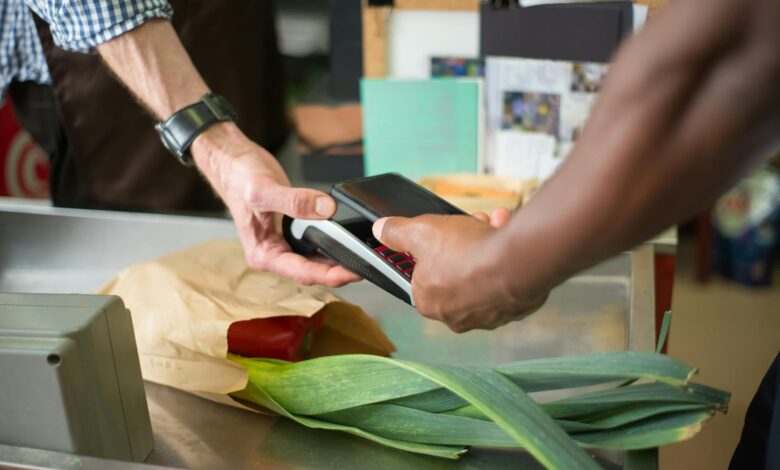
The self-checkout revolution that promised to streamline shopping and reduce labor costs is facing an unexpected reversal. Major retailers across the United States are pulling back from automated checkout systems, with some removing them entirely from stores after discovering that customers overwhelmingly prefer human interaction at the point of sale.
What began as a cost-cutting measure and efficiency booster has evolved into a customer service liability. Walmart, Target, Costco, and Dollar General have all announced significant reductions in self-checkout availability over the past year, citing theft concerns, customer frustration, and surprisingly, a growing demand for traditional cashier-assisted transactions.
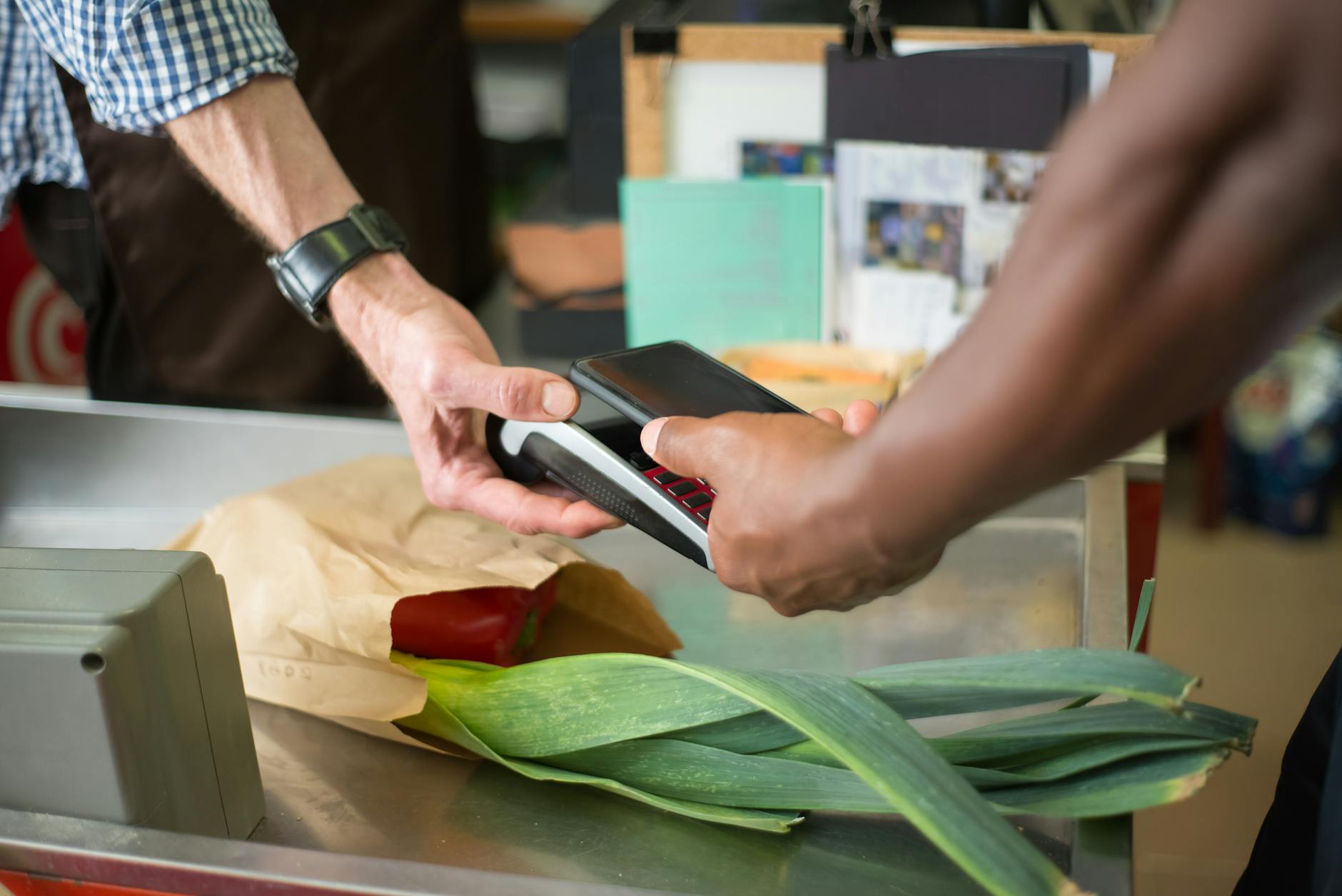
The Great Self-Checkout Retreat
Walmart, the world’s largest retailer, made headlines in early 2024 when it began removing self-checkout stations from several locations across New Mexico, citing an effort to “improve the in-store shopping experience.” The company has since expanded this rollback to stores in multiple states, replacing automated kiosks with traditional checkout lanes staffed by human cashiers.
Target followed suit, announcing limitations on self-checkout usage in many locations. The retail giant now restricts self-checkout to customers purchasing ten items or fewer, effectively pushing larger shopping trips back to cashier-assisted lanes. This represents a dramatic shift from the company’s previous strategy of encouraging self-service transactions.
Dollar General, which had aggressively pushed self-checkout adoption across its 19,000+ store network, has begun converting many locations back to cashier-only operations. The discount chain found that the technology, rather than improving efficiency, was creating bottlenecks and customer dissatisfaction in their typically high-volume, low-margin environment.
Costco has taken a different approach, maintaining self-checkout but significantly increasing staffing around these areas. The warehouse club now assigns multiple employees to oversee self-checkout zones, essentially negating many of the labor cost savings the technology was supposed to provide.
Customer Pushback Reaches Tipping Point
Consumer surveys reveal that the initial novelty of self-checkout has worn off, replaced by frustration with technical glitches, security restrictions, and the feeling of performing unpaid labor. A recent study by the National Retail Federation found that 67% of shoppers prefer human cashiers when given the option, up from 43% just three years ago.
The complaints are consistent across demographics: weight sensors that malfunction, barcode scanners that struggle with damaged packages, age verification delays for basic items, and the awkward dance of bagging groceries while juggling payment methods. Many customers report feeling rushed and stressed when using self-checkout, emotions retailers definitely want to avoid associating with their brands.
“I’m doing their job for them, and somehow I’m the one getting frustrated,” says Maria Rodriguez, a regular Target shopper in Phoenix. “Half the time I need help anyway, so what’s the point? I’d rather just go to a real person from the start.”
The generational divide isn’t as stark as retailers initially predicted. While younger consumers adopted self-checkout more readily, they’re also the most vocal about its limitations, particularly when purchasing alcohol, dealing with coupons, or handling produce that requires manual price entry.
Theft and Security Concerns Drive Policy Changes
Shrinkage – retail industry speak for theft – has emerged as a major factor in the self-checkout retreat. Multiple studies indicate that theft rates are significantly higher at self-checkout stations compared to traditional lanes, with some estimates suggesting loss rates up to ten times higher.
The British Retail Consortium found that retailers using extensive self-checkout systems experienced inventory shrinkage rates of 3.2%, compared to 1.8% for stores relying primarily on staffed checkouts. These losses, multiplied across thousands of locations, represent hundreds of millions in lost revenue annually.
Walmart’s experience illustrates the scope of the problem. Internal loss prevention data showed that stores with high self-checkout usage consistently reported greater inventory discrepancies, leading to the chain’s decision to reduce automated options in favor of what they term “human-powered checkout experiences.”
The security measures implemented to combat theft – weight sensors, camera monitoring, frequent ID checks – have paradoxically made the self-checkout experience more cumbersome, not less. Customers report feeling surveilled and suspected, creating negative emotional associations with the shopping experience.
Some retailers have attempted middle-ground solutions, such as limiting self-checkout to certain hours or requiring receipts for exit. However, these measures often create more complexity without solving the underlying issues of theft prevention and customer satisfaction.
Economic Reality Behind the Reversal
The financial mathematics of self-checkout aren’t as straightforward as initially projected. While the technology reduces direct labor costs, it introduces expenses that weren’t fully anticipated during the rollout phase. Maintenance, technical support, loss prevention, and customer assistance staffing often offset much of the projected savings.
Moreover, the impact on customer throughput has been mixed. While self-checkout can handle simple transactions quickly, any complication – from coupon scanning to produce weighing – can create delays that ripple through the entire checkout area. During peak shopping periods, these delays often result in longer wait times than traditional checkout would produce.
Amazon’s approach to retail automation offers an interesting contrast, with their Amazon Go stores eliminating checkout entirely through advanced sensor technology. However, this “Just Walk Out” system requires massive infrastructure investment and has proven difficult to scale beyond urban locations with tech-savvy demographics.
The labor market has also shifted since many retailers first implemented self-checkout systems. With unemployment at historic lows and wages rising in the retail sector, the pure cost-cutting motivation for automation has diminished. Some retailers now view cashier positions as an opportunity to provide better customer service and build brand loyalty.

Looking Forward: The Future of Retail Checkout
The self-checkout retreat doesn’t signal the end of retail automation, but rather a recalibration of expectations and implementation strategies. Retailers are discovering that successful automation requires more sophisticated technology and more thoughtful integration than the early wave of self-checkout systems provided.
Several chains are experimenting with hybrid models that combine the convenience of self-service with the reliability of human oversight. These approaches include mobile checkout apps, scan-and-go technology, and AI-powered assistance that can identify and resolve common checkout issues automatically.
The broader lesson extends beyond checkout technology to retail automation generally. As companies across industries navigate technological transformation, the retail sector’s experience with self-checkout serves as a reminder that customer acceptance and operational effectiveness must evolve together.
As 2024 progresses, expect to see more retailers pulling back from aggressive self-checkout deployment in favor of strategies that prioritize customer experience alongside operational efficiency. The pendulum is swinging back toward human interaction, at least until the next generation of automation technology proves it can deliver on the promises the current generation couldn’t keep.
Frequently Asked Questions
Why are retailers removing self-checkout systems?
Retailers cite customer frustration, higher theft rates, and overwhelming preference for human cashiers over automated checkout experiences.
Which major retailers have reduced self-checkout options?
Walmart, Target, Dollar General, and Costco have all significantly scaled back or modified their self-checkout implementations in 2024.