

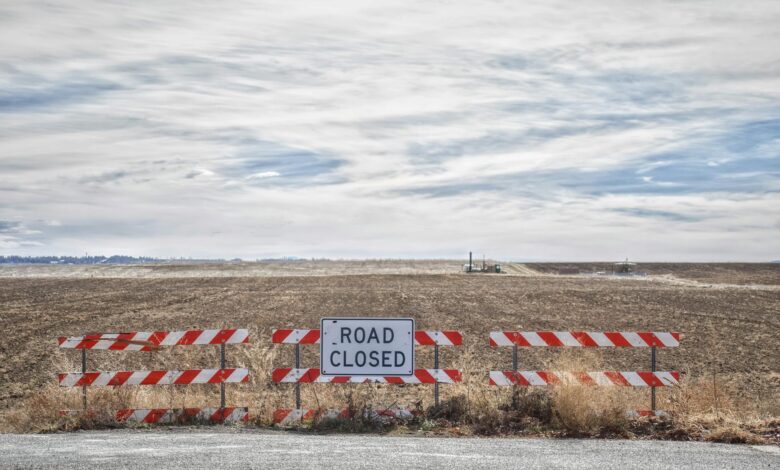
A massive pipeline explosion rocked East Texas early Tuesday morning, forcing the complete closure of Interstate 20 and triggering evacuations across three counties. The blast, which occurred at approximately 3:47 AM local time, sent flames hundreds of feet into the air and created a debris field spanning over two miles along the major transportation corridor.
The explosion originated from a 36-inch natural gas transmission line owned by Kinder Morgan, one of the largest pipeline operators in North America. Initial reports suggest a possible equipment failure at a compression station may have triggered the catastrophic rupture, though investigators have not yet confirmed the exact cause. The blast was so powerful that seismic monitoring stations recorded tremors equivalent to a 2.1 magnitude earthquake.
Emergency responders arrived within minutes to find a scene of widespread destruction. The pipeline runs parallel to Interstate 20 between Marshall and Longview, carrying natural gas from the Haynesville Shale formation to distribution centers across the Southwest. When the line ruptured, it created an immediate danger zone extending nearly a mile in all directions from the blast site.
Immediate Response and Evacuations
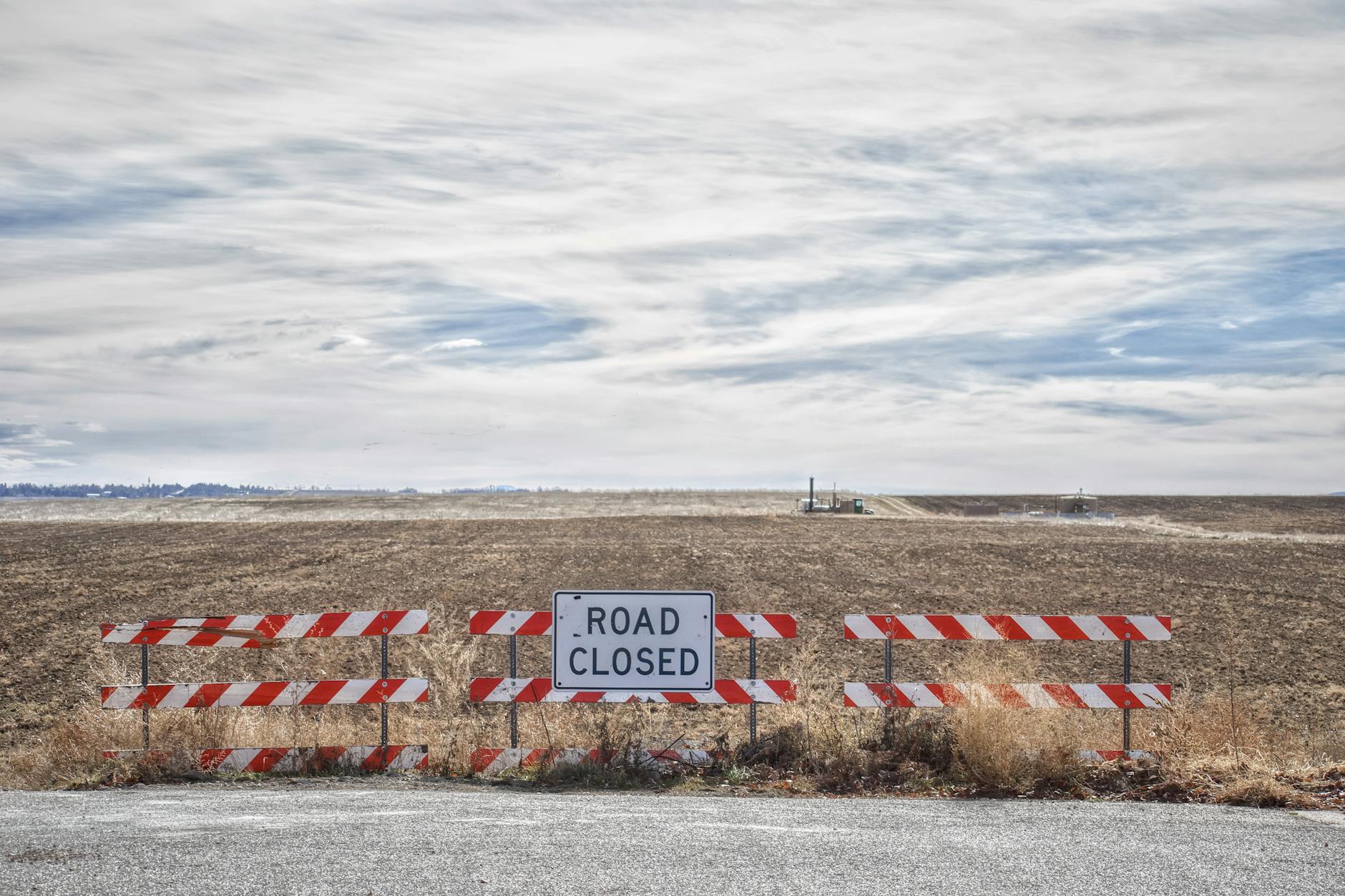
Texas Department of Public Safety officials immediately shut down a 15-mile stretch of Interstate 20 in both directions, stranding thousands of morning commuters and disrupting freight traffic along one of the state’s busiest east-west corridors. The closure extends from the Louisiana border to just west of Longview, forcing drivers to use alternate routes that add up to 50 miles to their journey.
Gregg, Harrison, and Marshall counties implemented mandatory evacuation orders for residents within a two-mile radius of the blast site. Approximately 1,200 people were relocated to emergency shelters set up at local schools and community centers. Many residents reported being awakened by what they initially thought was an explosion at a nearby chemical plant.
“The whole house shook like we were in an earthquake,” said Maria Rodriguez, whose family was evacuated from their home just outside Marshall. “Then we saw this enormous orange glow in the distance and knew something terrible had happened.”
The Railroad Commission of Texas, which oversees pipeline safety in the state, deployed specialized teams to assess the damage and coordinate the emergency response. Company crews worked throughout the day to isolate damaged sections and redirect gas flow through alternate pipeline routes to minimize supply disruptions.
Environmental and Safety Concerns
Environmental officials are closely monitoring air quality in the affected region, though initial readings show no immediate health threats beyond the evacuation zone. The Texas Commission on Environmental Quality set up mobile monitoring stations to track potential emissions and ensure safe air quality levels for surrounding communities.
The explosion’s intensity created unique challenges for firefighters, who had to allow the gas fire to burn in a controlled manner rather than attempting immediate suppression. Extinguishing such fires too quickly can create dangerous gas accumulation that could trigger secondary explosions. Specialized foam and water cannon systems were positioned around the perimeter to prevent the fire from spreading to nearby vegetation and structures.
Wildlife officials are also assessing potential impacts on the nearby Caddo Lake ecosystem, a protected wetland area located approximately five miles from the blast site. While no immediate environmental damage has been reported, teams are monitoring water quality and wildlife populations as a precautionary measure.
The Federal Pipeline and Hazardous Materials Safety Administration has launched a comprehensive investigation into the incident. Similar pipeline failures in other states have led to significant infrastructure upgrades and enhanced safety protocols, particularly for aging transmission systems carrying high-pressure natural gas.

Economic and Transportation Impact
The Interstate 20 closure is creating significant economic disruption across the region. The highway serves as a critical freight corridor connecting Dallas-Fort Worth with Louisiana ports, carrying an estimated $2.8 billion in goods annually through the affected section. Trucking companies are scrambling to reroute shipments through alternate routes, adding both time and fuel costs to deliveries.
Local businesses near the blast site face potential losses as evacuated customers cannot access shopping areas and restaurants. The Marshall Chamber of Commerce estimates that each day of closure could result in millions of dollars in lost economic activity for the region.
Airlines have reported minimal impact on flight operations, though some cargo flights have experienced delays due to ground transportation disruptions. Unlike the recent airport strike that grounded flights across the United Kingdom, air travel continues normally through regional airports in Tyler and Shreveport.
Energy markets initially showed volatility following news of the explosion, with natural gas futures rising in early trading. However, prices stabilized once Kinder Morgan confirmed that backup systems were successfully rerouting gas supplies through alternate pipeline networks. The company’s extensive infrastructure allows for such emergency redirections, though at reduced capacity.
Investigation and Recovery Timeline
Federal investigators are examining multiple potential causes for the pipeline failure, including equipment malfunction, corrosion, and third-party damage. The 36-inch line was installed in 1987 and underwent its most recent comprehensive inspection in 2022, according to company records. Preliminary assessments suggest the explosion originated near a valve station that regulates pressure along the transmission system.
Kinder Morgan has committed to full transparency throughout the investigation process and is working closely with federal regulators to determine the exact sequence of events. The company’s emergency response procedures appear to have functioned effectively, with automated systems quickly shutting off gas flow to minimize the scope of the incident.

Recovery efforts are expected to continue for several weeks, though transportation officials hope to partially reopen Interstate 20 within 72 hours if safety conditions permit. The timeline depends largely on clearing debris from the roadway and ensuring that damaged pipeline sections pose no ongoing threat to traffic.
The incident highlights ongoing concerns about aging energy infrastructure across Texas, where thousands of miles of pipelines transport oil and natural gas through populated areas. State regulators are likely to review current safety protocols and inspection requirements in response to this latest incident.
As cleanup crews work to restore normal operations, the full impact of this explosion on regional energy supplies and transportation networks will become clearer. The swift emergency response prevented any reported casualties, but the economic and logistical challenges will persist until both the pipeline and interstate highway are fully restored to service.
Frequently Asked Questions
How long will Interstate 20 remain closed after the pipeline explosion?
Officials expect partial reopening within 72 hours, with full restoration dependent on safety assessments and debris clearance.
Were there any casualties from the Texas pipeline explosion?
No casualties have been reported, though 1,200 residents were evacuated from the two-mile safety zone around the blast site.