

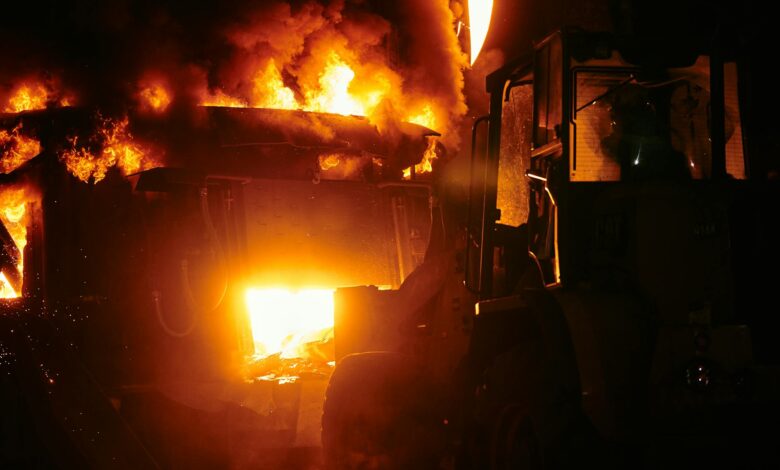
A massive explosion rocked a major oil pipeline in rural Oklahoma early Thursday morning, sending flames hundreds of feet into the air and forcing authorities to evacuate thousands of residents within a five-mile radius. The blast, which occurred along the Cushing-to-Houston pipeline system, has disrupted oil flow across the region and raised serious questions about aging energy infrastructure safety.
Emergency responders received the first reports of the explosion at approximately 3:47 AM local time near the town of Seminole. Witnesses described a thunderous boom that shook homes up to ten miles away, followed by an orange glow that illuminated the pre-dawn sky. Local resident Maria Santos, who lives three miles from the blast site, told reporters the explosion “felt like an earthquake and sounded like a freight train crashing.”
The pipeline, operated by Enbridge Energy Partners, carries approximately 670,000 barrels of crude oil daily from the Cushing storage hub to refineries along the Texas Gulf Coast. Initial reports suggest a rupture in the 36-inch diameter pipe caused the catastrophic failure, though investigators have not yet determined the root cause.

Immediate Response and Evacuation Efforts
Within hours of the explosion, Oklahoma Emergency Management activated its crisis response protocol, coordinating with local fire departments, hazmat teams, and the National Guard. More than 4,200 residents in the evacuation zone were relocated to temporary shelters established at Seminole High School and the county fairgrounds.
Oklahoma Governor Kevin Stitt declared a state of emergency for Seminole County, mobilizing additional resources and requesting federal assistance. “Our top priority is ensuring the safety of every Oklahoman affected by this incident,” Stitt said during an afternoon press conference. “We’re working around the clock with all available resources to contain this situation and support displaced families.”
The Red Cross established emergency shelters and began providing meals, temporary housing, and basic necessities for evacuees. Many families were forced to leave their homes with only the clothes on their backs, as authorities gave residents less than an hour to evacuate once the scope of the danger became clear.
Fire departments from six surrounding counties responded to battle the blaze, which continued burning for more than twelve hours before crews could bring it under control. The extreme heat and toxic fumes made initial firefighting efforts extremely challenging, forcing responders to work from significant distances using specialized foam suppressants.
Environmental and Economic Impact
Environmental officials estimate that between 15,000 and 20,000 barrels of crude oil were released before emergency valves could shut off flow to the damaged section. Much of the spilled oil burned in the initial fire, but contamination of nearby soil and groundwater remains a serious concern.
The Oklahoma Department of Environmental Quality has deployed multiple teams to assess environmental damage and begin containment efforts. Air quality monitoring stations detected elevated levels of volatile organic compounds and particulate matter within the evacuation zone, prompting health officials to recommend that residents with respiratory conditions remain away from the area until further notice.
The pipeline explosion has also sent ripples through energy markets, with crude oil futures jumping nearly 3% in early trading as investors worried about supply disruptions. The affected pipeline segment typically moves oil from Cushing, known as the “pipeline crossroads of the world,” to major Gulf Coast refineries.
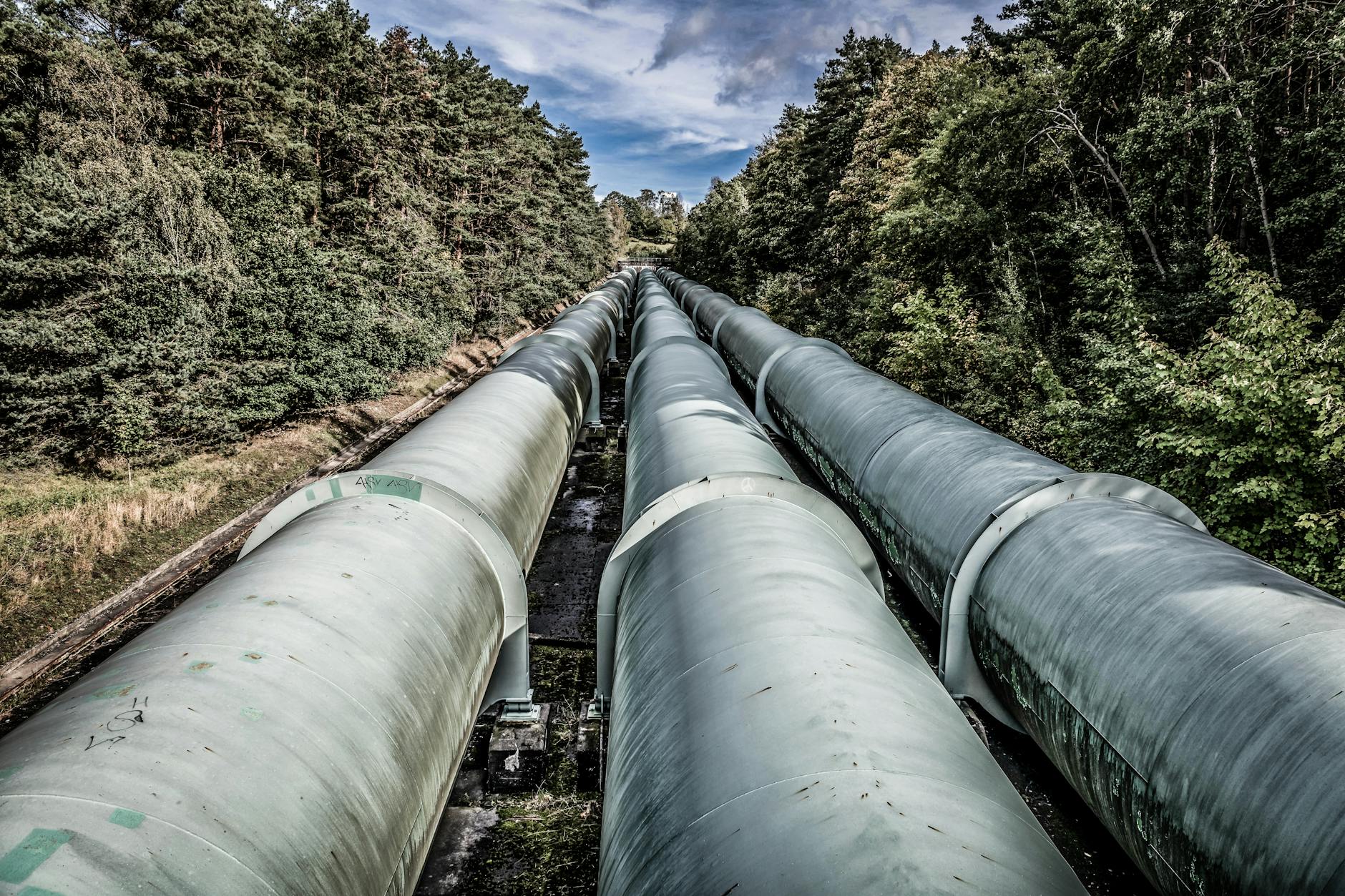
Industry analysts expect the shutdown to create temporary bottlenecks in oil distribution across the central United States. Several refineries have reportedly begun drawing from strategic reserves to maintain operations while repairs are underway.
Local farmers and ranchers face potential long-term consequences from soil and water contamination. The explosion occurred in an area where cattle ranching and wheat farming are primary economic activities. State agricultural officials are conducting emergency assessments to determine whether livestock or crops have been affected by the contamination.
Investigation and Infrastructure Concerns
Federal investigators from the Pipeline and Hazardous Materials Safety Administration (PHMSA) arrived on scene Thursday afternoon to begin determining the cause of the explosion. The agency has launched a comprehensive investigation that will examine maintenance records, inspection reports, and the pipeline’s operational history.
The damaged section of pipeline was installed in 1978 and underwent its most recent major inspection in 2019, according to regulatory filings. However, pipeline safety advocates have long raised concerns about the aging energy infrastructure crisscrossing the United States.
“This incident highlights the urgent need for more rigorous oversight and modernization of our nation’s pipeline network,” said Robert Martinez, director of the Pipeline Safety Coalition. “Thousands of miles of aging pipelines carry hazardous materials through populated areas every day, and today’s explosion demonstrates the very real risks to public safety.”
Enbridge Energy Partners has faced previous safety violations and incidents along its pipeline network. The company paid a $1.7 million fine in 2020 following a smaller spill in Minnesota and has been under enhanced federal oversight since a major oil spill in Michigan in 2010.
Similar pipeline incidents have occurred across the country in recent years, echoing concerns raised after major evacuations in other states due to infrastructure failures. The frequency of such incidents has prompted calls for stricter federal regulations and increased inspection requirements.

Recovery and Long-term Implications
Authorities expect the evacuation order to remain in effect for at least 48-72 hours while crews complete firefighting operations and conduct preliminary environmental assessments. Enbridge has committed to providing temporary housing assistance and compensation for displaced residents, though the full scope of damages won’t be clear for weeks.
The company estimates that repairs to the damaged pipeline section could take several weeks, potentially extending supply disruptions across the region. Alternative pipeline routes may help minimize the impact, but industry experts warn that temporary bottlenecks are likely.
This explosion represents one of the most significant pipeline incidents in Oklahoma since a natural gas pipeline explosion in 2009 that killed one person and injured seven others. The state, which serves as a crucial hub for America’s energy transportation network, has experienced multiple pipeline incidents over the past decade.
Federal regulators are likely to use this incident as a case study for strengthening pipeline safety requirements. The investigation’s findings could influence pending legislation aimed at modernizing pipeline oversight and increasing penalties for safety violations.
As recovery efforts continue and investigators work to determine what caused this catastrophic failure, the incident serves as a stark reminder of the risks associated with transporting hazardous materials through populated areas and the critical importance of maintaining aging energy infrastructure.
Frequently Asked Questions
How many people were evacuated after the Oklahoma pipeline explosion?
More than 4,200 residents within a five-mile radius were evacuated and relocated to emergency shelters.
What caused the oil pipeline to explode in Oklahoma?
The exact cause is under federal investigation, though initial reports suggest a rupture in the 36-inch diameter pipeline.