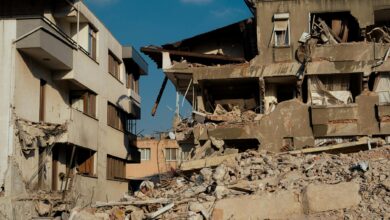
Major Earthquake Strikes Central Italy as Rescue Teams Deploy Across Affected Regions

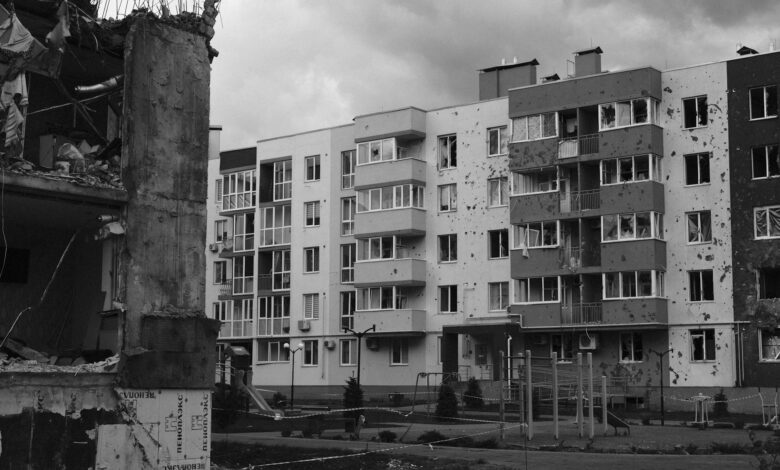
A powerful earthquake shook central Italy early Tuesday morning, sending residents fleeing into the streets and prompting immediate deployment of emergency response teams across multiple provinces. The tremor, measuring a preliminary magnitude of 6.1, struck at 3:42 AM local time with its epicenter located approximately 15 kilometers northeast of L’Aquila, a region still bearing scars from the devastating 2009 earthquake.
Emergency services report widespread damage to buildings and infrastructure, though casualty figures remain preliminary as rescue operations continue throughout the affected areas. The Italian Civil Protection Department has activated its national emergency protocol, coordinating efforts between local authorities, fire brigades, and specialized rescue units.
Immediate Response and Emergency Deployment
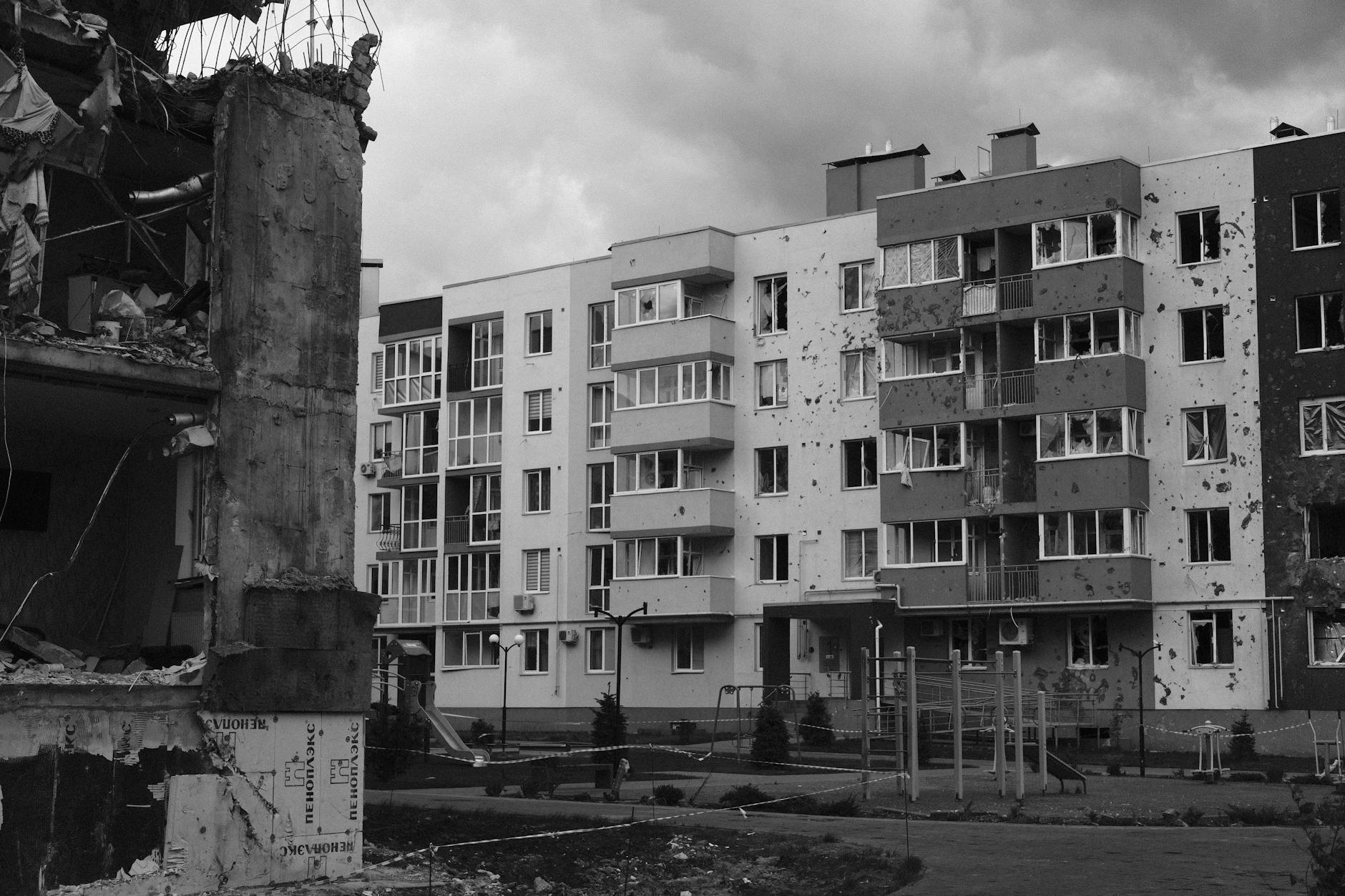
Within hours of the earthquake, over 200 rescue personnel mobilized across the affected provinces of Abruzzo, Lazio, and Marche. Fire brigade spokesman Marco Torretti confirmed that specialized urban search and rescue teams deployed from Rome, Naples, and Florence to assist local emergency services.
“Our priority is reaching all affected communities and ensuring no one remains trapped,” Torretti stated during a morning briefing. “We have helicopter units conducting aerial surveys to assess damage in remote mountain villages where road access may be compromised.”
The earthquake triggered landslides along several mountain roads, temporarily cutting off access to at least six small communities in the Apennine region. Emergency crews work to clear debris and establish alternative routes for rescue vehicles and supply convoys.
Local hospitals in L’Aquila, Rieti, and Teramo report treating dozens of injuries, primarily cuts from broken glass and fractures from falls during the evacuation. Medical personnel praise residents’ quick response, crediting earthquake preparedness training implemented after the 2009 disaster.
Structural Damage Assessment Underway
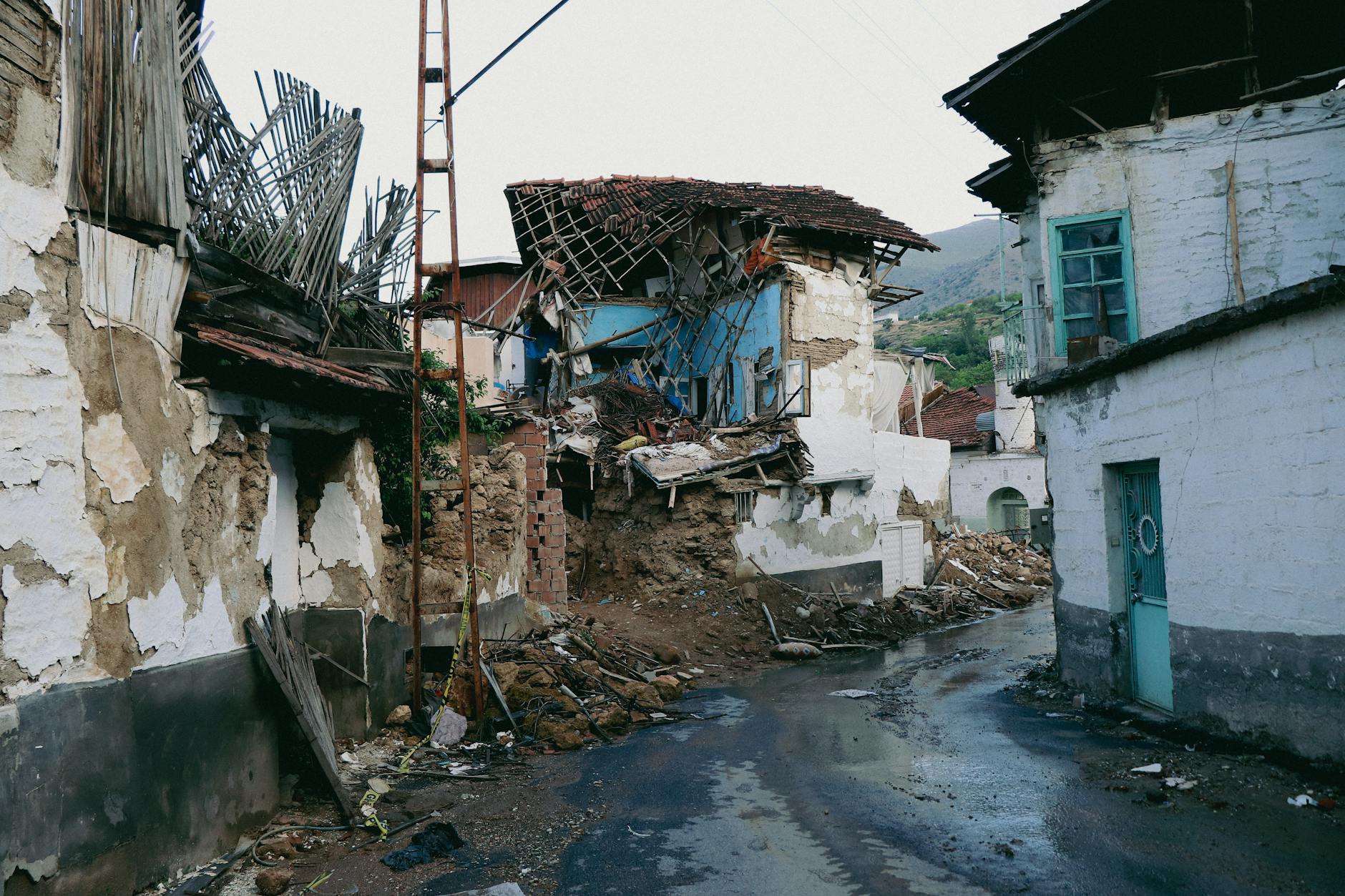
Engineering teams conducting preliminary damage assessments report significant structural impacts across historical town centers. In Amatrice, a town devastated by the 2016 earthquake sequence, several recently reconstructed buildings show new cracks and damage.
“We’re seeing a pattern of damage that suggests the earthquake’s energy focused on areas with specific geological conditions,” explains Dr. Giulio Selvaggi from Italy’s National Institute of Geophysics and Volcanology. “The sedimentary basins amplified seismic waves, causing more severe shaking in populated valleys.”

Preliminary reports indicate damage to churches, schools, and residential buildings across at least 15 municipalities. The medieval cathedral in Norcia shows new structural stress, while several schools in the region remain closed pending safety inspections. Regional authorities estimate that hundreds of residents may require temporary housing assistance.
Similar to recent emergency situations like the chemical plant fire in Houston, authorities emphasize the importance of systematic evacuation procedures and coordinated emergency response protocols.
Regional Impact and Transportation Disruptions
The earthquake’s impact extends beyond immediate structural damage, affecting transportation networks and essential services across central Italy. The A24 highway between Rome and L’Aquila closed sections for safety inspections, causing significant traffic diversions during morning rush hours.
Railway services suspended operations on the Rome-Pescara line while engineers inspect tracks, bridges, and tunnels for earthquake damage. Trenitalia estimates normal service resumption within 24-48 hours pending safety clearances.
Power outages affected approximately 15,000 households immediately following the earthquake, though utility companies restored electricity to most areas within six hours. Water services remain disrupted in several mountain communities where pipeline damage requires extensive repairs.
Regional airports in Rome and Naples report normal operations, though some flight delays occurred as air traffic controllers implemented temporary safety protocols during initial aftershock monitoring.
Historical Context and Preparedness Measures
This earthquake strikes a region intimately familiar with seismic activity, where residents and authorities have developed extensive preparedness protocols following previous disasters. The 2009 L’Aquila earthquake killed 309 people and displaced thousands, while the 2016 sequence that devastated Amatrice and surrounding areas claimed 299 lives.
Those experiences shaped comprehensive early warning systems, building codes, and evacuation procedures now proving crucial in the current emergency response. Local mayors report that most residents evacuated buildings within minutes, following practiced emergency protocols.
“The difference in response compared to previous earthquakes is remarkable,” notes earthquake preparedness expert Dr. Maria Rossi from Rome’s Sapienza University. “Communities know exactly what to do, and rescue coordination operates much more efficiently.”
Seismologists monitoring the situation report several significant aftershocks, including magnitudes of 4.2 and 3.8, typical patterns following major earthquakes in the region. The Italian seismic network continues 24-hour monitoring to track aftershock sequences and provide early warnings for any larger follow-up events.
As rescue operations continue and damage assessments progress, authorities focus on ensuring affected communities receive necessary support while preparing for potential additional seismic activity. The coordinated response demonstrates how lessons learned from past disasters can significantly improve emergency preparedness and potentially save lives when the next major earthquake inevitably strikes Italy’s seismically active regions.
Frequently Asked Questions
What was the magnitude of the central Italy earthquake?
The earthquake measured a preliminary magnitude of 6.1 and struck at 3:42 AM local time.
Which areas were most affected by the earthquake?
The earthquake primarily affected the provinces of Abruzzo, Lazio, and Marche, with the epicenter near L’Aquila.