
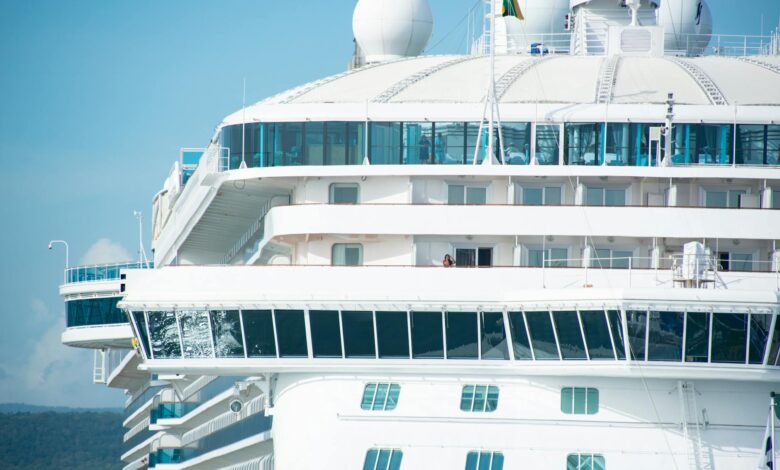
A luxury cruise ship carrying over 3,200 passengers and crew ran aground off the Italian coast early Tuesday morning as severe weather conditions battered the Mediterranean region. The vessel, operated by one of Europe’s major cruise lines, struck a rocky outcrop near the island of Elba during what meteorologists are calling one of the most intense winter storms to hit the area in years.
The incident occurred around 4:30 AM local time when the ship was attempting to seek shelter from 50-knot winds and waves reaching heights of up to 15 feet. Initial reports suggest the captain was navigating toward a protected harbor when the vessel lost power temporarily, causing it to drift onto the rocky coastline approximately 200 meters from shore.
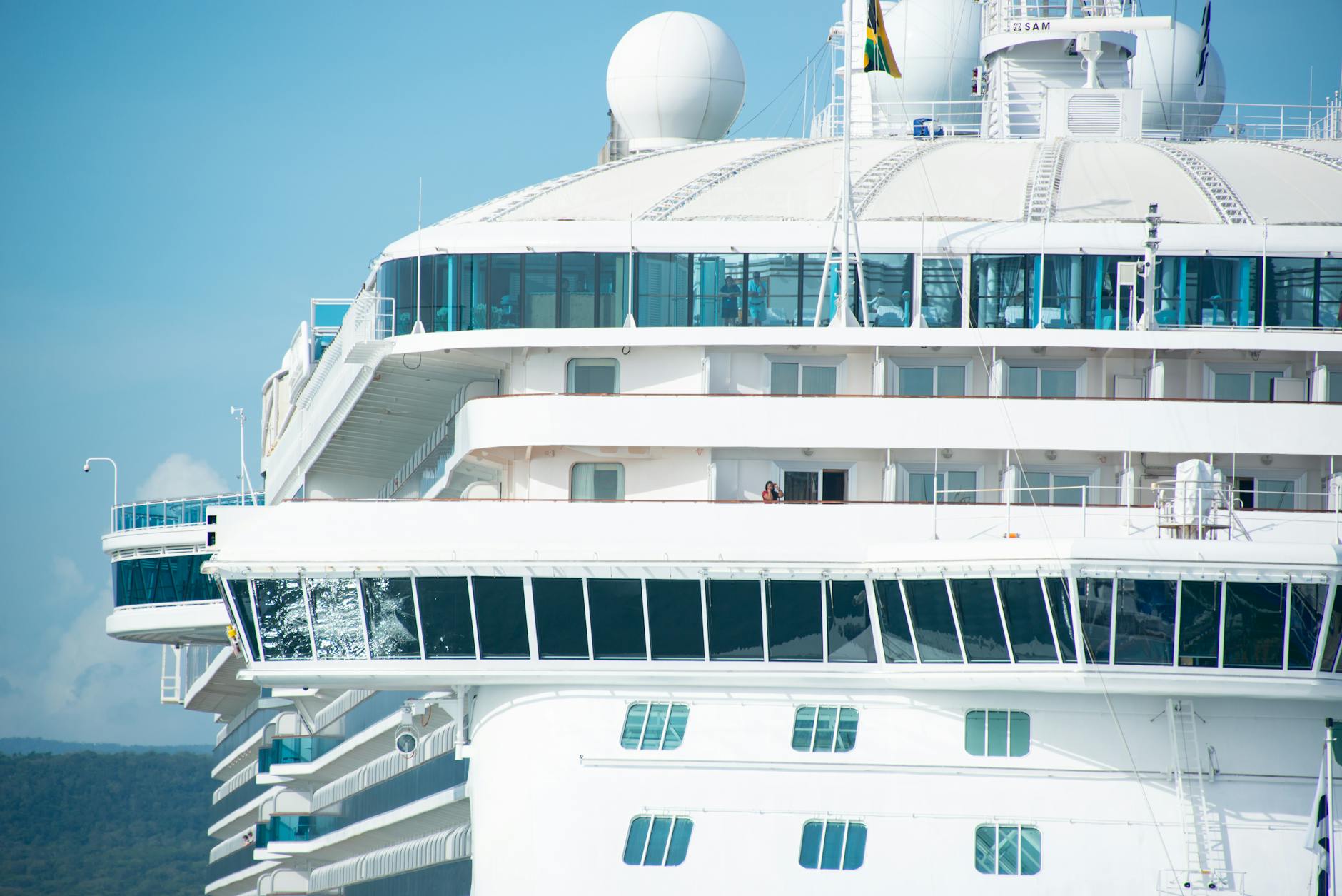
Emergency Response and Passenger Safety
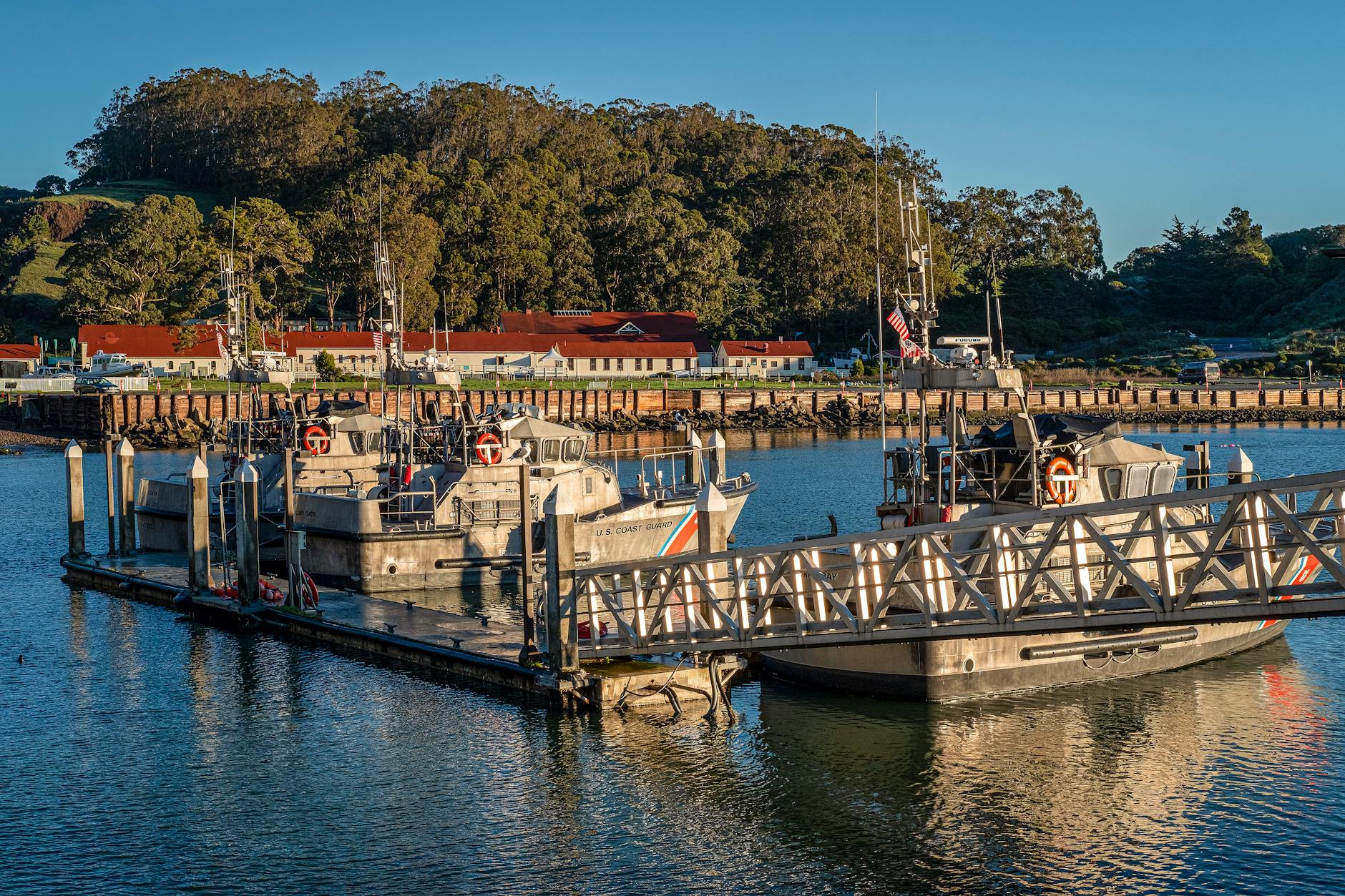
Italian Coast Guard vessels immediately responded to the distress call, deploying multiple rescue boats and helicopters to the scene. Maritime authorities report that all passengers and crew members are currently safe aboard the vessel, with no injuries reported at this time. The ship’s emergency systems are functioning normally, and power has been restored to all critical areas.
Captain Marco Benedetti of the Italian Coast Guard confirmed that the ship’s hull integrity remains intact, with no immediate danger to those on board. “The vessel is stable and secure. Our primary concern is monitoring weather conditions and preparing for a safe evacuation if necessary,” Benedetti stated during a press briefing.
Passengers described scenes of initial panic as the ship suddenly lurched and came to an abrupt stop. Sarah Mitchell, a British tourist traveling with her family, reported hearing loud scraping sounds before crew members made announcements over the ship’s intercom system. “The crew was very professional and kept everyone calm. They immediately began organizing passengers into muster stations as a precaution,” Mitchell said via satellite phone.
The cruise line has activated its emergency response protocol, working closely with Italian maritime authorities to assess the situation. Company representatives are reportedly in constant communication with the ship’s crew and have begun arranging alternative transportation for passengers once weather conditions improve.
Weather Conditions and Navigation Challenges
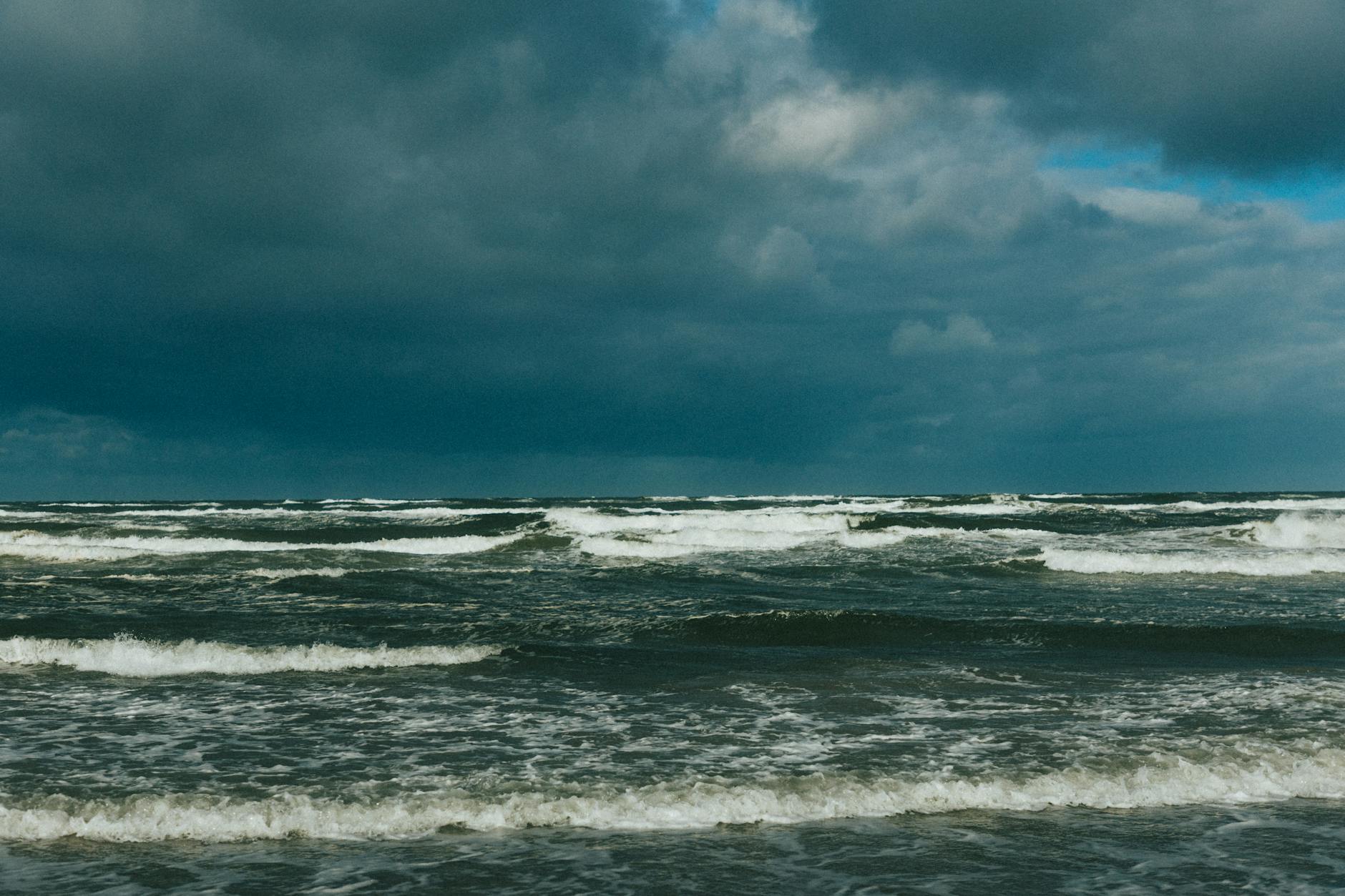
The grounding incident comes amid a powerful winter storm system that has been affecting much of the Mediterranean region for the past 48 hours. Wind speeds have consistently exceeded 45 knots, with gusts reaching up to 65 knots in some areas. Wave heights have been measured at 12-15 feet, creating extremely challenging navigation conditions for all vessels in the region.
Meteorologist Dr. Elena Rossi from the Italian National Weather Service explains that this storm represents a rare convergence of Atlantic and Mediterranean weather patterns. “We’re seeing an unusual interaction between cold air masses from Northern Europe and warm, moist air from the south. This creates particularly intense and unpredictable conditions,” Rossi noted.
The area where the ship ran aground is known for its complex underwater topography, with numerous rocky outcroppings and shallow areas that can pose navigation hazards even in normal conditions. Local maritime pilots typically guide larger vessels through these waters, but the emergency nature of seeking storm shelter may have prevented such assistance.
Similar challenging weather conditions have been impacting other critical infrastructure across Europe, including recent disruptions to internet services along the West Coast of the United States due to a major data center fire, highlighting how severe weather can cascade into multiple systems failures.
Salvage Operations and Environmental Concerns
Maritime salvage experts are already en route to the scene to assess options for refloating the cruise ship once weather conditions stabilize. The operation will likely require specialized equipment, including powerful tugboats and possibly offshore cranes, depending on how firmly the vessel is grounded.
Environmental authorities are closely monitoring the situation for any potential fuel leaks or other contamination. The ship carries approximately 2,400 tons of marine fuel oil, and while no leaks have been detected, boom barriers are being positioned as a precautionary measure. The waters around Elba are part of a protected marine sanctuary, making environmental protection a critical priority.
Salvage master Giovanni Torretti, who has overseen similar operations in the Mediterranean, estimates that refloating could take anywhere from 24 hours to several days, depending on tidal conditions and the extent of any hull damage. “The key factors will be the ship’s exact position, the condition of the hull, and waiting for a weather window that allows safe operations,” Torretti explained.
The Italian Environment Ministry has deployed a specialized response team to monitor water quality and marine life in the affected area. Previous cruise ship incidents in Mediterranean waters have demonstrated the importance of rapid environmental assessment and containment measures.
Impact on Cruise Industry and Safety Protocols
This incident marks the latest in a series of challenging weather-related maritime emergencies that have affected the cruise industry in recent years. Industry experts point to increasingly severe weather patterns and the growing size of modern cruise vessels as factors that complicate emergency navigation and response procedures.
The International Maritime Organization has been reviewing safety protocols for large passenger vessels operating in severe weather conditions. These guidelines include enhanced weather routing systems, improved bridge resource management, and mandatory weather-based operational limitations.
Cruise industry analyst Robert Chen notes that while such incidents remain extremely rare given the millions of passengers who cruise annually, each event provides valuable lessons for improving safety procedures. “Modern cruise ships are equipped with sophisticated weather monitoring and navigation systems, but Mother Nature can still present challenges that require split-second decision-making,” Chen observed.
The financial implications for the cruise line could be substantial, including costs for passenger compensation, alternative transportation, salvage operations, and potential environmental remediation. Travel insurance experts advise that most comprehensive policies should cover emergency evacuation and alternative transportation costs for affected passengers.
As rescue operations continue and weather conditions gradually improve, maritime authorities remain focused on ensuring passenger safety while minimizing environmental impact. The incident serves as a reminder of the ongoing challenges facing the maritime industry as extreme weather events become more frequent and intense across global shipping routes.
Frequently Asked Questions
Are all passengers safe on the grounded cruise ship?
Yes, all passengers and crew are currently safe aboard the vessel with no reported injuries.
What caused the cruise ship to run aground?
The ship lost power during a severe storm and drifted onto rocky coastline while seeking shelter.