

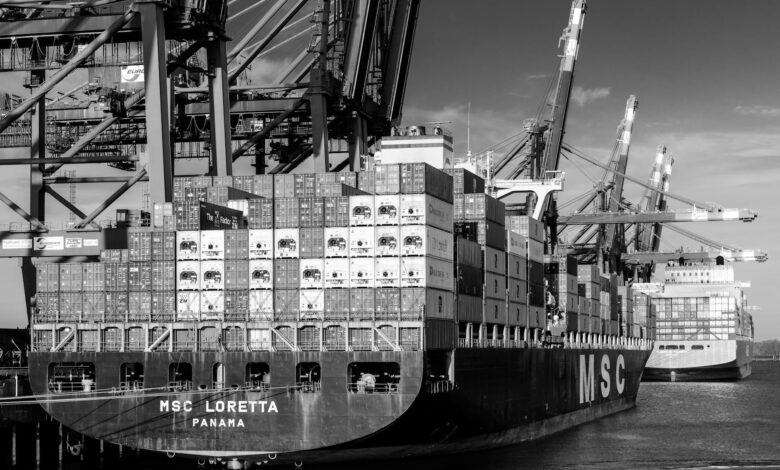
A massive container vessel has become wedged across the Suez Canal following a critical navigation system malfunction, bringing one of the world’s busiest shipping routes to a complete standstill. The incident, which occurred during routine transit through the narrow waterway, has trapped dozens of vessels on both sides of the blockage and threatens to disrupt global supply chains worth billions of dollars daily.
The 400-meter cargo ship, carrying thousands of shipping containers, lost steering control approximately 150 kilometers north of Suez city during the early morning hours. Strong crosswinds reportedly contributed to the vessel’s inability to maintain its course, causing it to run aground and pivot sideways across the canal’s full width. Maritime authorities immediately suspended all traffic through the critical shipping lane that connects Europe and Asia.
Immediate Response and Rescue Operations
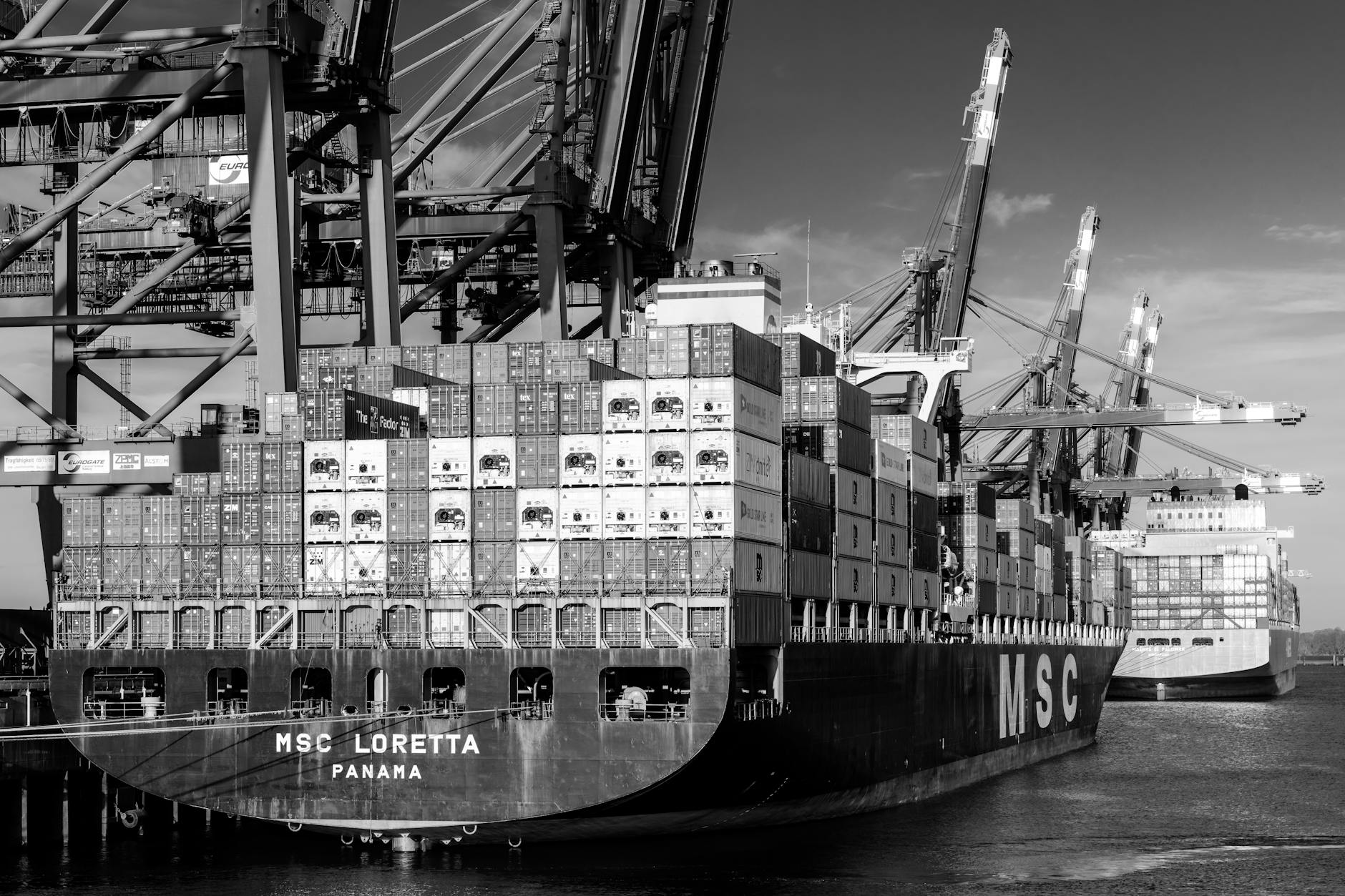
Egyptian maritime officials have deployed multiple tugboats and specialized salvage vessels to free the stranded container ship, though initial attempts have proven unsuccessful due to the vessel’s enormous size and weight. The ship’s position has created what experts describe as a “cork in a bottle” scenario, with the canal’s narrow width making it impossible for other vessels to pass around the obstruction.
Suez Canal Authority chairman Osama Rabie confirmed that excavation work has begun around the ship’s bow, which remains firmly embedded in the eastern bank. High-powered tugboats are working continuously to refloat the vessel, with operations continuing around the clock. The authority has also requested additional heavy-duty equipment from international maritime rescue specialists.
Weather conditions have complicated rescue efforts, with sustained winds of 40 knots creating challenging operating conditions for the tugboat crews. Maritime engineers estimate that removing the grounded vessel could require several days, depending on tidal conditions and the effectiveness of the excavation work around the ship’s hull.
Global Trade Impact and Economic Consequences
The blockage has immediate implications for international commerce, as the Suez Canal handles approximately 12 percent of global trade and nearly 30 percent of all container ship traffic. More than 150 vessels are now queued on both sides of the canal, with that number increasing hourly as ships continue to arrive at the waterway’s entrances.
Oil prices have already begun rising in response to the disruption, as energy tankers carrying crude oil and liquefied natural gas rely heavily on the Suez route. Major shipping companies are evaluating whether to reroute vessels around the Cape of Good Hope, a journey that adds approximately 10 days and significant fuel costs to typical Europe-Asia routes.
Industry analysts warn that extended delays could severely impact supply chains already strained by recent global events. Consumer goods, automotive parts, and electronics commonly transit through the canal, meaning retailers and manufacturers may face inventory shortages if the blockage persists beyond several days.
The incident has revived concerns about the vulnerability of critical global shipping chokepoints, similar to issues faced during [previous maritime emergencies](https://shuvo24news.com/major-cruise-ship-runs-aground-off-italian-coast-during-storm/) that have disrupted international trade routes.
Historical Context and Previous Incidents
The Suez Canal has experienced similar disruptions throughout its operational history, though blockages of this magnitude remain relatively rare. The waterway, which opened in 1869, has undergone several expansions to accommodate increasingly large modern cargo vessels, but the narrow passages still present navigation challenges during adverse conditions.
Previous incidents involving large vessels have demonstrated the canal’s vulnerability to single-point failures. The most notable modern comparison occurred in 2021 when the Ever Given container ship blocked the canal for six days, resulting in estimated daily losses of $9.6 billion in global trade and highlighting the critical importance of this shipping route to international commerce.
Maritime safety experts have long advocated for enhanced navigation systems and expanded canal width to prevent such incidents, though the technical and financial challenges of major infrastructure modifications remain significant. The current blockage has renewed discussions about diversifying global shipping routes and reducing dependence on single critical pathways.
Recovery Timeline and Future Implications
Officials remain cautiously optimistic about resolving the current crisis within the coming days, though they acknowledge that complex salvage operations involving vessels of this size often face unexpected complications. The Suez Canal Authority has assembled an international team of maritime engineering specialists to assist with the recovery effort.
Alternative routing options are being evaluated by major shipping lines, though the economic implications of circumnavigating Africa make this a last resort for most carriers. Port authorities in Rotterdam, Hamburg, and other major European terminals are preparing for potential delays in scheduled arrivals and departures.
The incident underscores the interconnected nature of modern global commerce and the cascading effects that can result from infrastructure disruptions. As rescue operations continue, international shipping companies and their customers are closely monitoring developments, hoping for a swift resolution to minimize economic impacts.
Recovery efforts are expected to intensify over the next 48 hours, with additional specialized equipment being transported to the site. The successful resolution of this crisis will likely inform future navigation protocols and emergency response procedures for one of the world’s most critical maritime passages.
Frequently Asked Questions
How long will the Suez Canal remain blocked?
Officials estimate several days for recovery operations, though complex salvage work involving large vessels can face unexpected delays.
What is the economic impact of the blockage?
The disruption affects 12% of global trade and 30% of container traffic, with potential supply chain impacts for retailers and manufacturers worldwide.