

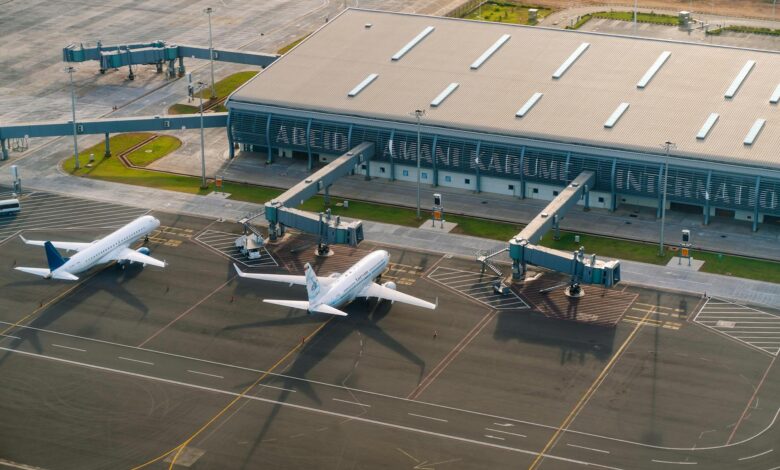
A massive winter storm system has brought the Northeast Corridor to a grinding halt, forcing major airports to suspend operations and leaving thousands of passengers stranded across the region. The blizzard, packing winds up to 70 mph and dumping over two feet of snow in some areas, represents one of the most severe weather events to hit the region this winter season.
The National Weather Service issued blizzard warnings from Washington D.C. to Boston, with meteorologists describing the storm as a “once-in-a-decade” weather event. Snow began falling Tuesday evening and intensified overnight, creating whiteout conditions that made travel virtually impossible by Wednesday morning.

Airport Operations Grind to Complete Halt
LaGuardia Airport suspended all flight operations at 6 AM Wednesday, joining John F. Kennedy International and Newark Liberty International airports in complete shutdowns. The Port Authority of New York and New Jersey announced that all three major hubs serving the metropolitan area would remain closed until conditions improve significantly.
“We cannot safely operate aircraft in these conditions,” said Port Authority spokesperson Maria Rodriguez. “Wind speeds are exceeding operational limits, and visibility is near zero across all our facilities.”
Boston Logan International Airport followed suit, canceling all departures and arrivals through Thursday morning. Philadelphia International Airport reported similar conditions, with runway crews unable to keep pace with the rapidly accumulating snow despite around-the-clock plowing efforts.
The ripple effects extended far beyond the immediate storm zone. Chicago O’Hare, Atlanta Hartsfield-Jackson, and Dallas-Fort Worth airports all reported significant delays and cancellations for flights destined for Northeast destinations. Airlines proactively canceled thousands of flights, with American Airlines alone scrapping over 800 departures across its network.
Transportation Networks Face Complete Breakdown
The storm’s impact reaches far beyond aviation. Amtrak suspended service along the entire Northeast Corridor, the nation’s busiest passenger rail line connecting Boston, New York, Philadelphia, and Washington D.C. The railway company cited dangerous conditions and multiple downed trees across tracks as primary concerns.
“Passenger safety is our top priority,” said Amtrak officials in a statement. “We will resume service only when we can guarantee safe operations throughout the corridor.”
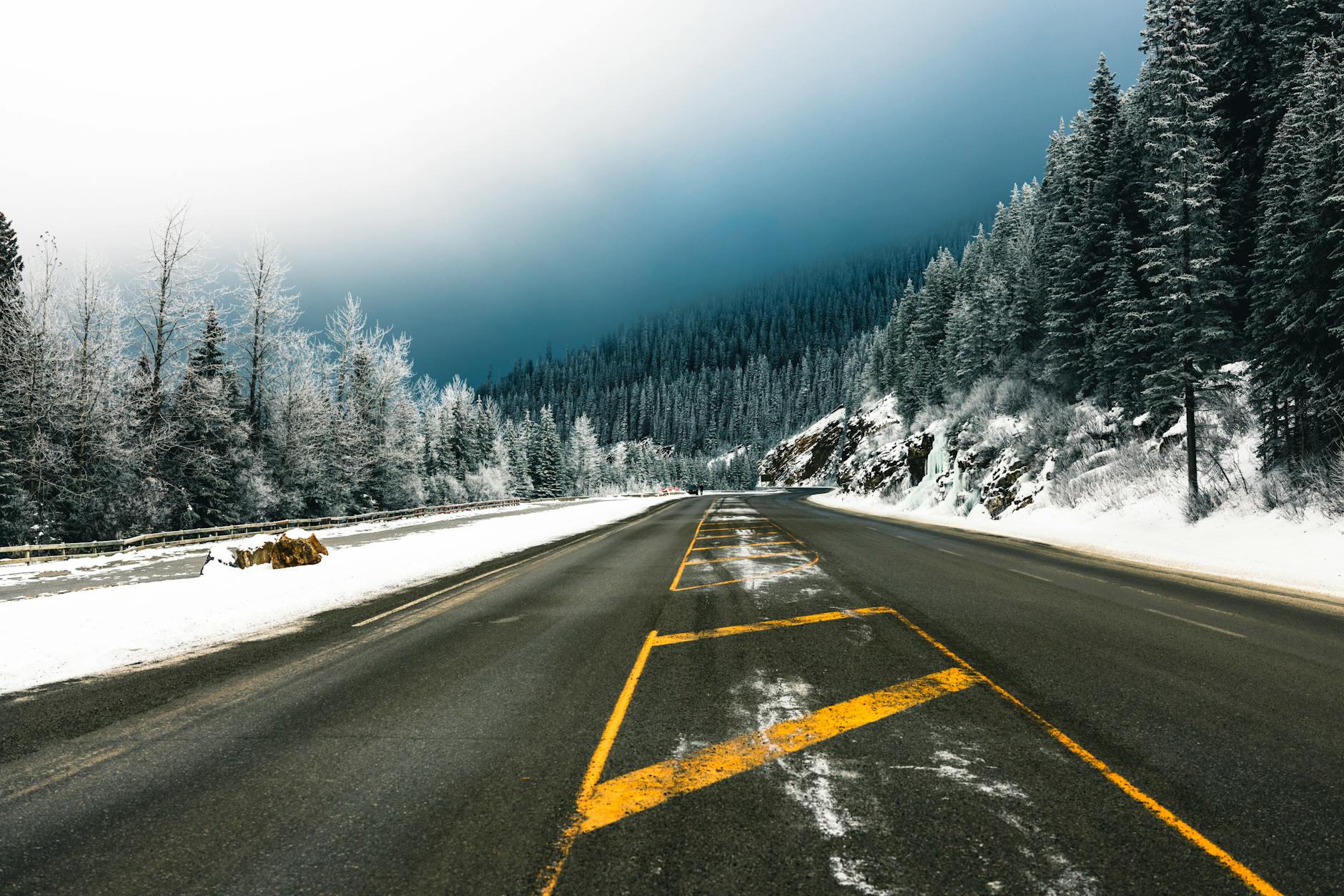
Interstate highways from Maine to Virginia became virtual parking lots as state transportation departments struggled to maintain passable conditions. Interstate 95, the East Coast’s primary north-south artery, was effectively closed to all but emergency vehicles in multiple states. Connecticut Governor Ned Lamont implemented a travel ban, prohibiting all non-essential vehicle travel statewide.
New York City’s subway system, typically resilient in severe weather, suspended above-ground services on multiple lines. The Metropolitan Transportation Authority deployed snow-clearing equipment across the network but acknowledged that some services might not resume for 24 to 48 hours.
Bus services across the region came to a complete standstill. Greyhound and other intercity carriers canceled routes throughout the Northeast, while local transit systems in major metropolitan areas significantly reduced or suspended operations entirely.
Emergency Response and Public Safety Measures
State and local governments activated emergency operations centers across the affected region. New Jersey Governor Phil Murphy declared a state of emergency, mobilizing the National Guard to assist with snow removal and emergency response efforts. Massachusetts Governor Maura Healey followed with similar declarations, emphasizing the need for residents to remain indoors.
Emergency services reported hundreds of weather-related incidents, including vehicle accidents, power outages, and medical emergencies complicated by impassable roads. Boston Emergency Medical Services switched to specialized all-terrain vehicles to reach patients, while New York City deployed additional ambulances equipped with snow chains.
Power companies prepared for widespread outages as heavy snow and high winds threatened electrical infrastructure. ConEd in New York and Eversource in New England positioned emergency crews throughout their service areas, though repair efforts remained limited by dangerous travel conditions.
The storm’s timing during mid-week travel created particular challenges for business operations. Unlike events that occur during weekends, Similar to how major hospital systems faced operational challenges during recent cyber attacks, transportation networks now grapple with maintaining essential services during this severe weather disruption.

Recovery Timeline and Weather Outlook
Meteorologists predict the storm system will begin moving offshore Thursday afternoon, though dangerous conditions may persist into Friday morning. Wind speeds are expected to decrease gradually, but snow accumulation could reach 30 inches in some locations before the system clears.
Airport officials indicate that runway clearing operations will begin as soon as wind conditions permit, but full restoration of service may take several days. The sheer volume of snow requires extensive removal from taxiways, gates, and aircraft staging areas before normal operations can resume.
Airlines are already working on recovery plans, though industry experts warn that the backlog of canceled flights could create disruptions lasting through the weekend. Many carriers have waived change fees for affected passengers and are offering flexible rebooking options.
The Northeast Corridor’s transportation infrastructure, while robust, demonstrates vulnerability to extreme weather events. This storm highlights the interconnected nature of modern travel systems, where disruptions in one region can cascade across the entire national network. As climate patterns continue evolving, transportation authorities face increasing pressure to develop more resilient systems capable of maintaining operations during severe weather events.
Recovery efforts will begin in earnest once conditions improve, but the full restoration of normal travel operations may extend well into next week as crews work to clear the massive snow accumulations and repair any infrastructure damage caused by this unprecedented winter storm.
Frequently Asked Questions
Which airports are closed due to the Northeast blizzard?
LaGuardia, JFK, Newark, Boston Logan, and Philadelphia International have all suspended operations due to severe weather conditions.
When will Northeast airports reopen after the blizzard?
Airports expect to begin recovery operations Thursday afternoon, but full service restoration may take several days depending on conditions.