

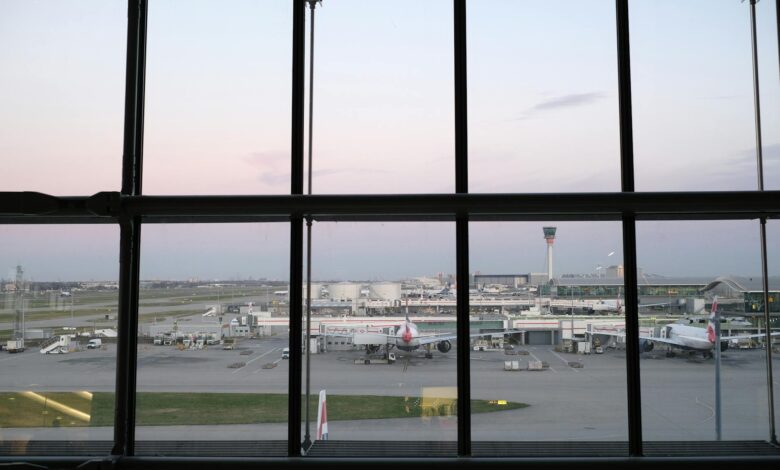
Thousands of passengers face travel chaos as ground handling staff at major UK airports walk out over pay disputes, bringing air travel to a standstill across the country. The coordinated strike action has forced airlines to cancel hundreds of flights, leaving travelers stranded and disrupting holiday plans during one of the busiest travel periods of the year.
The strike, organized by the Unite union, affects ground crews responsible for baggage handling, aircraft refueling, and passenger services at key airports including Heathrow, Gatwick, Manchester, and Birmingham. Workers are demanding better pay conditions and improved working terms after months of failed negotiations with airport operators and service companies.
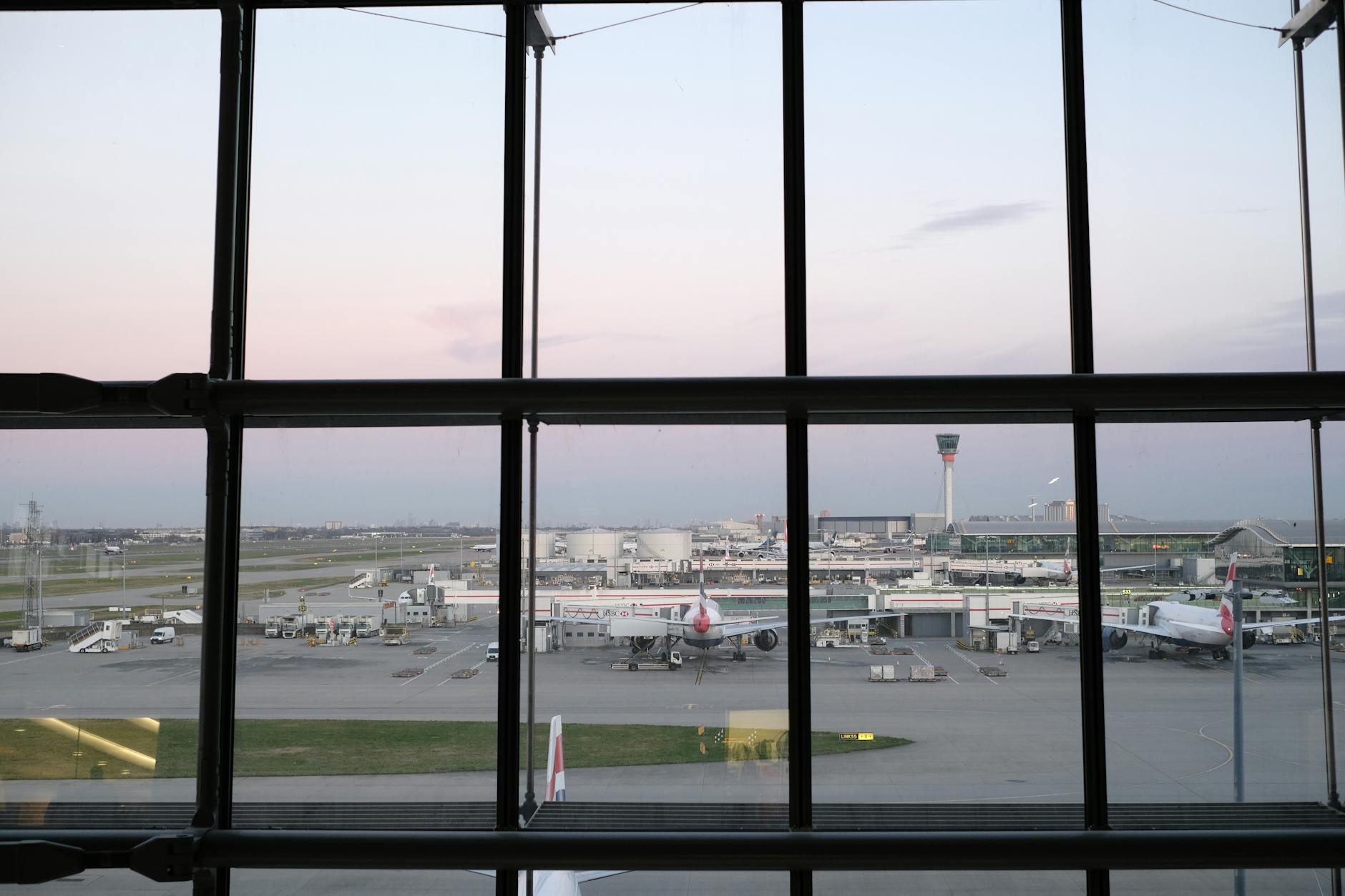
Strike Action Spreads Across Multiple Airports
The industrial action began at 4 AM local time, immediately impacting early morning departures and creating a domino effect throughout the day’s flight schedules. Heathrow Airport, Britain’s busiest aviation hub, reported the cancellation of over 200 flights within the first six hours of the strike.
Ground handling companies Swissport, Menzies Aviation, and dnata have been unable to provide essential services, forcing airlines to ground aircraft that cannot be safely prepared for departure. Without ground crews to load luggage, refuel planes, and guide aircraft to gates, normal airport operations have ground to a halt.
Manchester Airport confirmed that approximately 150 flights scheduled for departure have been canceled, while Birmingham and Gatwick airports face similar disruptions. Regional airports including Edinburgh, Glasgow, and Bristol are also experiencing significant delays as the strike action spreads.
The timing proves particularly challenging as the walkout coincides with school holiday travel and business travelers returning from international trips. Airlines including British Airways, easyJet, and Ryanair have activated contingency plans, but options remain limited without ground support services.
Pay Disputes Drive Worker Action
Unite union representatives say ground handling workers have endured years of below-inflation pay increases while airport operators and airlines have recovered financially from pandemic losses. The union claims many ground crew members earn less than living wage despite working in demanding conditions with irregular hours.
“These workers kept airports functioning during the darkest days of the pandemic, often at personal risk,” said Sharon Graham, Unite general secretary. “Now they’re being offered pay deals that don’t even match inflation while airport companies report strong profits.”
Ground handling staff typically earn between £18,000 and £25,000 annually, according to industry data. The union demands a 15 percent pay increase to help workers cope with rising living costs, while employers have offered increases ranging from 3 to 8 percent.
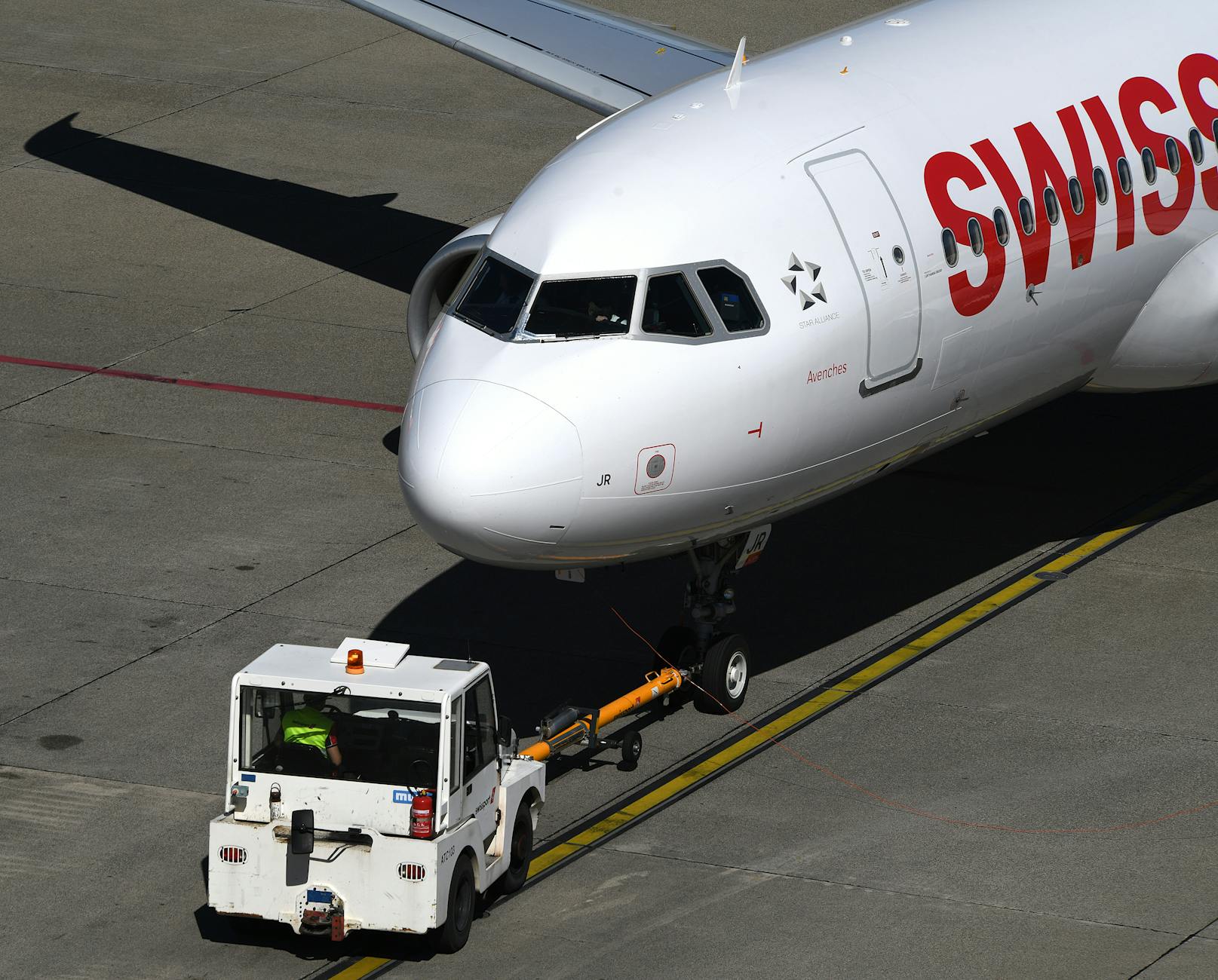
Safety concerns also factor into the dispute, with workers citing understaffing and pressure to process flights quickly. Ground crews handle heavy baggage, operate dangerous equipment, and work in all weather conditions, yet many positions struggle to attract and retain staff due to low wages.
The pandemic severely impacted ground handling employment, with thousands of workers laid off as air travel collapsed. Many former employees found work in other industries, creating current staffing shortages that compound operational challenges at UK airports.
Passenger Impact and Airline Response
Airlines scramble to minimize passenger disruption through rebooking and alternative arrangements, but options remain limited during peak travel periods. British Airways has suspended short-haul European flights from affected airports while maintaining long-haul services where possible using alternative ground handling arrangements.
Budget carriers face particular challenges as their business models depend on quick aircraft turnarounds and high frequency scheduling. easyJet reported canceling 80 flights from UK airports, while Ryanair suspended operations at several affected locations until normal ground services resume.
Passengers already at airports face lengthy delays as airlines work to clear baggage backlogs and process rebookings. Airport terminals report overcrowding as stranded travelers await information about alternative flights or refund processes.
Travel insurance claims related to strike action vary by policy, leaving many passengers facing unexpected accommodation and meal costs. Consumer groups advise affected travelers to document expenses and contact airlines directly for compensation under passenger rights regulations.
The strike’s impact extends beyond immediate flight cancellations, as disrupted schedules create knock-on effects for days afterward. Airlines must reposition aircraft and crew while managing baggage that accumulated during the walkout period.
Similar disruptions at transportation hubs worldwide have demonstrated the cascading effects of ground service strikes. Recent incidents, including emergency evacuations in Mediterranean waters, highlight how quickly travel disruptions can escalate when essential services are interrupted.
Resolution Efforts and Future Outlook
Negotiations between unions and employers continue through ACAS mediation services, with both sides expressing willingness to reach agreements that end the strike action. Airport operators emphasize their commitment to fair pay while balancing operational costs and competitive pressures.
Government officials monitor the situation closely, with Transport Secretary calling for swift resolution to minimize economic impact on the aviation sector. The Department for Transport maintains that industrial disputes should be resolved through negotiation rather than government intervention.
Industry analysts predict the strike could extend beyond ground handling if other airport workers join the action. Security staff, air traffic controllers, and catering workers at some airports have indicated potential solidarity strikes if current disputes remain unresolved.
The long-term implications extend to UK aviation competitiveness, as repeated strikes and service disruptions could encourage travelers to use European hub airports instead. Airlines already face pressure from high UK airport charges compared to continental competitors.
Consumer confidence in air travel reliability may suffer if industrial action becomes frequent, potentially impacting recovery from pandemic travel reductions. Business travelers particularly value schedule reliability and may seek alternative transportation or reduce travel frequency if disruptions continue.
As negotiations progress, the focus shifts to finding sustainable solutions that address worker concerns while maintaining operational efficiency. The outcome will likely influence labor relations across the broader UK aviation industry and set precedents for future wage negotiations in essential service sectors.
Frequently Asked Questions
Which UK airports are affected by the strike?
Major airports including Heathrow, Gatwick, Manchester, Birmingham, Edinburgh, Glasgow, and Bristol are experiencing flight cancellations and delays.
How long will the airport strike last?
The strike duration depends on ongoing negotiations between unions and employers, with talks continuing through mediation services.