

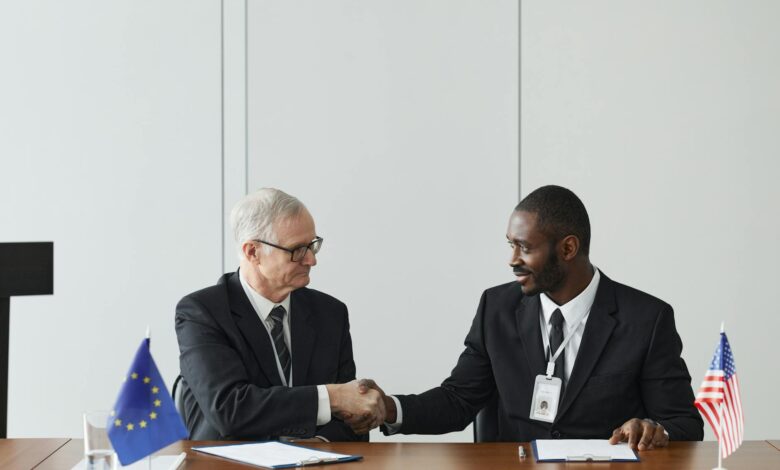
Breaking: Israel and Saudi Arabia Resume Diplomatic Talks After Two-Year Silence
After a prolonged diplomatic freeze spanning two years, Israel and Saudi Arabia have quietly resumed high-level discussions, according to sources familiar with the matter. The renewed dialogue marks a significant shift in Middle Eastern geopolitics, potentially reshaping regional alliances and economic partnerships across the Gulf.
The talks, reportedly facilitated through intermediary channels including the United States, come at a critical juncture as both nations face evolving security challenges and economic pressures. Multiple diplomatic sources confirm that preliminary discussions have focused on establishing frameworks for future cooperation, though specific details remain closely guarded.
This diplomatic thaw represents a departure from the public tensions that characterized Israeli-Saudi relations following the October 2023 conflict in Gaza, which effectively suspended the normalization process that had been gaining momentum through the Abraham Accords framework.
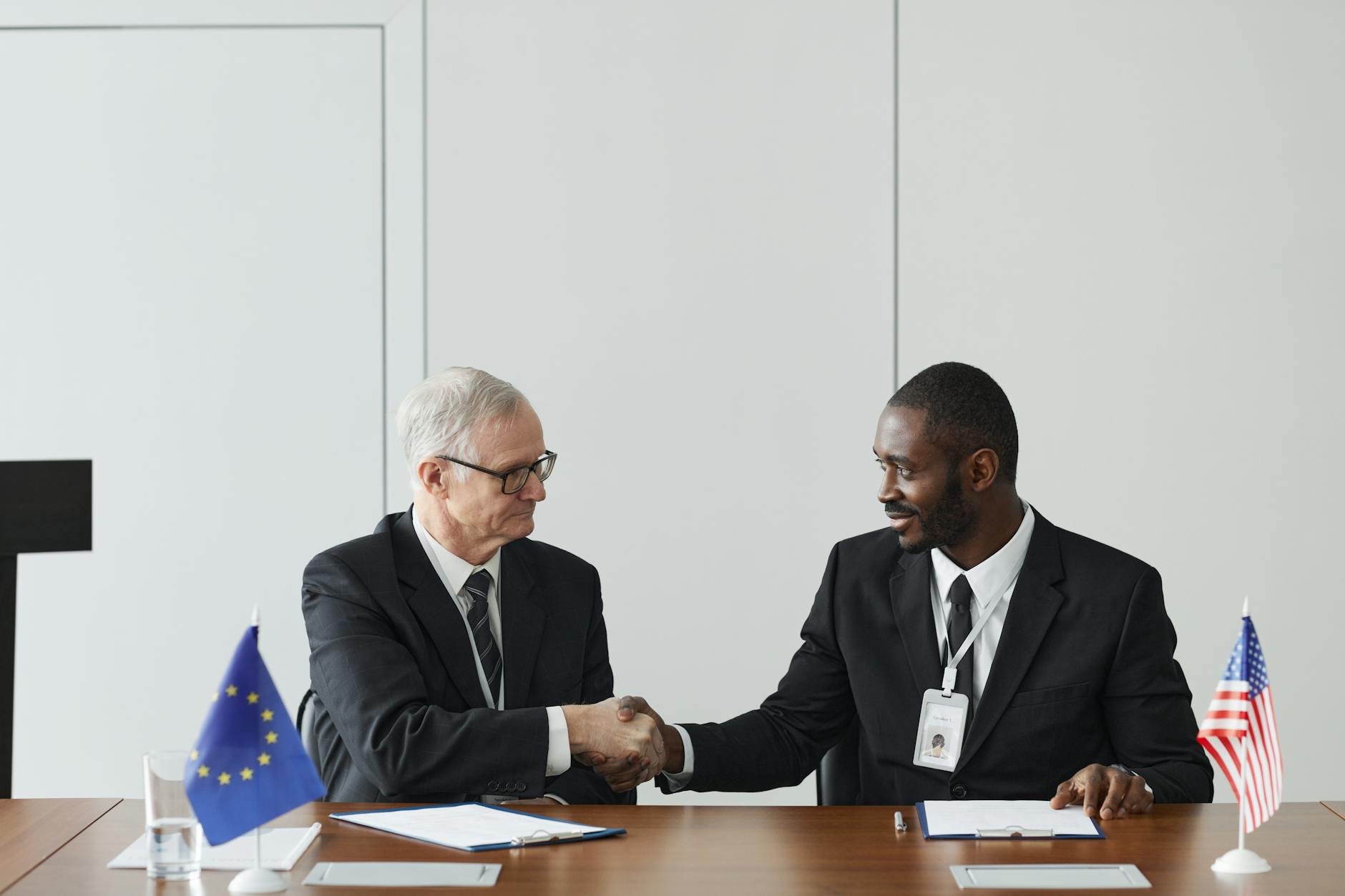
Economic Incentives Drive Diplomatic Revival
Economic considerations appear central to the renewed diplomatic engagement between the two nations. Saudi Arabia’s Vision 2030 economic diversification program requires substantial foreign investment and technological partnerships, areas where Israeli expertise could prove invaluable.
Israel’s advanced technology sector, particularly in cybersecurity, water management, and agricultural innovation, aligns closely with Saudi Arabia’s modernization goals. The kingdom’s massive infrastructure projects, including the NEOM megacity development, could benefit significantly from Israeli technological solutions.
Trade potential between the nations remains largely untapped, with economic analysts estimating bilateral trade could reach substantial levels once diplomatic relations normalize. Currently, most commercial interactions occur through third-party countries, limiting the full economic potential of Israeli-Saudi cooperation.
The energy sector presents another avenue for collaboration. While Saudi Arabia dominates oil production, Israel has emerged as a natural gas producer in the Eastern Mediterranean. Energy cooperation could create mutual benefits, particularly as both nations seek to diversify their energy portfolios and reduce dependencies.
Regional Security Concerns Shape Negotiations
Security considerations heavily influence the diplomatic calculus for both nations. Iran’s regional influence remains a shared concern, with both Israel and Saudi Arabia viewing Tehran’s proxy networks and nuclear ambitions as existential threats.
The ongoing conflict in Yemen, where Saudi Arabia has been militarily engaged against Iranian-backed Houthis, adds urgency to potential Israeli-Saudi cooperation. Israel’s advanced defense technologies and intelligence capabilities could prove valuable in countering Iranian-sponsored regional activities.
Regional stability concerns extend beyond Iran. The situation in Syria, Lebanon’s ongoing crisis, and broader Middle Eastern geopolitical shifts create incentives for pragmatic cooperation between former adversaries. Both nations recognize that regional isolation serves neither’s long-term interests.
Intelligence sharing represents a particularly sensitive but crucial aspect of potential cooperation. Both countries maintain sophisticated intelligence operations, and coordinated efforts could enhance regional security against common threats while serving broader strategic objectives.
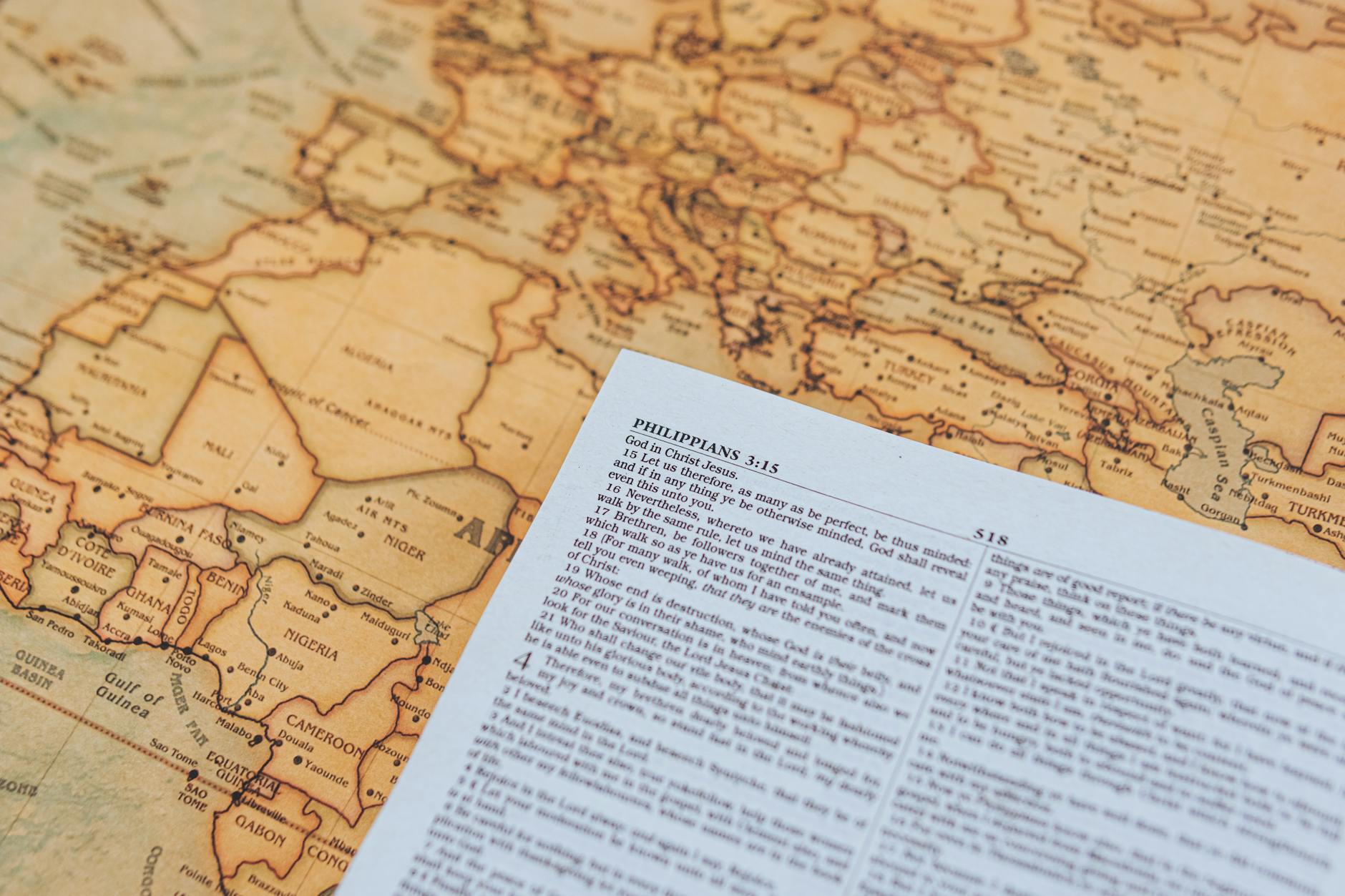
International Mediation and Strategic Frameworks
The United States continues to play a crucial mediating role in facilitating Israeli-Saudi dialogue. American diplomatic efforts, building on previous Abraham Accords successes, aim to create sustainable frameworks for regional cooperation and stability.
European nations have also expressed support for renewed Middle Eastern diplomatic initiatives. The European Union’s economic interests in regional stability, combined with energy security concerns, make Israeli-Saudi normalization attractive to European policymakers seeking diversified partnerships.
China’s growing Middle Eastern influence adds another dimension to the diplomatic equation. Both Israel and Saudi Arabia must consider how normalization affects their relationships with Beijing, particularly given China’s significant investments in Saudi infrastructure and its complex relationship with Israel.
The framework for potential normalization likely involves gradual steps rather than dramatic announcements. Confidence-building measures, increased diplomatic contact, and limited cooperation in specific sectors could precede formal diplomatic recognition.
As regional dynamics continue evolving, similar diplomatic initiatives are emerging elsewhere. The recent Philippines and Vietnam maritime defense agreement demonstrates how regional security concerns drive new partnerships, even among nations with complex historical relationships.

Future Prospects and Regional Implications
The resumption of Israeli-Saudi talks signals broader shifts in Middle Eastern diplomacy, where pragmatic interests increasingly override historical grievances. Both nations face demographic, economic, and security challenges that cooperation could help address.
Success in Israeli-Saudi normalization could catalyze additional regional partnerships, potentially including other Gulf states that have maintained distance from the Abraham Accords. The demonstration effect of successful Israeli-Saudi cooperation might encourage broader regional integration.
However, significant obstacles remain. Palestinian concerns continue influencing Saudi decision-making, with the kingdom historically positioning itself as a guardian of Palestinian interests. Any normalization framework must address Palestinian aspirations in ways acceptable to Saudi domestic and regional constituencies.
The timeline for meaningful progress remains uncertain, with both nations proceeding cautiously given domestic political considerations and regional complexities. Nevertheless, the resumption of dialogue represents a crucial first step toward potential normalization that could reshape Middle Eastern geopolitics for decades to come.
Frequently Asked Questions
Why did Israel and Saudi Arabia stop talking two years ago?
Diplomatic talks were suspended following the October 2023 Gaza conflict, which disrupted the normalization process that had been developing through the Abraham Accords framework.
What are the main topics in the renewed talks?
Discussions reportedly focus on economic cooperation, security concerns regarding Iran, and establishing frameworks for potential future diplomatic normalization.