
Semiconductor Giant Sparks Industrial Revival
Intel’s massive new manufacturing facility in Ohio represents more than just another tech expansion-it signals a fundamental shift in how America approaches domestic semiconductor production. The $20 billion project, dubbed the largest private sector investment in Ohio’s history, is creating thousands of manufacturing jobs while reshaping the regional economy.
The facility, currently under construction in New Albany, will produce advanced computer chips using Intel’s most sophisticated manufacturing processes. Beyond the immediate construction jobs, the plant promises to employ 3,000 full-time workers once operational, with average salaries reportedly exceeding $135,000 annually. This represents a dramatic departure from traditional manufacturing wages in the region.

Beyond Silicon: The Ripple Effect Economy
The Intel facility’s impact extends far beyond its factory walls. Local suppliers, logistics companies, and service providers are experiencing unprecedented demand. Construction firms report backlogs stretching into 2025, while specialized equipment manufacturers are establishing regional offices to support ongoing operations.
Housing developers are scrambling to meet demand from incoming workers. New residential projects targeting tech professionals have emerged throughout the Columbus metropolitan area, with some communities seeing their first new construction in over a decade. Local restaurants, retail establishments, and healthcare facilities are expanding to serve the growing population.
Educational institutions are adapting rapidly. Ohio State University has launched new semiconductor engineering programs, while community colleges are developing technical training curricula specifically designed for chip manufacturing careers. These programs emphasize hands-on experience with the automated systems and precision equipment that define modern semiconductor production.
The transformation mirrors broader trends in American manufacturing. Companies are increasingly prioritizing domestic production capabilities, driven by supply chain vulnerabilities exposed during recent global disruptions. This shift creates opportunities for skilled workers in regions previously dependent on declining industries.
The Skills Revolution in Manufacturing
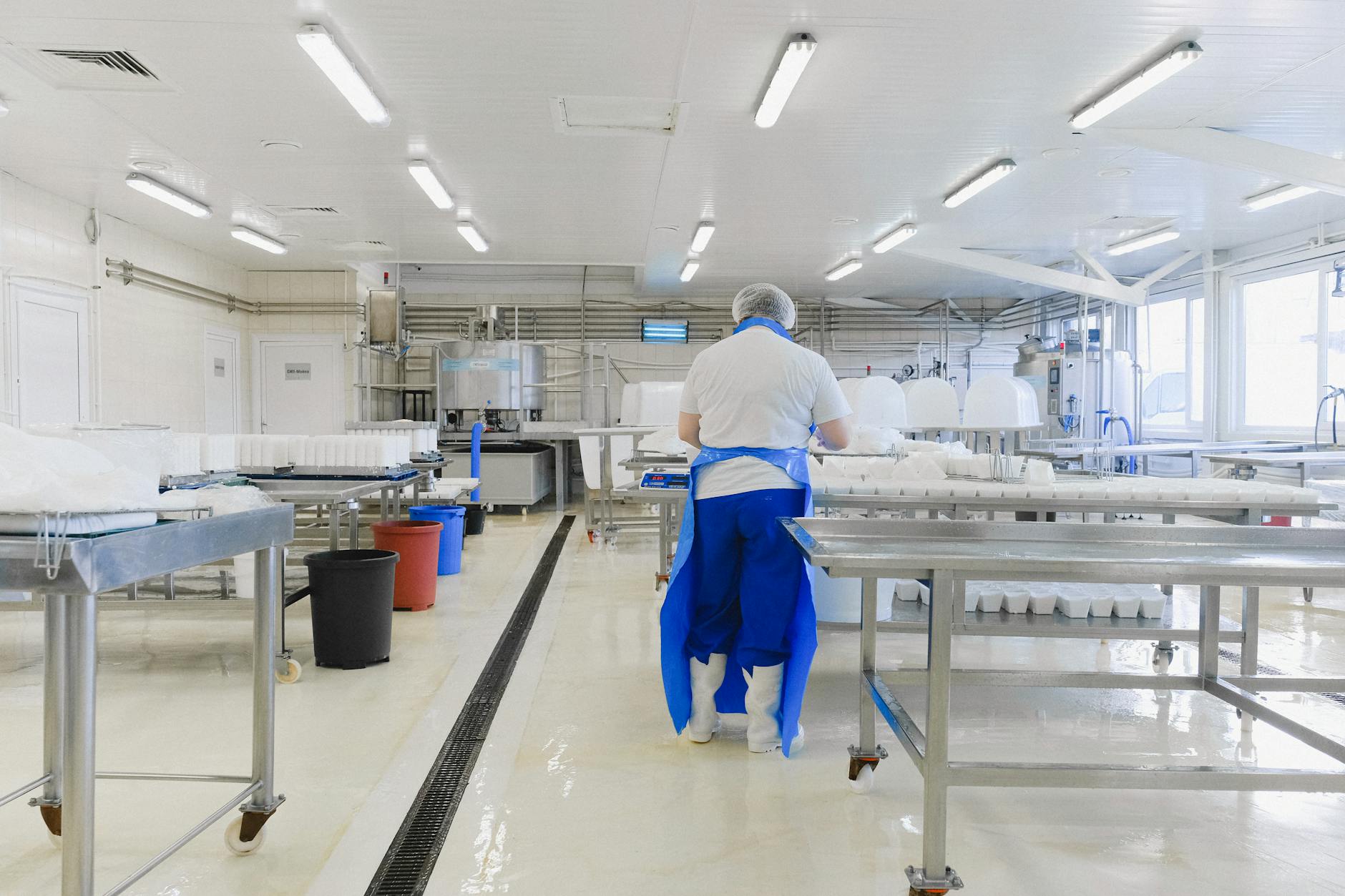
Modern chip manufacturing bears little resemblance to traditional factory work. Clean room environments require workers to wear full protective suits while operating sophisticated equipment worth millions of dollars. Quality control technicians monitor microscopic processes that determine whether computer chips function properly in everything from smartphones to automotive systems.
Intel’s training programs reflect these realities. New hires undergo months of specialized education covering chemistry, physics, and advanced manufacturing techniques. The company partners with local educational institutions to create pipeline programs, identifying promising candidates years before they join the workforce.
Career advancement opportunities within semiconductor manufacturing often surprise traditional factory workers. Production technicians can progress to engineering roles, equipment specialists can become process developers, and quality inspectors can advance to management positions overseeing entire production lines. Many positions offer tuition reimbursement for continued education, creating pathways to advanced degrees.
The demographic profile of Intel’s workforce challenges stereotypes about manufacturing jobs. Engineering positions require advanced degrees, while technical roles increasingly attract college graduates seeking stable, well-compensated careers. Women comprise a significant portion of quality control and process engineering roles, contributing to more diverse manufacturing environments.
Safety protocols in semiconductor facilities exceed those found in most industrial settings. Clean room requirements eliminate many traditional workplace hazards, while automated systems reduce physical strain and repetitive motion injuries. Environmental controls maintain optimal working conditions year-round.
Competitive Landscape and Strategic Implications
Intel’s Ohio investment represents part of a larger strategic repositioning. The company aims to reclaim market leadership from Asian competitors while reducing America’s dependence on overseas chip production. Government incentives through the CHIPS Act provide substantial support, but Intel’s commitment extends beyond immediate financial benefits.
The facility will produce processors for consumer electronics, data centers, and emerging technologies including artificial intelligence and autonomous vehicles. This diversification helps insulate the operation from cyclical downturns that traditionally affect semiconductor manufacturing.
Regional competitors are taking notice. Several technology companies have announced plans to establish operations near Intel’s facility, creating a potential cluster effect. This concentration of related businesses can accelerate innovation while providing workers with multiple career options within the same geographic area.
Supply chain considerations played a major role in site selection. Ohio’s central location provides efficient access to markets throughout North America while maintaining reasonable shipping costs to international destinations. The state’s existing logistics infrastructure, including airports and rail connections, supports the complex transportation requirements of semiconductor manufacturing.
Local government officials report increased interest from international companies seeking to establish American operations. The Intel facility serves as an anchor tenant that validates the region’s capability to support advanced manufacturing. Several foreign semiconductor equipment manufacturers have announced plans to establish service and support facilities nearby.
Manufacturing’s Digital Future
The Ohio facility represents manufacturing’s evolution toward increasingly automated, digitally-driven operations. Production lines integrate artificial intelligence for quality control, predictive maintenance systems that prevent equipment failures, and real-time monitoring that optimizes efficiency. Workers collaborate with these systems rather than being replaced by them.
Career prospects in this environment favor adaptability and continuous learning. Traditional job categories blur as workers master multiple technologies and assume broader responsibilities. Many positions require both technical expertise and problem-solving skills that cannot be easily automated.
The success of Intel’s Ohio venture could influence manufacturing decisions across multiple industries. As companies weigh the benefits of domestic production against overseas alternatives, projects like this provide practical examples of how advanced manufacturing can thrive in American markets. The facility’s performance will be closely watched by competitors, policymakers, and economic development officials nationwide.
Much like how [major retailers are reconsidering self-checkout systems](https://shuvo24news.com/major-retailers-abandon-self-checkout-systems-citing-customer-preference-shifts/) based on changing consumer preferences, Intel’s investment reflects broader reassessment of operational strategies that prioritize long-term stability over short-term cost savings. This approach creates more resilient supply chains while supporting domestic employment.
Intel’s Ohio facility represents more than industrial expansion-it demonstrates how modern manufacturing can create high-quality careers while strengthening national competitiveness. As production begins in coming years, the project will serve as a proving ground for America’s semiconductor ambitions and a model for the manufacturing renaissance many communities hope to achieve.
Frequently Asked Questions
How many jobs will Intel’s Ohio facility create?
The facility will employ 3,000 full-time workers with average salaries exceeding $135,000 annually, plus thousands of construction jobs during building phase.
What makes these manufacturing jobs different from traditional factory work?
Modern chip manufacturing requires specialized training in clean room environments, advanced technology operation, and offers significant career advancement opportunities.