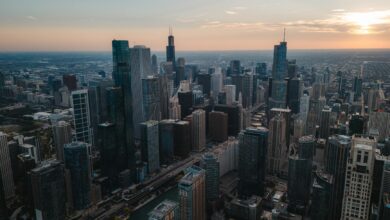


The Indonesian government officially opened its first administrative buildings in Nusantara, the country’s ambitious new capital city, marking a historic milestone in one of the world’s largest planned urban relocations. President Joko Widodo presided over the ceremony as civil servants began their transition from Jakarta to the sprawling green metropolis being carved out of East Kalimantan’s forests.
This moment represents more than just moving government offices. Indonesia faces mounting pressure as Jakarta sinks rapidly into the Java Sea, threatening 10 million residents. The capital’s relocation project, valued at over $32 billion, aims to redistribute Indonesia’s population and economic activity while creating a sustainable urban model for the 21st century.

From Concept to Reality: Nusantara Takes Shape
The vision for Nusantara began taking concrete form in 2022 when Indonesia’s parliament approved the relocation law. Named after an ancient Javanese term meaning “archipelago,” the new capital spans 256,000 hectares across forested hills in Borneo. The first phase covers 56,000 hectares and focuses on core government functions.
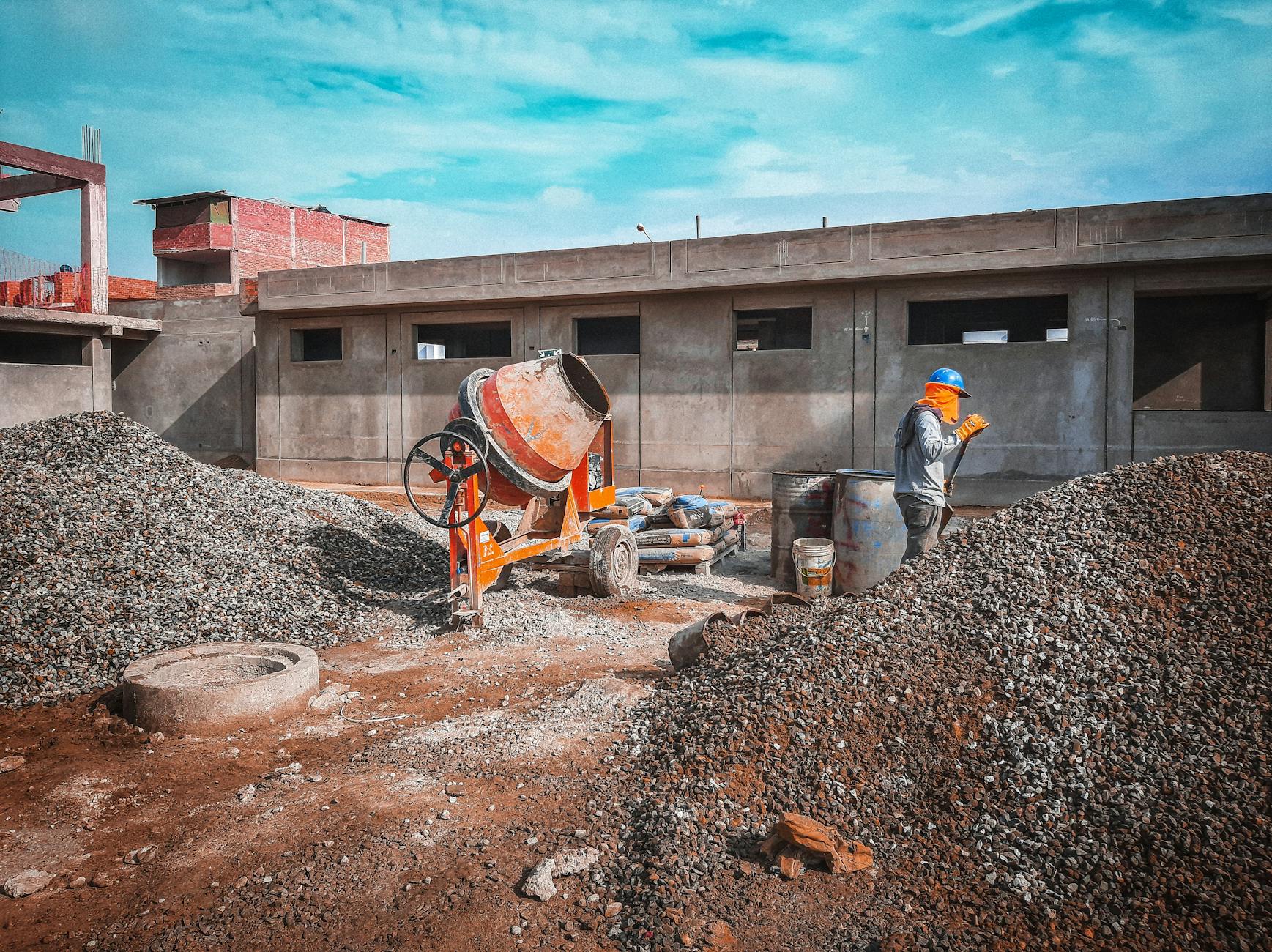
Construction crews have worked around the clock to prepare essential infrastructure. The initial government complex houses key ministries including home affairs, finance, and public works. Modern office buildings rise alongside carefully planned residential areas for civil servants, connected by electric vehicle charging stations and fiber optic networks.
Indonesian officials emphasize sustainability as a cornerstone of Nusantara’s design. The master plan requires 65% of the city to remain forested, integrating government buildings within existing tree canopy. Solar panels power many structures, while advanced water management systems capture and recycle rainwater throughout the tropical climate.
Challenges Mount Amid Environmental Concerns
The relocation hasn’t proceeded without significant obstacles. Environmental groups raise concerns about clearing primary rainforest habitat, home to endangered orangutans and other endemic species. Critics argue the massive construction project contradicts Indonesia’s climate commitments, especially as global research like recent NASA findings on ice sheet melting highlights urgent environmental challenges worldwide.
Funding remains another persistent challenge. The Indonesian government projects the full capital relocation will require $32 billion over two decades. While initial phases rely on state budgets, officials court international investors and development partners to finance later construction phases. Some promised private investments have materialized slower than anticipated.
Logistical complexities also test planners’ resolve. Moving thousands of government employees requires coordinating housing, schools, medical facilities, and transportation networks. Many civil servants express reluctance about relocating from Java, where family and cultural ties run deep.
Regional Impact and Economic Transformation
Nusantara’s development ripples across Indonesia’s eastern provinces, traditionally less developed than Java and Sumatra. Local contractors secure construction projects while service industries emerge to support the growing population. The nearby port city of Balikpapan experiences increased economic activity as goods and people flow toward the new capital.
Transportation infrastructure receives massive upgrades to connect Nusantara with existing population centers. A new international airport serves the region while highway construction links the capital to ports and other cities. High-speed rail connections to Jakarta remain in planning stages, though implementation timelines extend well into the 2030s.
The project also influences regional environmental policies. As neighbors like China implement strict environmental regulations, Indonesia positions Nusantara as a model for sustainable urban development in tropical climates. Green building standards and renewable energy requirements could influence construction practices throughout Southeast Asia.
Employment opportunities attract workers from across the archipelago. Construction, logistics, and administrative jobs draw migrants seeking better economic prospects. Local communities navigate changing land values and development pressures as traditional agricultural areas transform into suburban neighborhoods.
Timeline and Future Phases
Indonesian officials project the capital relocation will unfold over 20 years, with government functions transferring gradually. The current phase focuses on core ministries and essential services, while later phases will relocate parliament, the supreme court, and other major institutions. Complete transition isn’t expected until the early 2040s.
Future development phases envision a city of 1.9 million residents, including 1.5 million civil servants and their families. Commercial districts, universities, and cultural centers will expand beyond the initial government core. Smart city technologies integrated from the beginning aim to optimize traffic flow, energy consumption, and waste management.

International observers watch Nusantara’s progress as other nations face similar urban challenges. Rising sea levels threaten coastal capitals worldwide, while rapid urbanization strains existing city infrastructure. Indonesia’s experience could provide lessons for planned relocations elsewhere, though critics question whether such massive undertakings remain viable given climate urgency.
The success of this historic relocation ultimately depends on sustained political commitment across multiple administrations. As civil servants begin their daily work in Nusantara’s new government buildings, they participate in an unprecedented experiment in urban planning and national transformation. Whether this green capital becomes a model for sustainable development or a cautionary tale about mega-projects will unfold over the coming decades, shaping Indonesia’s future and influencing urban planning strategies across the developing world.
Frequently Asked Questions
Why is Indonesia moving its capital from Jakarta?
Jakarta is sinking rapidly into the sea and faces severe overcrowding, prompting the government to relocate to sustainable Nusantara.
When will the capital relocation be complete?
The full transition to Nusantara is projected to take 20 years, with completion expected in the early 2040s.