

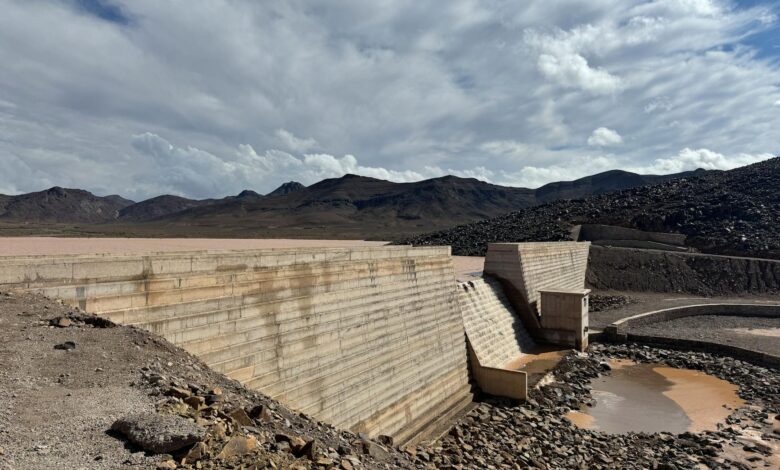
Water trucks line dusty roads in Chennai, their drivers arriving before dawn to serve neighborhoods that haven’t seen tap water in months. India’s fourth-largest city has become the poster child for a national crisis that’s reaching unprecedented levels across the subcontinent. Major reservoirs have dropped to their lowest recorded levels, forcing millions to depend on increasingly expensive private water suppliers while industries shut down and farmers abandon their fields.
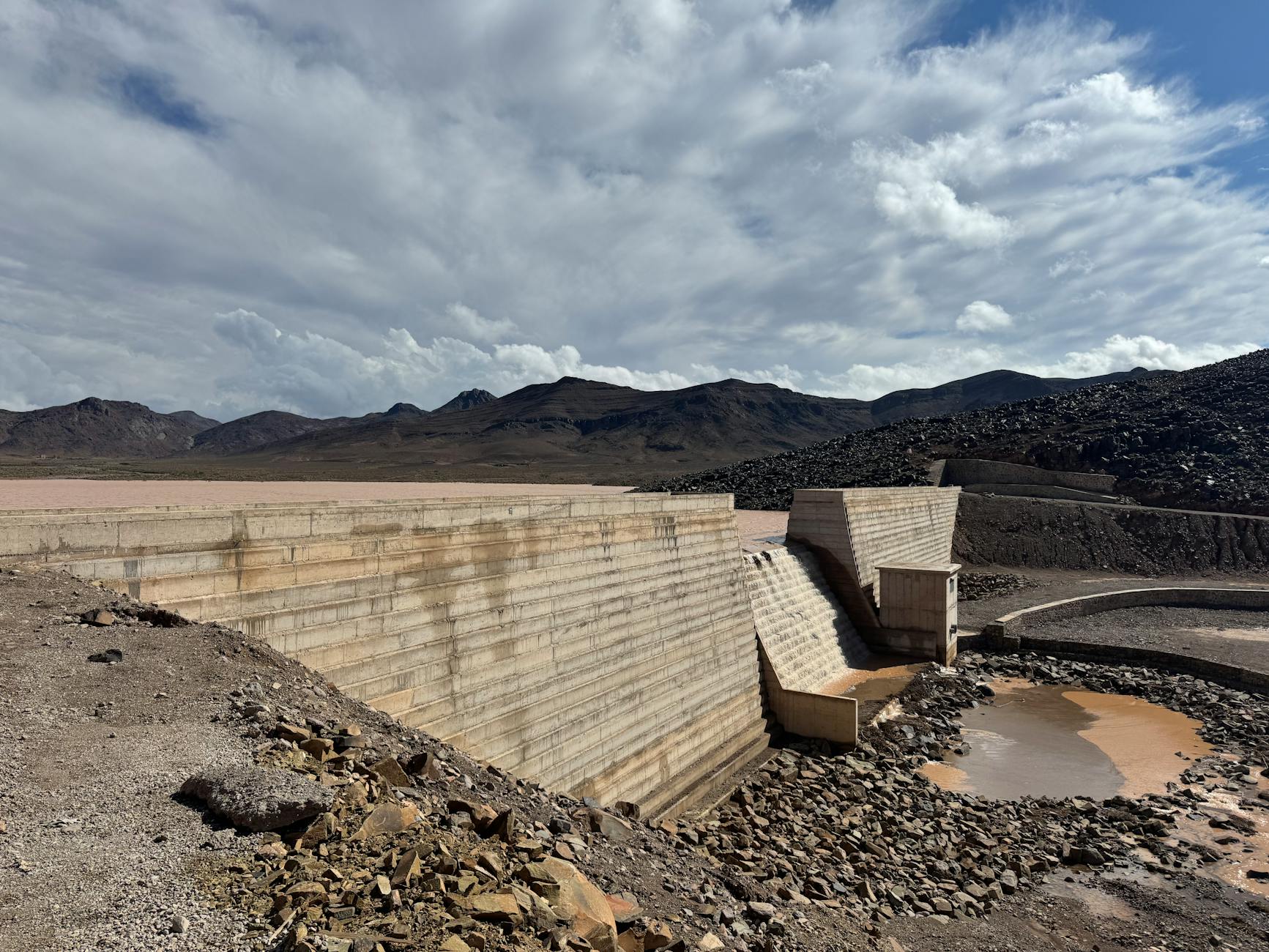
The numbers paint a stark picture. The Central Water Commission reports that 91 major reservoirs across India are operating at just 20% of their total capacity, compared to the historical average of 40% for this time of year. Cities from Mumbai to Bengaluru are implementing severe water rationing, while rural areas in Maharashtra, Karnataka, and Tamil Nadu face their worst drought conditions in over four decades.
Urban Centers Buckle Under Water Shortage Pressure
Chennai’s Day Zero moment came earlier this year when the city’s four main reservoirs ran completely dry, forcing its 7 million residents to rely entirely on groundwater and emergency supplies trucked in from distant sources. The Tamil Nadu government has deployed over 9,500 water tankers daily, but demand far exceeds supply. Hotels have closed, IT companies have asked employees to work from home, and residential complexes have imposed strict usage limits.
Similar scenes are playing out across urban India. Bengaluru, the country’s tech hub, has seen groundwater levels drop by 60% compared to last year. The Karnataka government has banned the use of potable water for construction and washing vehicles. In Mumbai, the Brihanmumbai Municipal Corporation has implemented a 10% water cut across all areas, with some suburbs facing supply only on alternate days.
The Shimla crisis offers a glimpse of what’s coming to other hill stations. The popular tourist destination, which depends heavily on natural springs and monsoon rainfall, has been forced to impose a strict rationing system. Hotels report occupancy rates dropping by 40% as tourists avoid destinations with severe water restrictions.
Delhi’s situation remains precarious despite the Yamuna River flowing through the city. Groundwater depletion has accelerated, with the Delhi Jal Board reporting that water levels in monitoring wells have dropped to critical levels. The city government has launched an aggressive rainwater harvesting campaign, but implementation remains slow.
Agricultural Catastrophe Unfolds Across Farming Belts
The water crisis has devastated India’s agricultural heartland. In Maharashtra’s Marathwada region, over 40,000 farmers have migrated to cities in search of work after consecutive failed harvests. Sugarcane farmers, who typically consume large amounts of water, are switching to less water-intensive crops or abandoning farming altogether.
Karnataka’s Cauvery basin, traditionally one of India’s most fertile regions, resembles a parched landscape. Dairy farmers are selling their cattle because they cannot afford to buy water for livestock. The state government estimates that agricultural output will drop by 30% this year, pushing food prices higher across the country.
Punjab, India’s grain bowl, faces a different but equally serious challenge. Decades of intensive farming have depleted groundwater to alarming levels. Bore wells that once struck water at 20 feet now require drilling to 200 feet or deeper. The state’s famous wheat and rice production model is becoming unsustainable without massive irrigation overhaul.
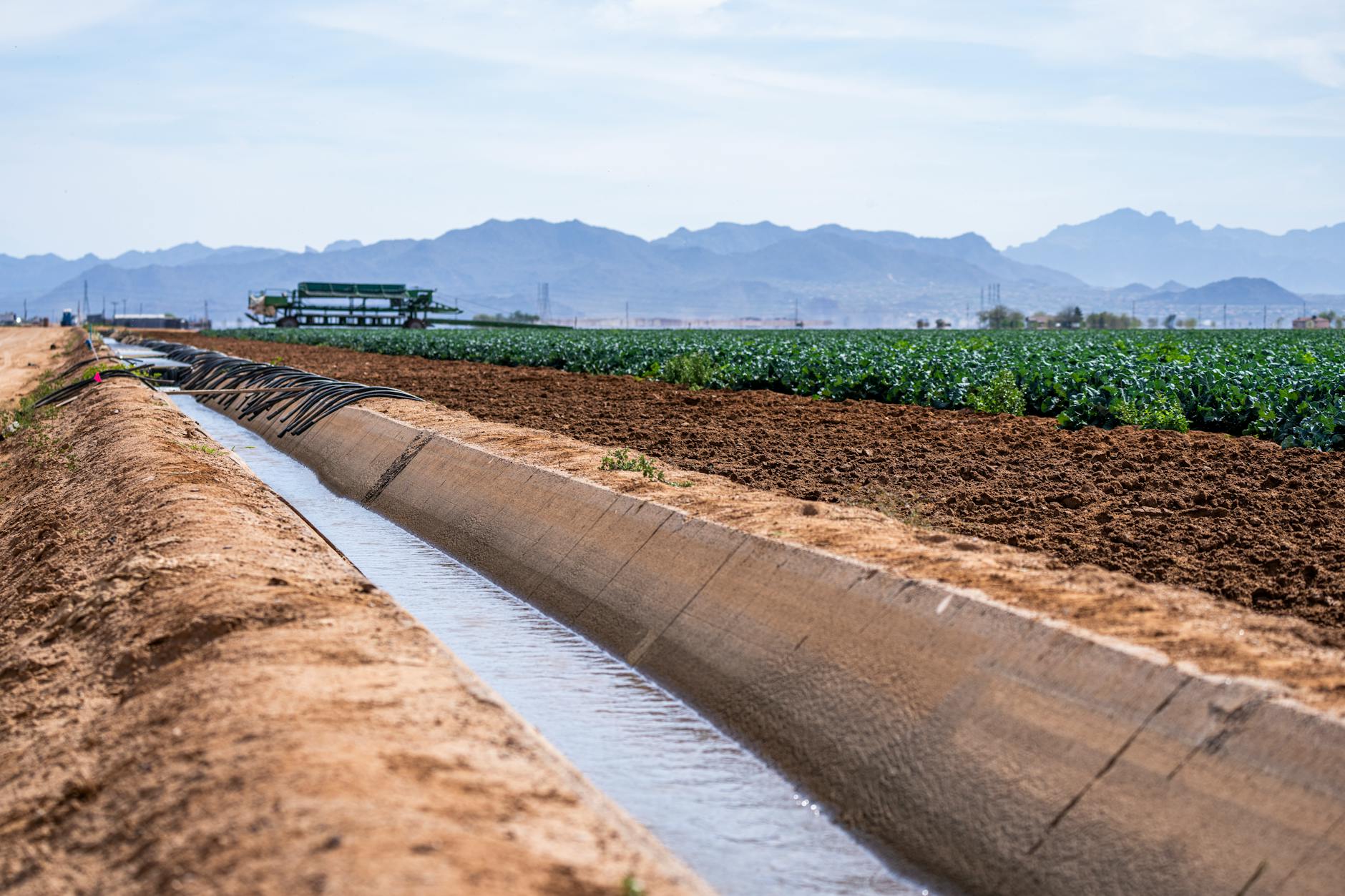
Cotton farmers in Gujarat and Telangana are bearing the brunt of inconsistent water supply. Many have switched to rain-fed crops, but even these are failing due to erratic monsoon patterns. The ripple effects extend beyond farms to cotton mills and textile factories, which are reducing production or relocating to areas with better water access.
The livestock sector faces its own crisis. Dairy cooperatives in Rajasthan report milk production dropping by 25% as farmers struggle to provide adequate water for cattle. Traditional water sources like village ponds have dried up completely, forcing communities to depend on tanker supplies that arrive irregularly.
Industrial Impact and Economic Consequences Mount
India’s industrial sector is grappling with water shortages that threaten production across multiple sectors. Automobile manufacturers in Chennai have suspended operations periodically due to water scarcity. Hyundai and Ford have implemented water recycling systems, but these measures provide only temporary relief.
The pharmaceutical industry, concentrated in Hyderabad and Pune, faces particular challenges since drug manufacturing requires large quantities of ultra-pure water. Several companies have invested in advanced water treatment plants, but rising costs are affecting profit margins and potentially drug prices.
Textile mills in Tamil Nadu and Karnataka, already struggling with global competition, now face the additional burden of securing water for dyeing and processing operations. Many smaller units have closed temporarily, affecting employment in rural areas where these mills provide significant economic support.
The IT sector, while less water-intensive than manufacturing, still faces disruptions. Tech parks in Bengaluru and Pune have installed rainwater harvesting systems and signed agreements with private water suppliers, but irregular supply affects employee attendance and operational efficiency.
Power generation has also been impacted. Thermal power plants require massive amounts of water for cooling, and several plants in Telangana and Karnataka have reduced output due to insufficient water supply. This creates a vicious cycle where power shortages affect water pumping and treatment facilities.

Government Response and Long-term Solutions
The central government has announced a national water mission with significant funding for infrastructure projects, but implementation remains slow and uneven across states. The Jal Jeevan Mission aims to provide piped water connections to every household by 2024, but current progress suggests this timeline is unrealistic given the severity of the crisis.
Inter-state water disputes continue to complicate coordinated responses. The Cauvery water sharing dispute between Karnataka and Tamil Nadu exemplifies how political boundaries hinder effective resource management. Recent Supreme Court directives have provided some clarity, but enforcement remains challenging.
Groundwater regulation has become a priority, with several states implementing licensing systems for new bore wells. However, monitoring existing wells and preventing illegal extraction requires resources that many state governments lack. The Central Ground Water Board has identified over 250 blocks across India as “over-exploited” or “critical.”
Desalination projects offer hope for coastal cities, but high energy costs and environmental concerns limit their scope. Chennai’s new desalination plant provides some relief, but similar facilities require years to plan and construct. Private sector participation in water infrastructure development is increasing, but regulatory frameworks need strengthening.
Climate change adaptation strategies are finally receiving attention at the policy level. The India Meteorological Department is improving drought forecasting systems, while agricultural research institutes develop drought-resistant crop varieties. However, as seen with record-breaking wildfires forcing mass evacuations across Australian wine country, extreme weather events are becoming more frequent and severe globally.
The path forward requires coordinated action across sectors, from improving water use efficiency to investing in alternative sources and better distribution systems. India’s ability to manage this crisis will determine not just immediate survival for millions, but the country’s long-term economic stability and food security. The time for incremental changes has passed – only transformative action can address a crisis that threatens to reshape the subcontinent’s future.
Frequently Asked Questions
How severe is India’s current water crisis?
Major reservoirs are at just 20% capacity compared to 40% historical average, with cities implementing severe rationing and rural areas facing worst drought in decades.
Which Indian cities are most affected by water shortages?
Chennai, Bengaluru, Mumbai, and Delhi are experiencing severe water stress with rationing, tanker supplies, and restrictions on non-essential water use.