

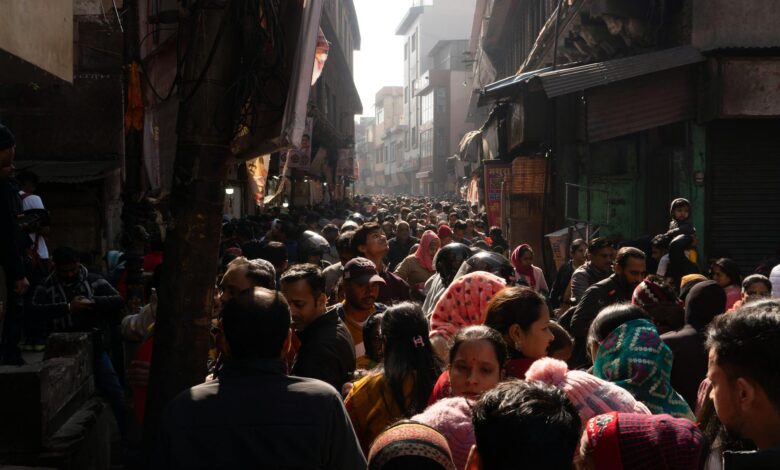
A historic demographic milestone has been reached as India officially surpasses China to become the world’s most populous nation, according to the latest United Nations Population Division data. With an estimated 1.428 billion people, India now edges ahead of China’s 1.425 billion, marking the end of China’s centuries-long reign as the global population leader.
The shift represents more than just numbers on a spreadsheet. This demographic transition signals a fundamental realignment of global influence, economic potential, and geopolitical power that will reshape international relations for decades to come. Unlike China’s aging population and declining birth rates, India’s demographic profile shows a younger, more dynamic society poised for continued growth.
The Numbers Behind the Historic Shift
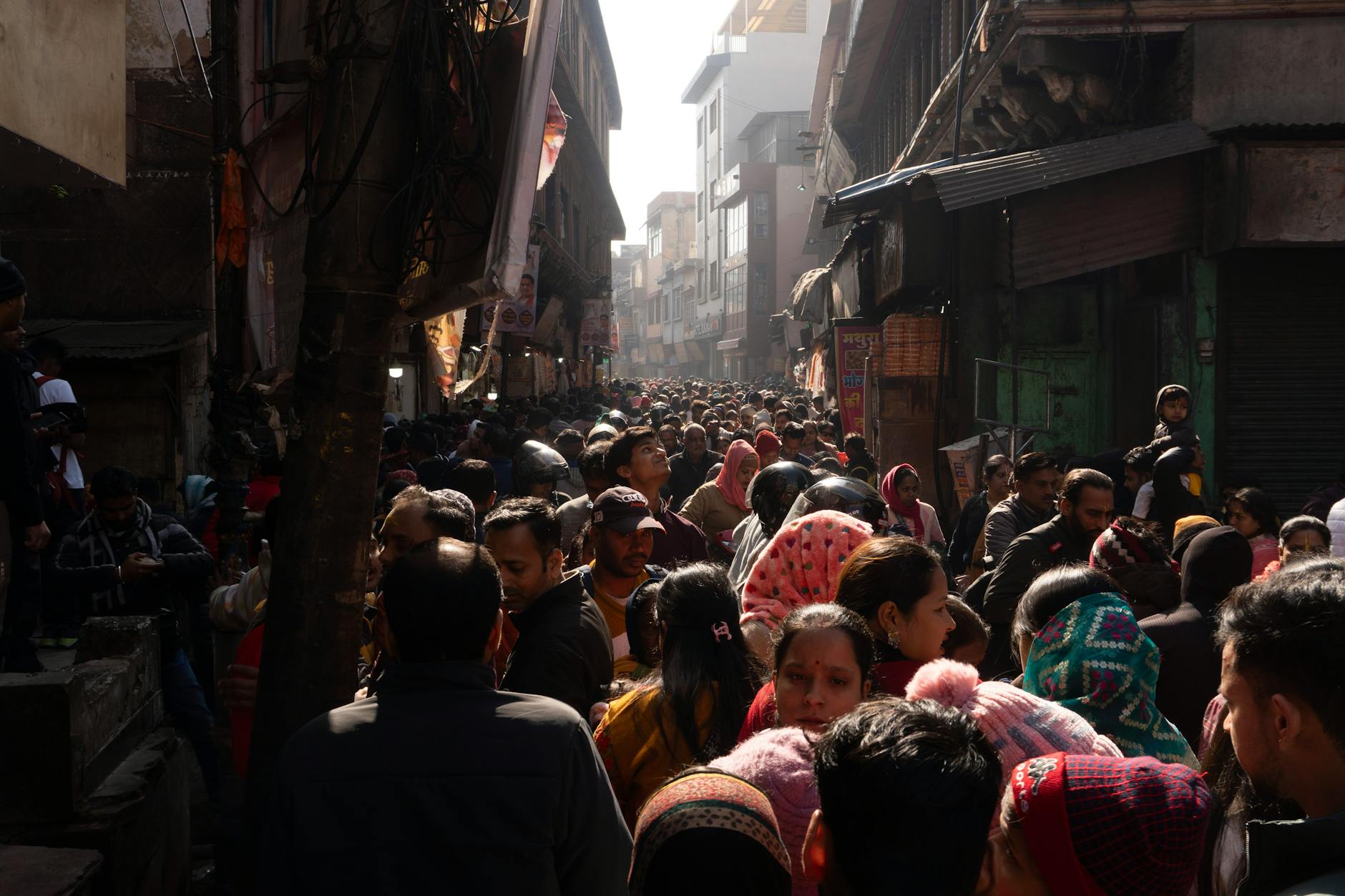
India’s population growth has been decades in the making, with consistent annual increases of approximately 10-15 million people. The country’s fertility rate, while declining from previous generations, remains at replacement level at 2.1 children per woman. This contrasts sharply with China’s fertility rate of 1.2, well below the replacement threshold.
China’s population peaked in 2022 at approximately 1.426 billion before beginning its decline, driven by decades of the one-child policy implemented from 1979 to 2015. Despite relaxing these restrictions to allow two children in 2015 and three children in 2021, China has been unable to reverse the demographic trends that experts predict will see its population fall to around 1.3 billion by 2050.
India’s demographic dividend is particularly striking in its age distribution. Nearly 40% of Indians are under 25 years old, creating what economists call a “demographic dividend” – a large working-age population relative to dependents. This young workforce could drive economic growth for the next two decades, provided the country can create sufficient employment opportunities and educational infrastructure.
The regional distribution within India tells its own story. States like Uttar Pradesh and Bihar continue to experience rapid population growth, while southern states like Tamil Nadu and Kerala have seen fertility rates drop below replacement level. This internal variation mirrors global patterns and suggests India’s own demographic transition is already underway.
Economic Implications and Opportunities
The demographic shift creates both unprecedented opportunities and significant challenges for India’s economy. With the world’s largest workforce, India is positioned to become a manufacturing powerhouse, potentially benefiting from companies seeking alternatives to China in their supply chains.
Major global corporations are already responding to this demographic reality. Technology companies, manufacturing firms, and service providers are increasing their investments in India, recognizing the potential of its massive consumer market and skilled workforce. The country’s digital infrastructure, including widespread mobile connectivity and digital payment systems, positions it well to leverage its population advantage in the modern economy.
However, this opportunity comes with substantial infrastructure demands. India must create approximately 10-12 million jobs annually to absorb new entrants into the workforce. The country’s education system faces pressure to skill this massive population for modern economic sectors, while healthcare infrastructure must expand to serve growing urban populations.

The urbanization trend adds another layer of complexity. India’s urban population is expected to reach 600 million by 2036, requiring massive investments in housing, transportation, and utilities. Cities like Mumbai, Delhi, and Bangalore are already strained by rapid population growth, highlighting the need for sustainable urban planning.
India’s consumer market potential cannot be overstated. With a growing middle class and increasing disposable income, the country represents the world’s largest untapped consumer base. Industries from automobiles to entertainment are recalibrating their global strategies to capture this demographic dividend.
Social and Environmental Challenges
While India celebrates this demographic milestone, it also faces significant challenges in managing the world’s largest population sustainably. Water scarcity affects nearly 600 million Indians, and the country’s groundwater levels are declining rapidly due to overexploitation and climate change.
Air quality remains a critical concern, particularly in northern Indian cities where pollution levels regularly exceed World Health Organization safety standards. The challenge of providing clean energy to power economic growth while managing environmental impact has become increasingly urgent.
Gender demographics present both opportunities and concerns. While India’s sex ratio has improved in recent years, certain regions still show concerning imbalances. Women’s workforce participation, at around 20%, remains well below global averages, representing both a challenge and an enormous untapped potential for economic growth.
Healthcare infrastructure faces unprecedented pressure. India’s doctor-to-patient ratio remains well below WHO recommendations, and rural areas continue to experience significant healthcare access challenges. The COVID-19 pandemic highlighted these infrastructure gaps, prompting increased government investment in healthcare capacity.
Educational access and quality vary significantly across regions and economic classes. While India produces world-class technical talent, primary education completion rates and literacy levels still lag in certain areas, particularly among marginalized communities.
Global Implications and Future Outlook
India’s emergence as the world’s most populous nation reshapes global geopolitics and economics in profound ways. The country’s voice in international forums, from climate negotiations to trade agreements, carries increased weight as it represents nearly one-fifth of humanity.
The demographic transition also influences global migration patterns and international labor markets. India’s large English-speaking population and growing technical expertise make it an increasingly important source of skilled workers for developed economies facing their own demographic challenges.
Regional dynamics in Asia are shifting as well. India’s growing population and economy create new opportunities for partnership with neighboring countries, while also intensifying competition for resources and influence. Recent agreements between major powers, including energy partnerships that reshape regional economics, demonstrate how demographic changes influence international relationships.
Climate change adds urgency to India’s development challenges. As the world’s most populous nation, India’s approach to sustainable development will significantly impact global climate goals. The country has committed to ambitious renewable energy targets and net-zero emissions by 2070, but achieving these goals while lifting hundreds of millions out of poverty requires innovative approaches and international cooperation.
The demographic milestone marks not just a statistical achievement but a fundamental shift in global influence. How India manages this transition – creating opportunities for its young population while addressing infrastructure and environmental challenges – will determine not only the country’s future but also have far-reaching implications for global prosperity and stability. The world watches as India embarks on this unprecedented demographic journey, knowing that its success or failure will resonate far beyond its borders.
Frequently Asked Questions
When did India become the world’s most populous country?
India officially surpassed China as the most populous nation in 2023, according to UN Population Division data.
What are the main challenges India faces with this population milestone?
Key challenges include creating sufficient jobs, improving infrastructure, managing urbanization, and addressing environmental sustainability concerns.