
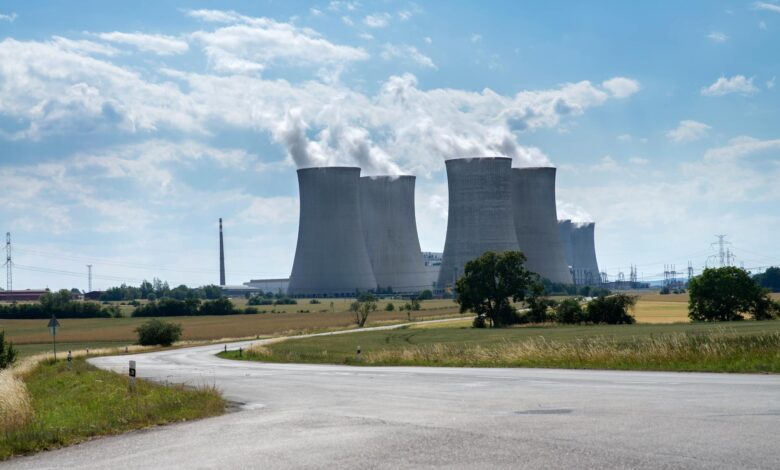
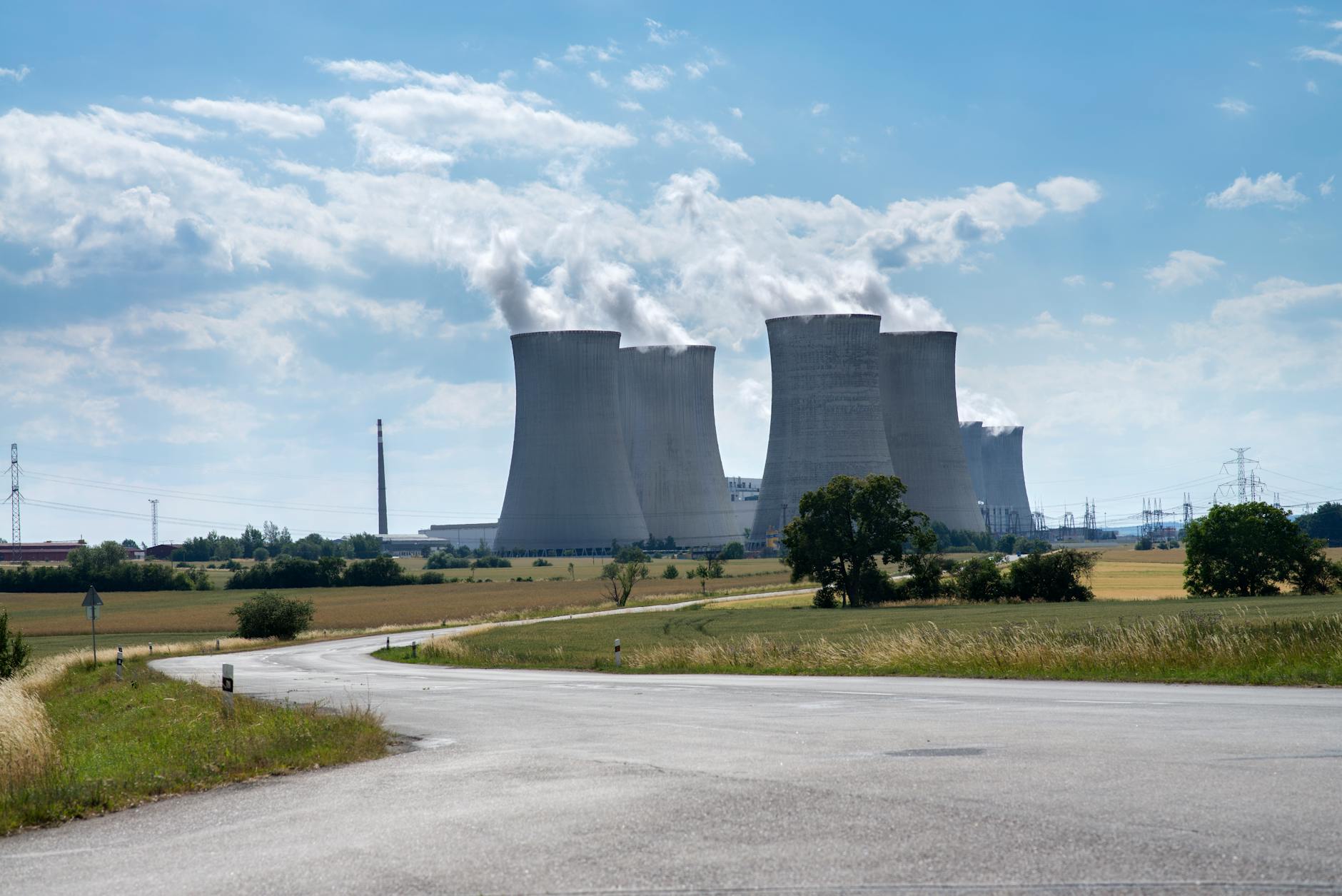
The lights went out for the last time at Germany’s final nuclear power plants on April 15, 2023, marking the end of an era that began in the 1960s. As the Isar 2, Emsland, and Neckarwestheim 2 reactors shut down permanently, Germany became the first major industrialized nation to phase out both nuclear energy and coal power while maintaining one of Europe’s most robust economies.
This historic transition comes as renewable energy sources hit a remarkable milestone, generating over 50% of Germany’s electricity for the first time in 2023. The achievement represents the culmination of the Energiewende, Germany’s ambitious energy transformation that has reshaped not just the nation’s power grid, but influenced energy policy across Europe and beyond.
The Final Chapter of Germany’s Nuclear Era
The shutdown of Germany’s last three nuclear reactors eliminates approximately 4% of the country’s total electricity generation capacity. These plants had been operating under temporary extensions since their original 2022 shutdown date, granted to help navigate energy security concerns following Russia’s invasion of Ukraine and subsequent disruption of gas supplies.
Isar 2, located in Bavaria, began operations in 1988 and became one of Germany’s most productive nuclear facilities. The Emsland plant in Lower Saxony started generating power in 1988, while Neckarwestheim 2 in Baden-Württemberg has been operational since 1989. Together, these three reactors produced enough electricity to power millions of German homes.
The decision to permanently close nuclear facilities stems from legislation passed in 2011 following the Fukushima disaster in Japan. Chancellor Angela Merkel’s government accelerated the nuclear phase-out timeline, originally set for completion by 2036, moving it up to 2022. The final closure was delayed by just months due to the energy crisis triggered by the conflict in Ukraine.
Environmental groups celebrated the milestone as vindication of their decades-long campaign against nuclear power. “This is a historic day for environmental protection in Germany,” said a spokesperson for Greenpeace Germany. “We have proven that a major industrial nation can prosper without nuclear energy while building a sustainable energy future.”
Renewable Energy Surge Breaks Records
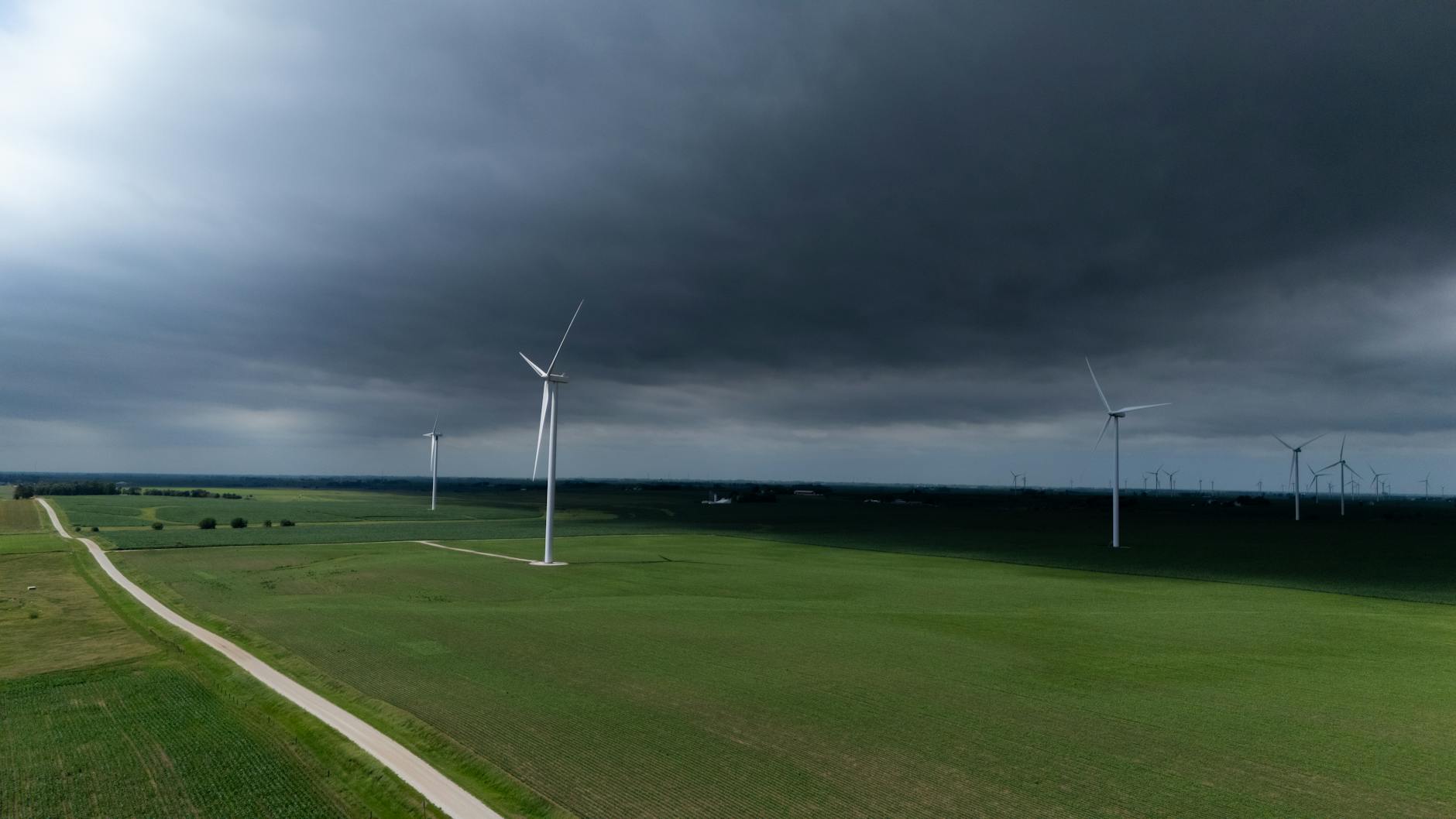
Germany’s renewable energy sector has experienced unprecedented growth, with wind and solar installations rapidly expanding across the country. Wind power now represents the largest single source of electricity generation, accounting for approximately 25% of total production. Solar installations have multiplied dramatically, particularly rooftop systems on residential and commercial buildings.
The renewable milestone reflects massive investments in clean energy infrastructure over the past two decades. Germany has installed over 60 gigawatts of wind capacity and more than 65 gigawatts of solar capacity. Offshore wind farms in the North Sea and Baltic Sea contribute increasingly significant amounts of clean electricity to the national grid.
Battery storage technology and grid modernization have played crucial roles in managing the intermittent nature of renewable sources. Smart grid systems now automatically balance supply and demand, while large-scale battery installations store excess renewable energy during peak production periods for use when wind and sun are insufficient.
The transformation has created hundreds of thousands of jobs in renewable energy sectors. Manufacturing facilities for wind turbines, solar panels, and energy storage systems have established operations throughout Germany, particularly in regions transitioning away from coal mining and heavy industry.
Economic and Environmental Implications
Germany’s energy transition carries significant economic implications, with electricity prices remaining among the highest in Europe. Industrial consumers face particular challenges as energy-intensive sectors like steel production and chemical manufacturing adapt to higher power costs. Some companies have relocated production to countries with lower energy prices, raising concerns about industrial competitiveness.
However, the shift has also sparked innovation in energy efficiency and industrial processes. German manufacturers have developed cutting-edge technologies for renewable energy production, energy storage, and smart grid management that are now exported globally. The cleantech sector has become a major contributor to Germany’s export economy.
Environmental benefits have been substantial, with carbon emissions from electricity generation declining dramatically. Germany’s power sector emissions have fallen by more than 40% since 2000, despite the country maintaining its position as Europe’s largest economy. Air quality improvements in urban areas have contributed to public health benefits, particularly in regions previously dependent on coal-fired power plants.
The transition has influenced energy policy across Europe, with neighboring countries accelerating their own renewable energy programs. Recent energy partnerships between major powers demonstrate the global significance of energy security and independence.
Challenges and Future Outlook
Despite remarkable progress, Germany faces ongoing challenges in completing its energy transformation. Natural gas continues to play a significant role as a backup power source during periods of low renewable generation. The country has accelerated construction of liquefied natural gas terminals to reduce dependence on Russian pipeline gas while building additional renewable capacity.
Grid infrastructure requires continued expansion and modernization to handle increasing renewable energy flows. Transmission lines connecting wind-rich northern regions with industrial centers in the south need significant upgrades. Local communities sometimes resist new transmission projects, creating delays in grid development.
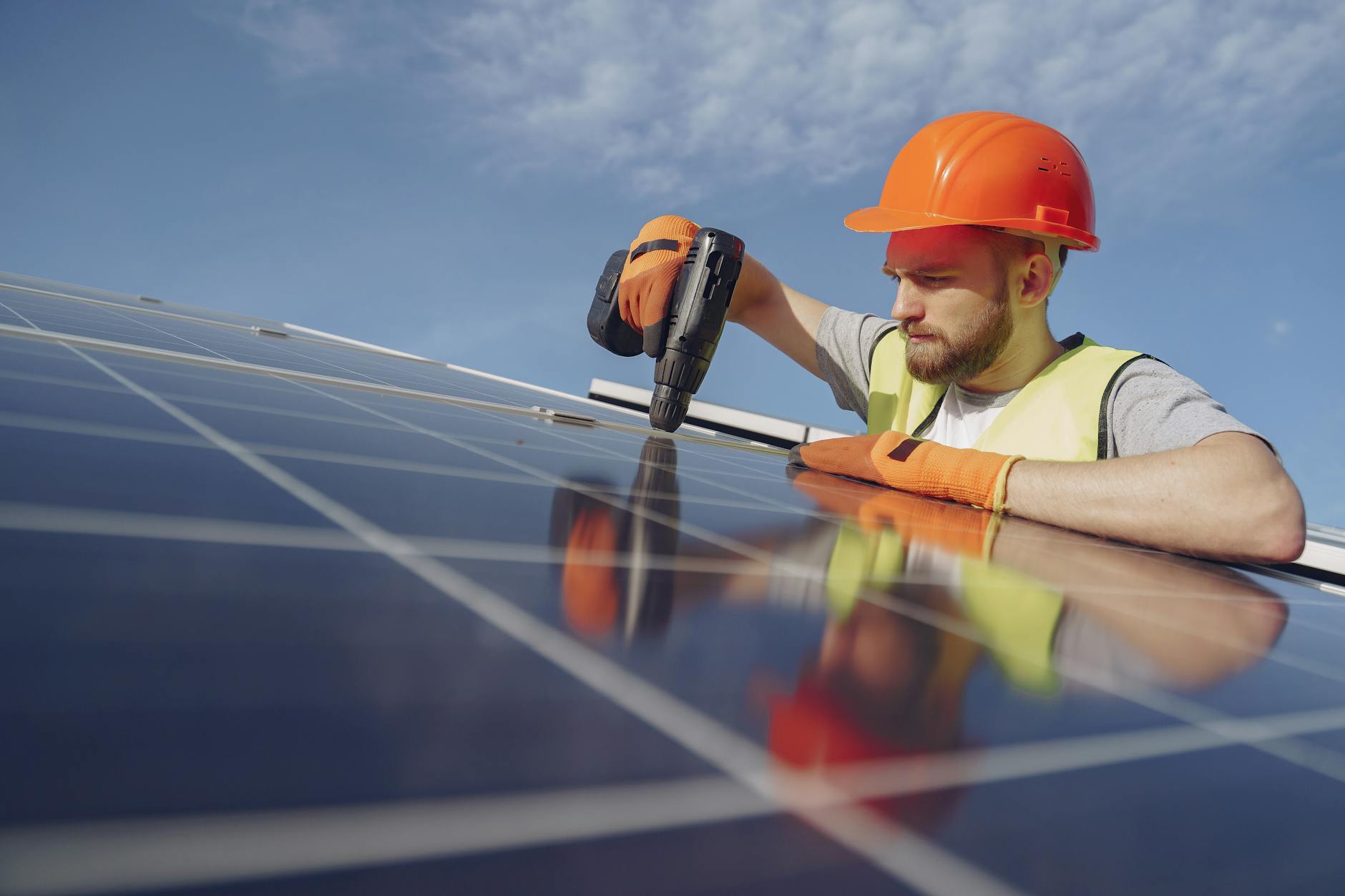
Energy storage remains a critical challenge as renewable sources provide larger shares of electricity. While battery technology costs have declined rapidly, massive storage installations needed for seasonal energy balancing remain expensive. Research into hydrogen production and storage offers potential solutions for long-term energy storage needs.
Germany aims to achieve carbon neutrality by 2045, requiring further acceleration of renewable energy deployment and efficiency improvements. The government has committed to installing 200 gigawatts of wind and solar capacity by 2030, nearly doubling current renewable installations within this decade.
The successful closure of nuclear power while maintaining economic growth demonstrates that major energy transitions are achievable with sufficient political will and investment. Germany’s experience provides valuable lessons for other nations pursuing similar clean energy transformations, showing both the possibilities and complexities of reshaping entire energy systems.
As Europe’s largest economy enters this new chapter without nuclear power, the world watches closely. The next few years will test whether Germany can maintain energy security while achieving its ambitious climate goals through renewables alone.
Frequently Asked Questions
When did Germany close its last nuclear power plant?
Germany shut down its final three nuclear reactors on April 15, 2023, ending decades of nuclear power generation.
What percentage of Germany’s electricity comes from renewables?
Renewable energy sources now generate over 50% of Germany’s electricity, marking a historic milestone in 2023.