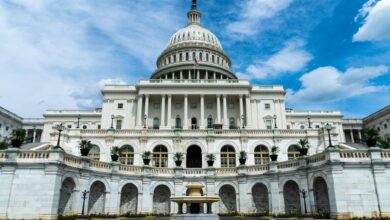

The European Union has taken a historic step forward in expanding its borders eastward. Parliament members gathered in Strasbourg to cast votes that could reshape the continent’s political landscape for decades to come. Ukraine’s bid for EU membership, once considered a distant possibility, now moves closer to reality following years of conflict and democratic reforms.
The vote represents more than procedural advancement-it signals Europe’s commitment to supporting Ukraine’s sovereignty while strengthening the union’s eastern frontier. Members of Parliament from across the political spectrum voiced support for Ukraine’s integration, citing the country’s resilience during wartime and progress toward democratic institutions.
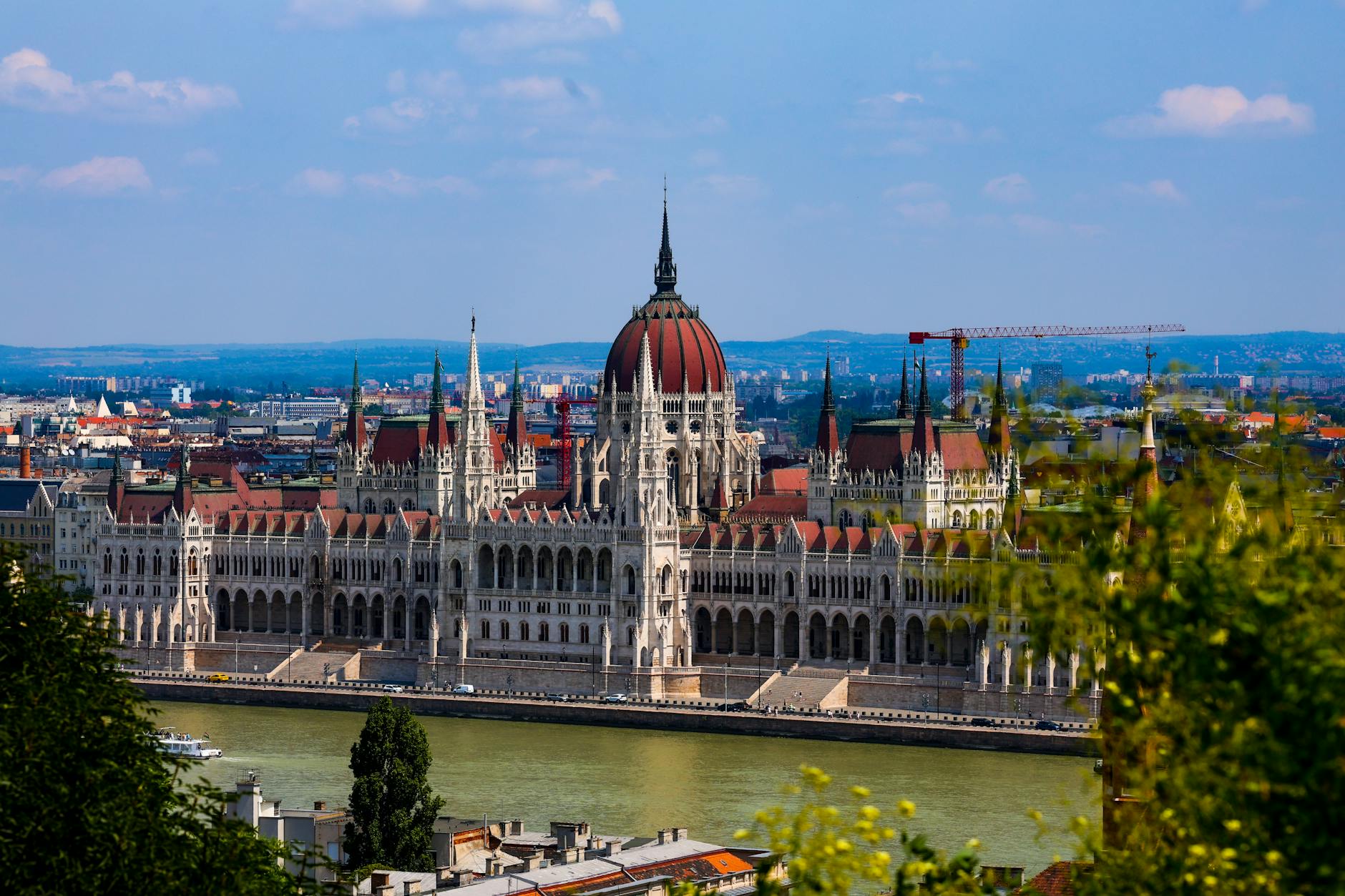
Parliamentary Support Crosses Party Lines
The resolution passed with overwhelming support, drawing backing from center-right, socialist, and liberal parliamentary groups. German MEP Ursula von der Leyen emphasized Ukraine’s transformation since 2014, highlighting anti-corruption measures and judicial reforms that align with EU standards.
French representatives noted Ukraine’s commitment to European values during its ongoing conflict with Russia. “Ukraine has demonstrated its dedication to democracy under extraordinary circumstances,” said one French parliamentarian during floor debates.
Polish MEPs, representing a nation that shares extensive borders with Ukraine, argued for expedited membership procedures. They pointed to successful integration of Eastern European nations in previous expansion waves as precedent for Ukraine’s inclusion.
The vote also addressed concerns about agricultural markets and labor migration. Parliament members acknowledged these challenges while maintaining that gradual integration processes can address potential disruptions to existing member states.
Economic Integration and Reform Requirements
Ukraine’s path to full membership involves extensive economic restructuring. The country must align its legal framework with EU regulations across sectors including finance, agriculture, and environmental protection. Parliamentary discussions revealed expectations for continued progress on these fronts.
Energy sector reforms received particular attention during debates. Ukraine’s energy infrastructure, damaged during conflict, requires modernization to meet EU standards. Parliament members discussed potential funding mechanisms to support these improvements.

Anti-corruption efforts remain central to membership requirements. Ukrainian officials have implemented new oversight mechanisms and transparency measures that Parliament members recognized as significant progress. However, sustained implementation will determine the timeline for full integration.
Trade relations between Ukraine and existing EU members have already expanded under association agreements. Parliamentary supporters noted increased agricultural exports and growing commercial ties as evidence of successful economic integration.
The resolution also addressed Ukraine’s substantial debt burden and reconstruction costs. Parliament members suggested coordinated European investment programs to support infrastructure rebuilding while maintaining fiscal responsibility standards.
Regional Security Implications
Ukraine’s EU membership carries significant geopolitical weight beyond economic considerations. Parliament members acknowledged the strategic importance of strengthening Europe’s eastern borders through institutional integration.
NATO membership discussions often arise alongside EU expansion debates, though Parliament focused specifically on civilian integration rather than military alliance considerations. The distinction remains important as Ukraine navigates multiple international relationships.
Regional neighbors including Poland, Slovakia, and Hungary have expressed varying levels of support for Ukrainian membership. Parliamentary debates reflected these diverse perspectives while maintaining overall support for expansion.
Russian responses to EU expansion have historically included economic pressure and diplomatic protests. Parliament members discussed potential challenges while reaffirming Europe’s right to determine its own membership criteria and procedures.
The vote also considered broader implications for other aspiring member states in the Balkans and Eastern Europe. Moldova and Georgia have expressed interest in EU membership, and Ukraine’s progress could influence their applications.
Next Steps and Timeline Considerations
The parliamentary vote initiates formal membership negotiations, though full integration typically requires several years. Croatia’s membership process, completed in 2013, took approximately six years from application to full membership.
Ukraine’s unique circumstances-including active conflict and extensive reconstruction needs-may extend traditional timelines. Parliament members emphasized the importance of meeting all membership criteria rather than rushing the process.
Similar to how legislative packages in the United States require careful consideration, EU expansion involves multiple approval stages across member nations.
Each existing EU member state must ratify Ukraine’s membership through national parliamentary processes. This requirement ensures broad European support while potentially creating additional hurdles if domestic opposition emerges in any member country.
The European Commission will now prepare detailed assessment reports on Ukraine’s readiness across various policy areas. These evaluations will guide negotiation priorities and identify areas requiring additional reform efforts.
Looking ahead, Ukraine’s EU membership represents a significant shift in European geopolitical alignment. The parliamentary vote demonstrates institutional support for expanding European integration eastward, potentially reshaping continental relationships for generations. Success will depend on sustained commitment from both Ukrainian reformers and European partners to navigate complex integration challenges while maintaining democratic principles and economic stability.
Frequently Asked Questions
How long does EU membership typically take?
EU membership processes usually take several years, with Croatia’s integration taking approximately six years from application to completion.
What reforms must Ukraine complete for EU membership?
Ukraine must align legal frameworks with EU standards, implement anti-corruption measures, modernize energy infrastructure, and meet economic requirements.