

Power Revolution Transforms the Horn of Africa
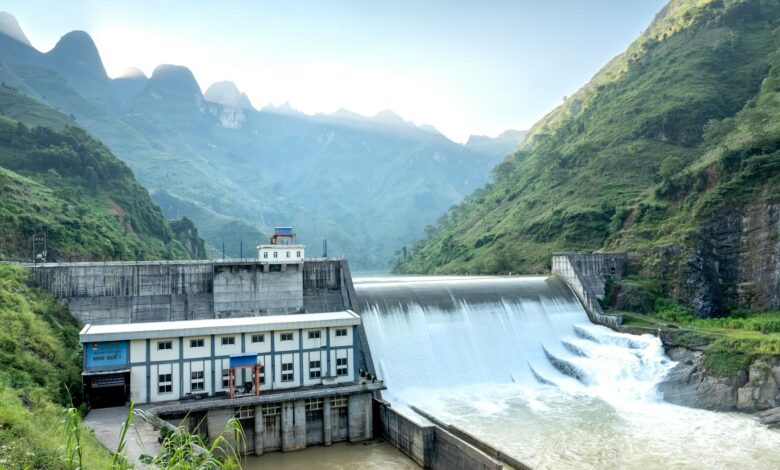
The Grand Ethiopian Renaissance Dam stands as more than concrete and steel – it represents Africa’s boldest leap toward energy independence. This month, Ethiopia officially launches the continent’s largest renewable energy facility, a hydroelectric powerhouse that will generate enough electricity to light up entire nations while reshaping regional geopolitics forever.
Spanning the Blue Nile with its massive 1.8-kilometer-long structure, the dam marks a turning point for a continent where over 600 million people still lack access to electricity. Ethiopia’s ambitious project promises to double the country’s power generation capacity while positioning the nation as East Africa’s energy hub.
Engineering Marvel Overcomes Decade of Challenges
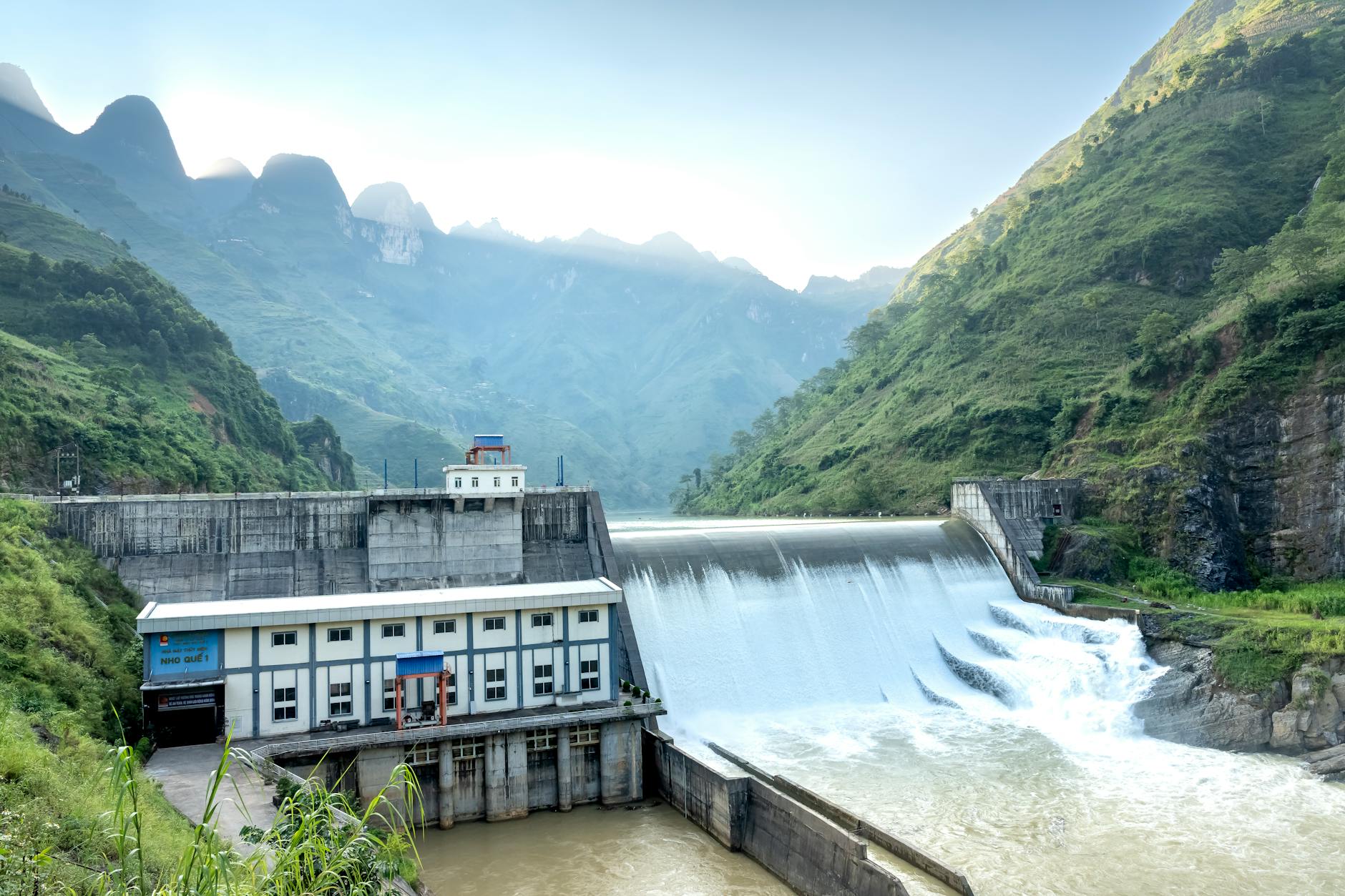
Construction began in 2011 amid international controversy and technical hurdles that would have deterred lesser ambitions. The project faced criticism from downstream neighbors Egypt and Sudan, who worried about water access and flooding risks. Despite diplomatic tensions and funding obstacles, Ethiopian engineers pressed forward with unwavering determination.
The facility’s two massive turbines began initial operations last year, but this month’s official launch marks the completion of the dam’s primary infrastructure. When fully operational, the complex will house 16 turbines generating approximately 6,450 megawatts of clean energy – enough to power roughly 100 million homes across the region.
“This represents more than infrastructure development,” explains Dr. Sarah Mitchell, an energy analyst specializing in African renewable projects. “Ethiopia is demonstrating that African nations can lead massive engineering undertakings without relying entirely on foreign expertise or funding.”
The construction employed over 12,000 workers, with 90% drawn from local communities. Ethiopian universities partnered with international engineering firms to train domestic specialists in hydroelectric technology, creating a skilled workforce that can maintain and expand the country’s renewable energy sector.
Regional Impact Beyond Borders
Ethiopia’s energy ambitions extend far beyond national boundaries. The country has already signed electricity export agreements with neighboring Kenya, Sudan, and Djibouti, with plans to expand sales throughout East Africa. This regional approach mirrors successful renewable energy models in other parts of the world.
The timing aligns with broader continental initiatives promoting sustainable development. Like Singapore’s recent climate labeling requirements, Ethiopia’s renewable focus reflects growing global awareness of environmental responsibility, though on a much larger infrastructure scale.
Regional governments view the project as a catalyst for industrialization and economic growth. Kenya expects to reduce energy costs by 30% through Ethiopian electricity imports, while Sudan anticipates powering rural communities that have never had reliable electrical access. The interconnected power grid will create energy security through diversification – if one country faces supply issues, neighbors can provide backup power.
Water management remains a complex diplomatic challenge. Egypt, heavily dependent on Nile waters for agriculture and drinking supplies, continues negotiating agreements to ensure the dam’s operations won’t severely impact downstream flows. Recent talks suggest progress toward mutually acceptable water-sharing protocols that balance Ethiopia’s energy needs with Egypt’s agricultural requirements.
Economic Transformation Through Clean Energy
The dam’s economic implications extend far beyond electricity generation. Ethiopia projects the facility will save the country $1 billion annually in fuel imports while generating substantial export revenue. These savings will fund healthcare, education, and additional infrastructure projects across the developing nation.
Manufacturing sectors anticipate significant benefits from reliable, affordable electricity. Textile factories, food processing plants, and technology companies have already announced expansion plans contingent on the dam’s full operation. The World Bank estimates that improved electricity access could boost Ethiopia’s GDP by 2-3% annually over the next decade.
Tourism opportunities also emerge from the project. The dam’s visitor center and surrounding recreational areas are attracting international attention, similar to how major infrastructure projects in other countries become tourist destinations. Local communities are developing hospitality services to accommodate visitors interested in seeing Africa’s largest renewable energy facility.
Blueprint for Africa’s Energy Future
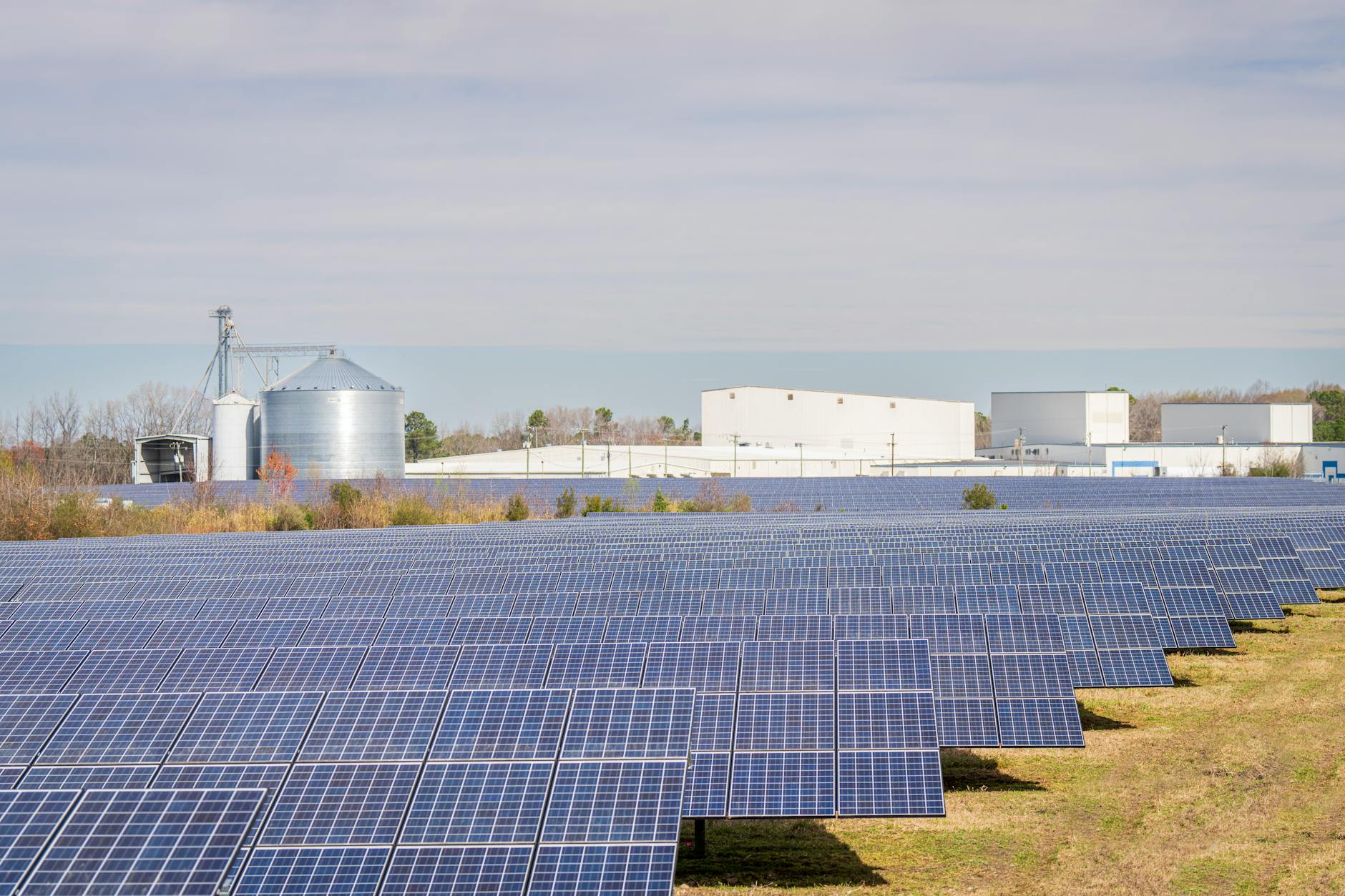
Ethiopia’s success provides a template for other African nations pursuing large-scale renewable projects. The country’s approach – combining hydroelectric power with solar and wind installations – demonstrates how developing nations can leapfrog traditional fossil fuel dependence.
Other countries are already following Ethiopia’s lead. Ghana recently announced plans for a similar dam project, while Tanzania is exploring wind energy installations that could serve multiple East African markets. The regional cooperation model pioneered by Ethiopia shows how infrastructure development can strengthen continental unity rather than creating competition.
Climate scientists emphasize the global importance of such projects. As developed nations struggle to transition from fossil fuels, African countries like Ethiopia are building their energy systems around renewable sources from the ground up. This approach avoids the costly retrofitting required in industrialized nations while providing immediate environmental benefits.
The dam represents more than infrastructure – it symbolizes African engineering capability and economic self-determination. As the facility reaches full capacity over the coming months, Ethiopia positions itself as a renewable energy leader whose success will inspire similar projects across the continent. The power flowing from the Blue Nile will illuminate not just homes and businesses, but Africa’s path toward sustainable prosperity.
Frequently Asked Questions
How much power will Ethiopia’s new renewable energy plant generate?
The facility will generate approximately 6,450 megawatts when fully operational, enough to power roughly 100 million homes.
Which countries will benefit from Ethiopia’s renewable energy exports?
Ethiopia has signed electricity export agreements with Kenya, Sudan, and Djibouti, with plans to expand throughout East Africa.