
The People’s Liberation Army launched extensive live-fire military exercises in waters near the Taiwan Strait early Tuesday morning, marking the latest escalation in regional tensions. The drills, involving naval vessels, aircraft, and missile systems, began at dawn and continued throughout the day, with Taiwan’s defense ministry confirming multiple incursions into its air defense identification zone.
Chinese state media described the exercises as “routine training operations” designed to test combat readiness and joint operational capabilities. However, the timing and scale suggest a more pointed message to both Taipei and Washington, coming just weeks after high-level diplomatic exchanges between Taiwan and several democratic nations.
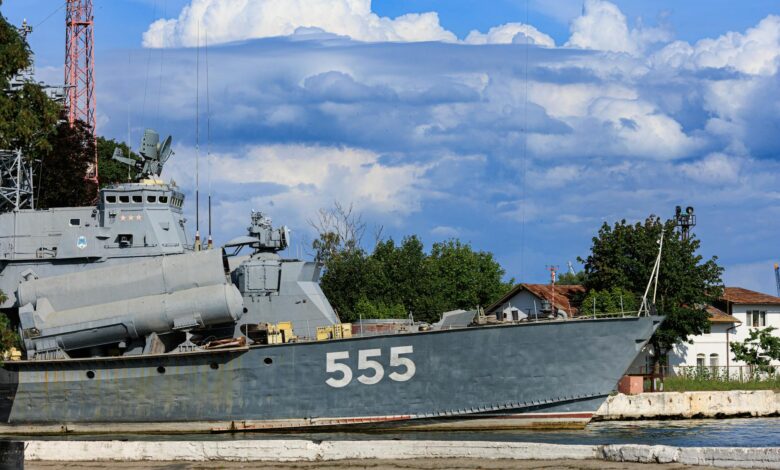
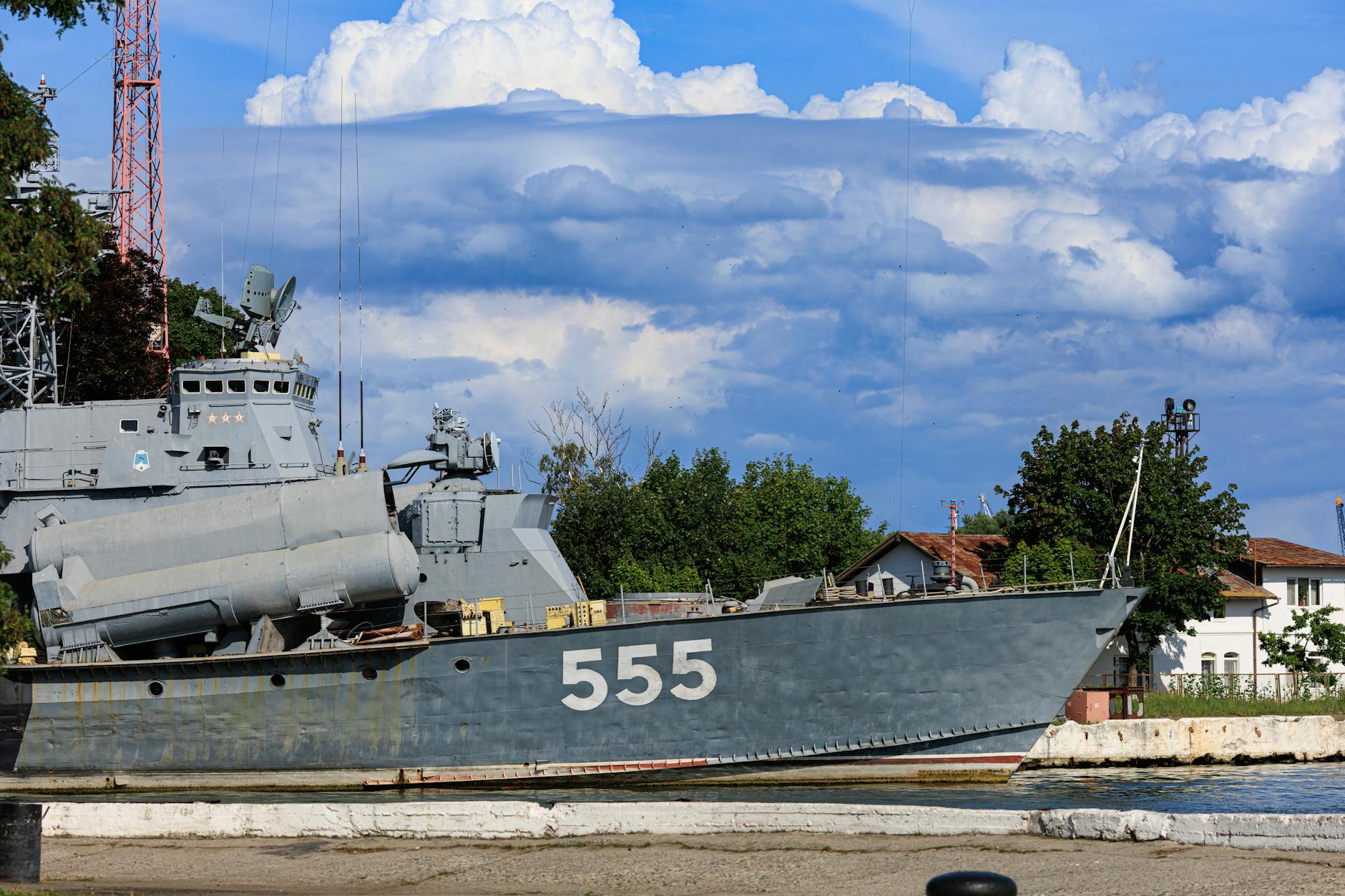
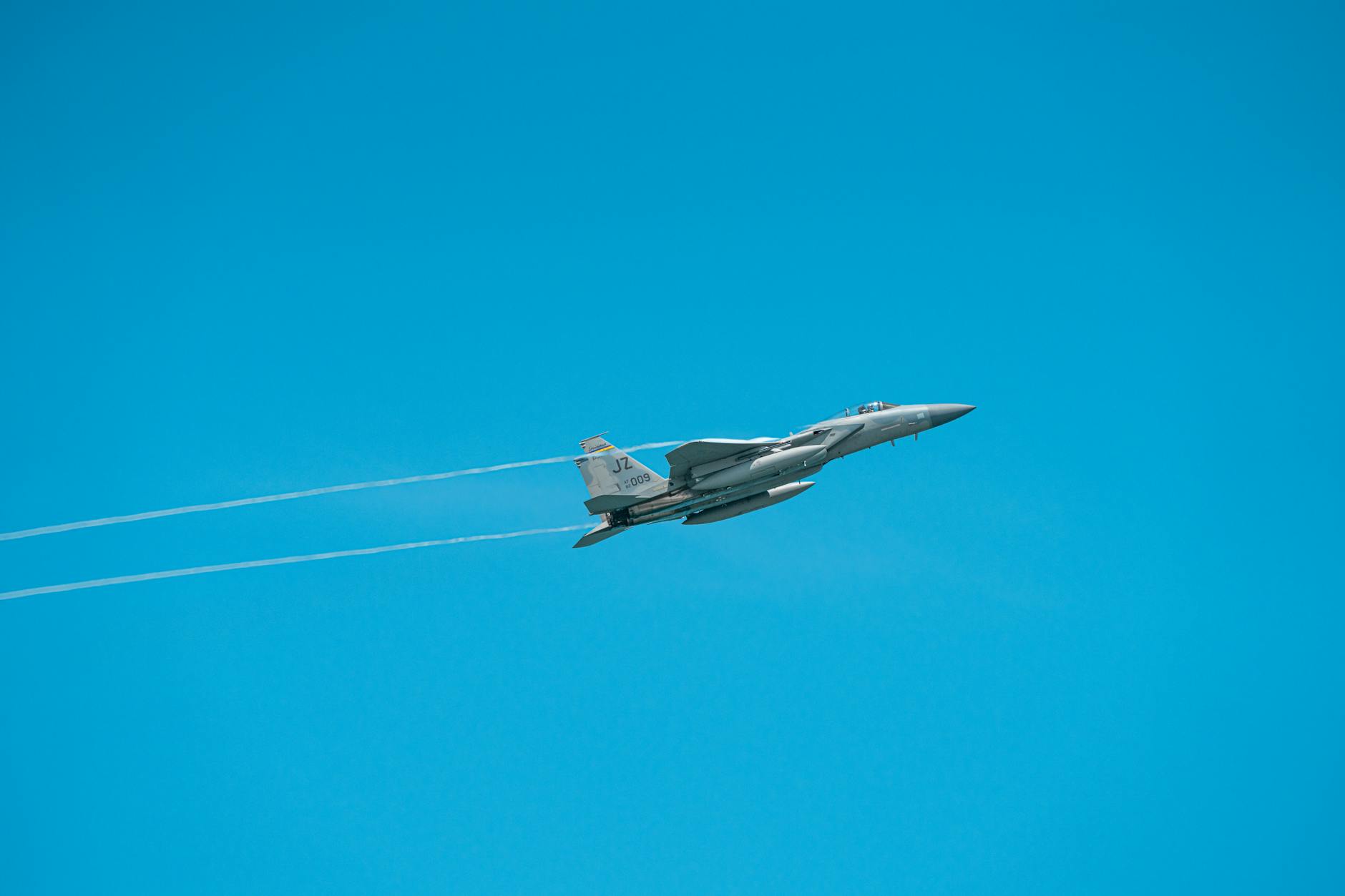
The exercises involved destroyers, frigates, and amphibious assault ships from the Eastern Theater Command, supported by fighter jets and bomber aircraft. Taiwan’s Ministry of National Defense reported tracking at least 15 Chinese military aircraft crossing the median line of the Taiwan Strait, with several vessels approaching within 12 nautical miles of Taiwan’s territorial waters.
Strategic Timing Raises International Concerns
The military exercises coincide with heightened diplomatic activity in the region. Taiwan recently hosted delegations from multiple democratic nations, strengthening economic and technological partnerships that Beijing views as challenges to its “One China” principle. The timing appears calculated to demonstrate China’s military capabilities while sending a clear warning about Taiwan’s increasing international engagement.
Regional analysts note the exercises follow a familiar pattern of Chinese military responses to Taiwan’s diplomatic activities. Each time Taiwan gains international recognition or support, Beijing typically responds with military demonstrations designed to reassert its claims over the island.
The United States Seventh Fleet confirmed it was monitoring the situation closely, with naval assets positioned in international waters throughout the region. Japan’s Self-Defense Forces also increased surveillance flights, reflecting growing concerns among regional allies about potential spillover effects from any conflict in the Taiwan Strait.
Military Capabilities on Full Display
Intelligence reports indicate the Chinese exercises featured some of the military’s most advanced systems. The drills included anti-ship missile launches, air-to-air combat scenarios, and amphibious landing simulations on nearby uninhabited islands. The scale and complexity demonstrate significant improvements in the PLA’s joint operational capabilities over recent years.
Taiwan’s defense establishment responded by placing its forces on elevated alert status and conducting its own readiness exercises. The island’s military emphasized its defensive preparations while avoiding any actions that might be perceived as provocative.
The exercises also served as a testing ground for China’s newer military technologies, including updated radar systems and electronic warfare capabilities. Military observers noted the integration of cyber warfare elements alongside traditional kinetic operations, reflecting modern battlefield realities.
Regional and Global Implications
The live-fire exercises sent ripple effects throughout regional markets, with shipping companies adjusting routes to avoid potential conflict zones. Taiwan’s semiconductor industry, crucial to global supply chains, maintained normal operations but acknowledged monitoring the situation closely.
International reactions varied, with the United States calling for restraint from all parties while reaffirming support for Taiwan’s defensive capabilities. European Union officials expressed concern about escalating tensions affecting global trade routes, while Southeast Asian nations emphasized the importance of maintaining peace and stability in the region.
The exercises occurred against the backdrop of broader geopolitical tensions, including ongoing trade disputes and technological competition between major powers. Some analysts drew parallels to recent severe weather events that have disrupted global supply chains, noting how regional conflicts can have similarly widespread economic impacts.
Military experts emphasized that while the exercises demonstrate growing Chinese capabilities, they also highlight the complex challenges of any potential military action across the Taiwan Strait. The 100-mile-wide waterway presents significant logistical obstacles for amphibious operations, requiring extensive coordination and favorable weather conditions.
Looking Ahead: Diplomatic Responses and Future Scenarios
The international community now faces the challenge of responding to China’s latest military demonstration without further escalating tensions. Diplomatic channels remain active, with various nations calling for dialogue and peaceful resolution of differences through established international frameworks.
Taiwan’s government maintained its position of neither provoking nor backing down from Chinese pressure, emphasizing its commitment to maintaining the status quo while building defensive capabilities. The island’s leadership stressed the importance of international support in maintaining regional stability.
The exercises serve as a reminder of the delicate balance required to maintain peace in one of the world’s most strategically important regions. As global attention focuses on multiple international crises simultaneously, the Taiwan Strait situation demands continued diplomatic engagement to prevent miscalculations that could have far-reaching consequences.
Future developments will likely depend on the international community’s response and China’s assessment of the exercises’ effectiveness in achieving their intended goals. The coming weeks will be crucial in determining whether tensions continue to escalate or if diplomatic efforts can help de-escalate the situation while addressing underlying concerns from all parties involved.
Frequently Asked Questions
What type of military exercises did China conduct near Taiwan?
China launched live-fire exercises involving naval vessels, fighter jets, bombers, and missile systems in waters near the Taiwan Strait.
How did Taiwan respond to the Chinese military exercises?
Taiwan placed its forces on elevated alert status and conducted readiness exercises while avoiding provocative actions.