
China just dropped the environmental policy bombshell the world has been waiting for. The nation that produces more plastic waste than any other country announced a complete ban on single-use plastics, effective January 1, 2027. This sweeping legislation will eliminate plastic bags, straws, utensils, and food containers from the world’s second-largest economy, potentially reshaping global manufacturing and waste management forever.
The announcement came during a joint press conference between China’s Ministry of Ecology and Environment and the National Development and Reform Commission, marking the most aggressive anti-plastic stance taken by any major economy. With China’s 1.4 billion consumers and massive manufacturing base, this decision will ripple through supply chains worldwide.
The Scope of China’s Plastic Revolution
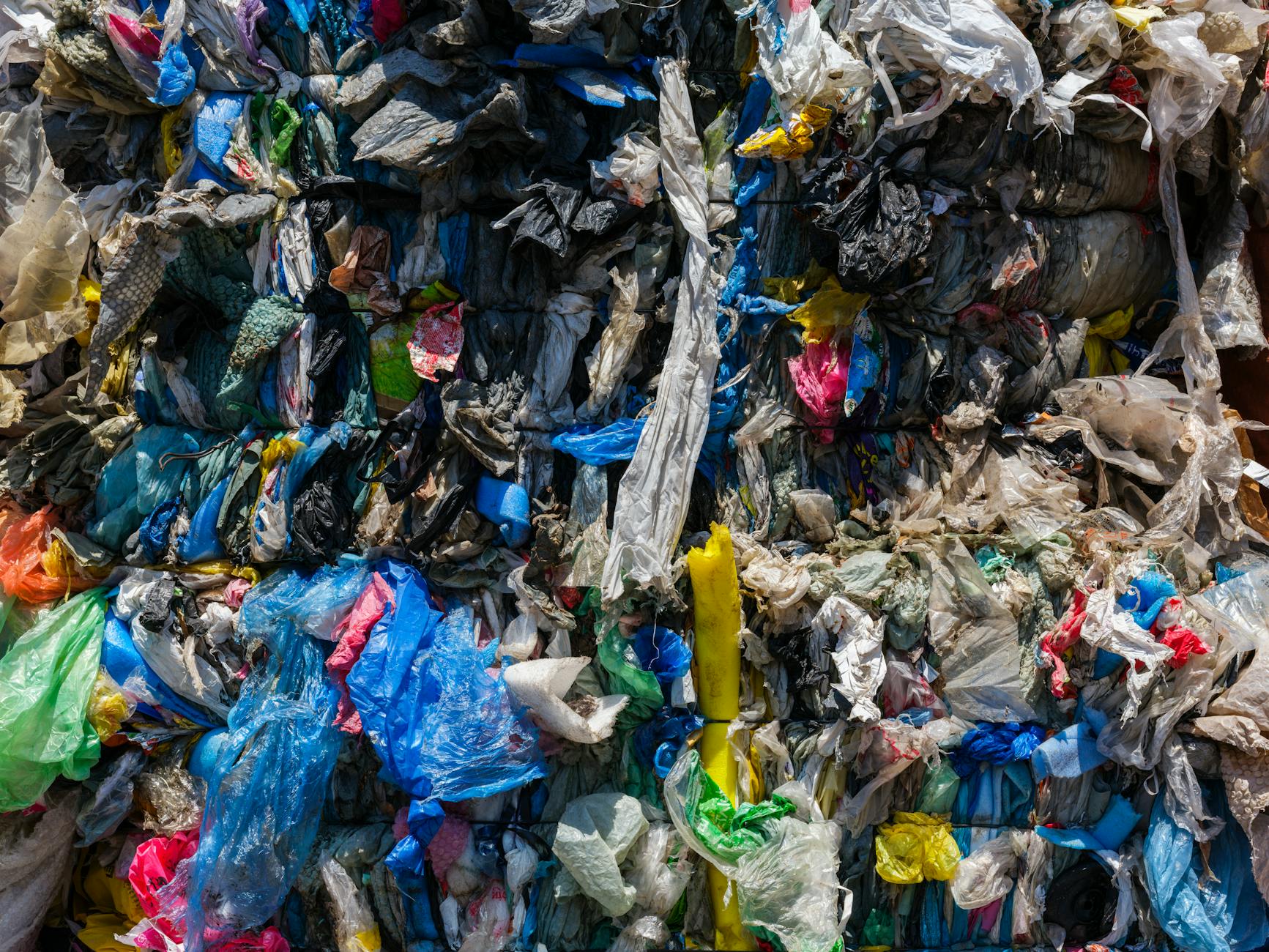
The ban encompasses virtually every single-use plastic item imaginable. Plastic shopping bags, food delivery containers, disposable cutlery, straws, stirrers, and even plastic wrapping for fresh produce will be prohibited. The legislation extends beyond consumer goods to include industrial packaging materials and single-use items in manufacturing processes.
China’s State Council estimates the ban will eliminate approximately 45 million tons of single-use plastic waste annually. To put this in perspective, that’s roughly equivalent to the combined plastic waste of the entire European Union. The policy applies to all businesses operating within Chinese borders, including multinational corporations and foreign-owned facilities.
The timeline allows companies three years to transition to alternative materials or redesign their operations entirely. This grace period acknowledges the massive logistical challenges ahead, particularly for industries like food delivery, retail, and manufacturing that rely heavily on disposable packaging.
Enforcement mechanisms include hefty fines for businesses caught using banned materials, with penalties ranging from $10,000 for small violations to $1 million for large-scale commercial infractions. The government plans to deploy thousands of environmental inspectors nationwide to monitor compliance.
Economic Shockwaves and Industry Transformation
The economic implications are staggering. China’s plastic manufacturing industry, valued at over $300 billion annually, faces fundamental restructuring. Thousands of factories producing disposable plastic goods will need to retool or shut down entirely. However, the government simultaneously announced $50 billion in subsidies for companies developing biodegradable alternatives and sustainable packaging solutions.
Major international brands are scrambling to adapt. McDonald’s, KFC, and Starbucks, which operate thousands of locations across China, have already begun testing paper-based packaging and reusable container programs. E-commerce giants like Alibaba and JD.com are investing heavily in biodegradable shipping materials and refillable packaging systems.
The ripple effects extend far beyond China’s borders. Southeast Asian countries, which have become dumping grounds for global plastic waste, are watching closely. Similar environmental pressures in other regions, including Pakistan’s ongoing climate challenges, have created momentum for coordinated regional action on environmental policies.
Agricultural sectors face particular challenges. Fresh produce packaging, which relies heavily on plastic films and containers to maintain freshness during transport, requires innovative solutions. The government is fast-tracking approval processes for plant-based packaging materials and edible food wrappings developed by Chinese biotechnology companies.
Global Environmental Impact and International Response
Environmental scientists are calling this China’s most significant climate action since the Paris Agreement commitments. The ban could prevent an estimated 180 million tons of plastic from entering landfills and oceans over the next decade. Marine biologists particularly celebrate the potential reduction in Pacific Ocean plastic pollution, much of which originates from East Asian manufacturing centers.
International environmental organizations are cautiously optimistic but stress that success depends on robust enforcement and genuine alternatives. The Ocean Conservancy notes that previous plastic reduction initiatives in various countries have struggled with implementation gaps and insufficient replacement products.
Other major economies are closely monitoring China’s approach. The European Union, already implementing its own single-use plastic restrictions, may accelerate similar comprehensive bans. India, facing severe plastic pollution in major cities, has expressed interest in adopting comparable measures.
The timing coincides with growing global environmental awareness following recent climate disasters worldwide. While countries like those affected by Germany’s recent political upheavals over energy policy grapple with balancing environmental concerns and economic stability, China’s decisive action sets a new benchmark for environmental leadership.
Innovation and Alternative Solutions
Chinese companies are racing to develop viable alternatives. Startup companies are creating packaging from seaweed, mushroom-based materials, and agricultural waste. Traditional manufacturers are pivoting toward paper, bamboo, and metal alternatives, though questions remain about the environmental impact of increased production in these sectors.
The food delivery industry, which exploded during COVID-19 lockdowns, represents the biggest challenge and opportunity. Companies like Meituan and Ele.me are piloting reusable container programs where customers receive deposits for returning packaging. Early trials show promising results, though scaling nationwide remains complex.
Technology solutions are emerging rapidly. QR code-based tracking systems allow restaurants to monitor reusable container circulation. Mobile apps help consumers locate refillable packaging stations and recycling drop-off points. Artificial intelligence is being deployed to optimize supply chains for biodegradable materials.
Research institutions are also contributing breakthrough innovations. Chinese universities have developed plastic-eating enzymes that could help process existing waste stockpiles, while materials science programs focus on creating stronger, more versatile biodegradable alternatives that match traditional plastic performance.
Looking Ahead: A Plastic-Free Future
China’s bold move signals a potential turning point in the global fight against plastic pollution. The three-year implementation period provides a crucial testing ground for alternatives that could reshape packaging industries worldwide. Success in the world’s largest manufacturing hub could prove that comprehensive plastic bans are economically viable and environmentally essential.
However, challenges remain enormous. Rural areas with limited infrastructure may struggle with alternative disposal systems. Small businesses face disproportionate adaptation costs. International trade relationships will shift as global supply chains adapt to China’s new requirements.
The policy’s ultimate success will depend on seamless coordination between government enforcement, corporate innovation, and consumer behavior changes. If China can successfully eliminate single-use plastics while maintaining economic growth, it may provide the roadmap for a global transformation that environmental scientists have long deemed necessary but politically impossible.
The countdown to January 2027 has begun, and the world is watching to see whether the planet’s most populous nation can lead humanity into a post-plastic era.
Frequently Asked Questions
When does China’s single-use plastic ban take effect?
The comprehensive ban on single-use plastics in China becomes effective January 1, 2027, giving businesses three years to transition.
What plastic items will be banned in China?
The ban covers plastic bags, straws, utensils, food containers, packaging materials, and virtually all disposable plastic items used by consumers and businesses.