

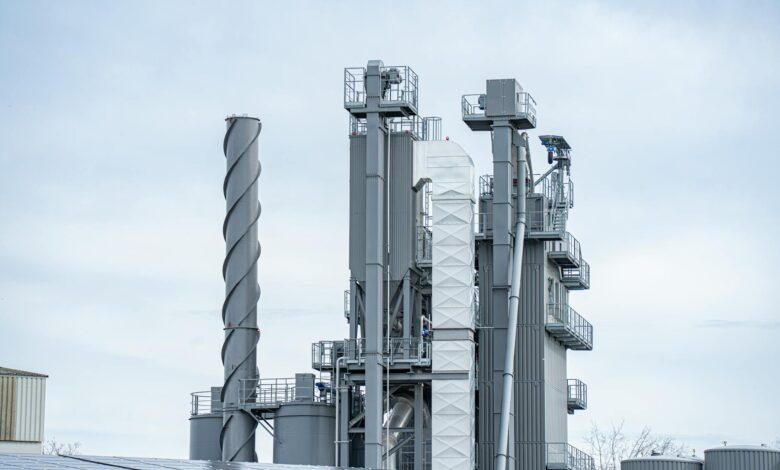
Mexico’s Tijuana region is witnessing a historic transformation as Chinese manufacturers establish their largest North American production hub just miles from the U.S. border. The joint initiative, backed by both governments, represents a seismic shift in global supply chains as companies seek to reduce shipping times and costs while maintaining competitive production capabilities.
The manufacturing complex spans over 2,000 acres in Tijuana’s industrial corridor, where Chinese automotive, electronics, and textile companies are setting up operations alongside established Mexican manufacturers. This collaboration leverages Mexico’s proximity to U.S. markets and existing trade relationships through the USMCA agreement, while Chinese firms bring advanced manufacturing techniques and capital investment.
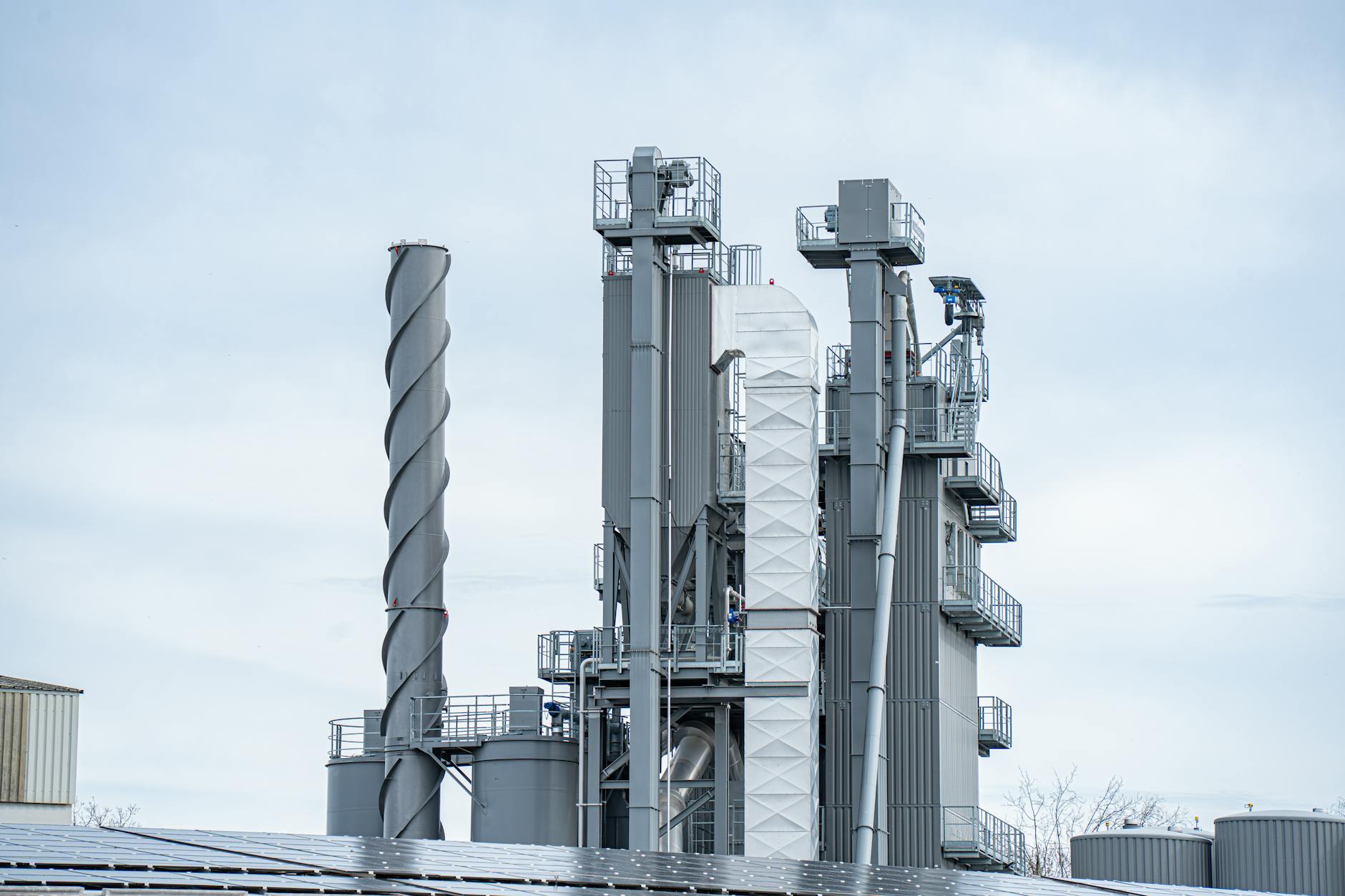
Strategic Location Drives Investment Wave
Tijuana’s position as Mexico’s manufacturing powerhouse makes it an ideal location for this bilateral venture. The city already hosts over 600 maquiladora factories producing everything from medical devices to aerospace components. Chinese companies are now adding their expertise in electric vehicle components, semiconductor assembly, and consumer electronics manufacturing.
The hub’s development follows months of negotiations between Chinese industrial groups and Mexican officials. Companies like BYD, which has established automotive assembly operations, and electronics manufacturers from Shenzhen are leading the charge. These firms cite reduced shipping times to U.S. markets – from weeks by ocean freight to days by truck – as a primary motivation.
Mexican officials report that the partnership will create approximately 15,000 new jobs over the next three years. Workers are receiving training in Chinese manufacturing processes while Chinese technicians learn Mexican labor practices and regulations. This cultural exchange is happening in dedicated training centers within the hub.
Technology Transfer and Manufacturing Innovation
The collaboration goes beyond simple factory relocation. Chinese companies are sharing advanced automation technologies and quality control systems with their Mexican partners. Solar panel manufacturing, electric vehicle battery assembly, and precision electronics production are among the key sectors benefiting from this knowledge transfer.
Local suppliers are adapting to meet the exacting standards required by Chinese manufacturers. Mexican steel producers, plastic component manufacturers, and packaging companies are upgrading their capabilities to serve the new facilities. This ripple effect is modernizing the entire regional supply chain.

The hub features shared research and development facilities where Mexican engineers work alongside Chinese counterparts on product improvements and cost reductions. These joint teams are developing manufacturing processes specifically optimized for the North American market while maintaining the efficiency standards of Chinese production.
Economic Impact and Trade Implications
Economic analysts project the manufacturing hub will generate over $3 billion in annual production value once fully operational. This figure represents products destined primarily for U.S. and Canadian markets, taking advantage of USMCA trade benefits that Chinese companies couldn’t access when manufacturing in mainland China.
The initiative is reshaping regional economics in ways similar to how defense partnerships are transforming Eastern Europe. Local banks are establishing Chinese-language services, logistics companies are adding Mandarin-speaking staff, and restaurants serving authentic Chinese cuisine are opening throughout Tijuana.
Banking relationships between Mexico and China are strengthening as financial institutions facilitate currency exchanges and international transfers for the manufacturing operations. Mexican banks are partnering with Chinese financial institutions to provide specialized services for the growing business community.
The hub’s success is attracting attention from other countries seeking similar partnerships. Representatives from Vietnam, Thailand, and Brazil have visited Tijuana to study the model for potential replication in their regions.
Challenges and Future Expansion
Despite the promising start, the venture faces significant challenges. Language barriers persist in daily operations, requiring extensive translation services and bilingual management teams. Cultural differences in business practices, work schedules, and decision-making processes require ongoing attention and adaptation.
Environmental concerns have emerged as production ramps up. Both governments are implementing strict monitoring systems to ensure the manufacturing processes meet North American environmental standards. Water usage, air quality, and waste management protocols are under constant review.

Infrastructure demands are straining regional resources. The increased industrial activity requires expanded electrical grid capacity, improved transportation networks, and enhanced telecommunications systems. Both governments are investing in these improvements to support continued growth.
Plans for expansion are already underway. A second phase will add pharmaceutical manufacturing, advanced materials production, and renewable energy component assembly. Chinese companies are also exploring opportunities in other Mexican border cities, potentially creating a network of manufacturing hubs along the U.S.-Mexico border.
The Tijuana manufacturing hub represents more than just industrial cooperation – it demonstrates how international partnerships can create win-win scenarios in an increasingly complex global economy. As Chinese companies gain efficient access to North American markets and Mexican manufacturers acquire advanced technologies and investment capital, this model may well define the future of international manufacturing collaboration.
Success in Tijuana could establish a template for similar ventures worldwide, showing how strategic geographic positioning, complementary strengths, and government cooperation can create manufacturing ecosystems that benefit all participants while serving global markets more effectively.
Frequently Asked Questions
What products will the China-Mexico manufacturing hub produce?
The hub focuses on electric vehicle components, electronics, textiles, solar panels, and consumer goods for North American markets.
How many jobs will the Tijuana manufacturing hub create?
Officials project approximately 15,000 new jobs over the next three years across various manufacturing sectors.