California Senator Dianne Feinstein’s Successor Announces Climate Change Legislation Package

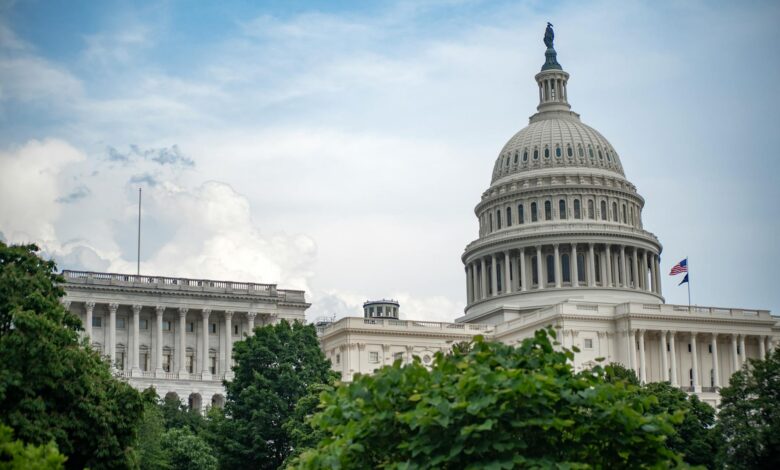
California’s newest Senator is making waves with an ambitious climate agenda that could reshape federal environmental policy. Just months after taking office, the successor to longtime Senator Dianne Feinstein has unveiled a comprehensive legislative package targeting carbon emissions, renewable energy infrastructure, and environmental justice initiatives.
The timing couldn’t be more critical. With extreme weather events devastating communities across the Golden State and the nation grappling with rising energy costs, the push for bold climate action has gained unprecedented momentum. This legislative package represents one of the most comprehensive approaches to climate policy introduced in recent years, potentially setting the stage for nationwide environmental reforms.
The Legislative Package: Four Pillars of Climate Action
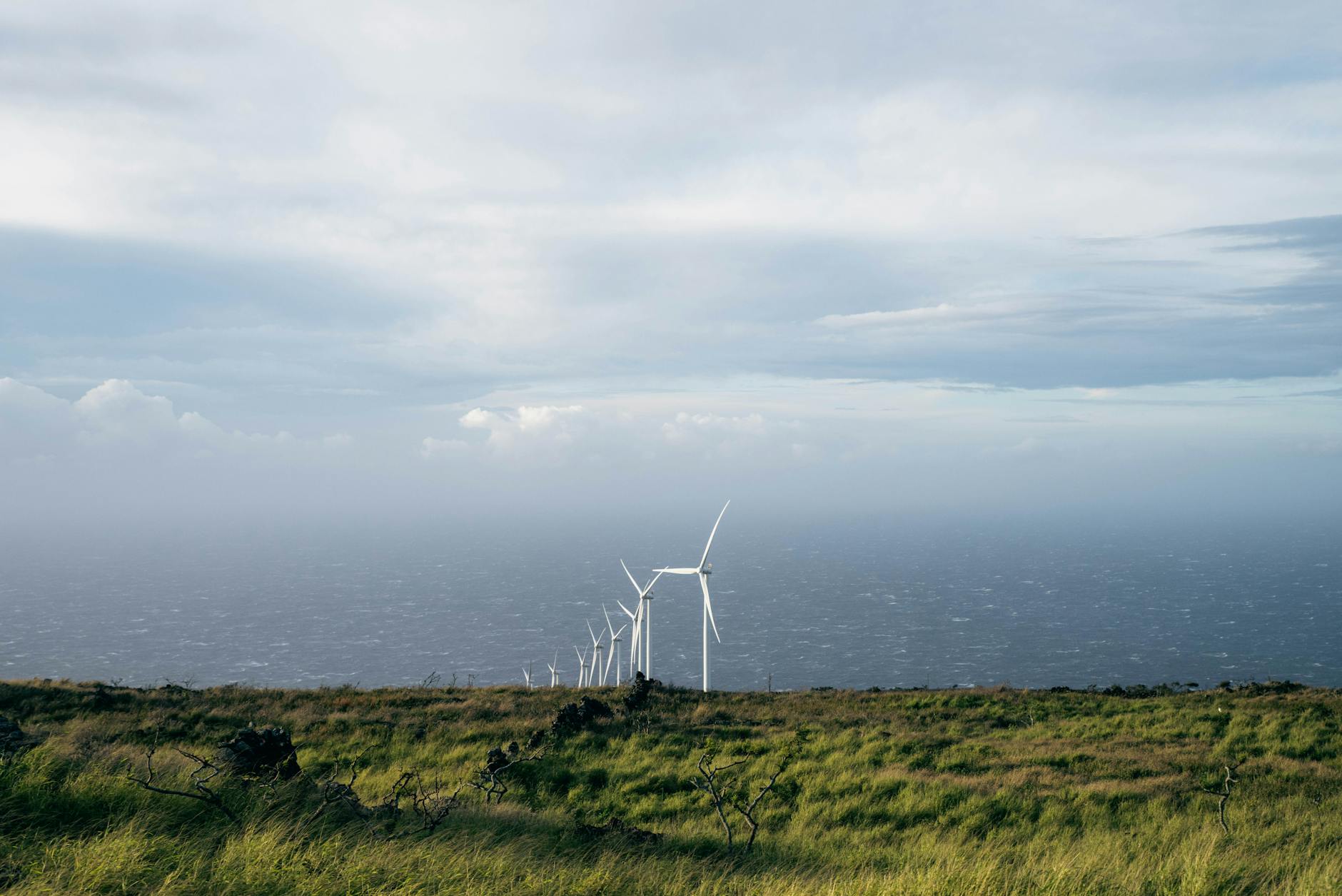
The climate legislation package centers on four key areas: renewable energy acceleration, environmental justice, carbon reduction targets, and green jobs creation. According to sources familiar with the proposals, the package includes provisions for massive federal investment in solar and wind infrastructure, particularly in underserved communities that have historically borne the brunt of environmental pollution.
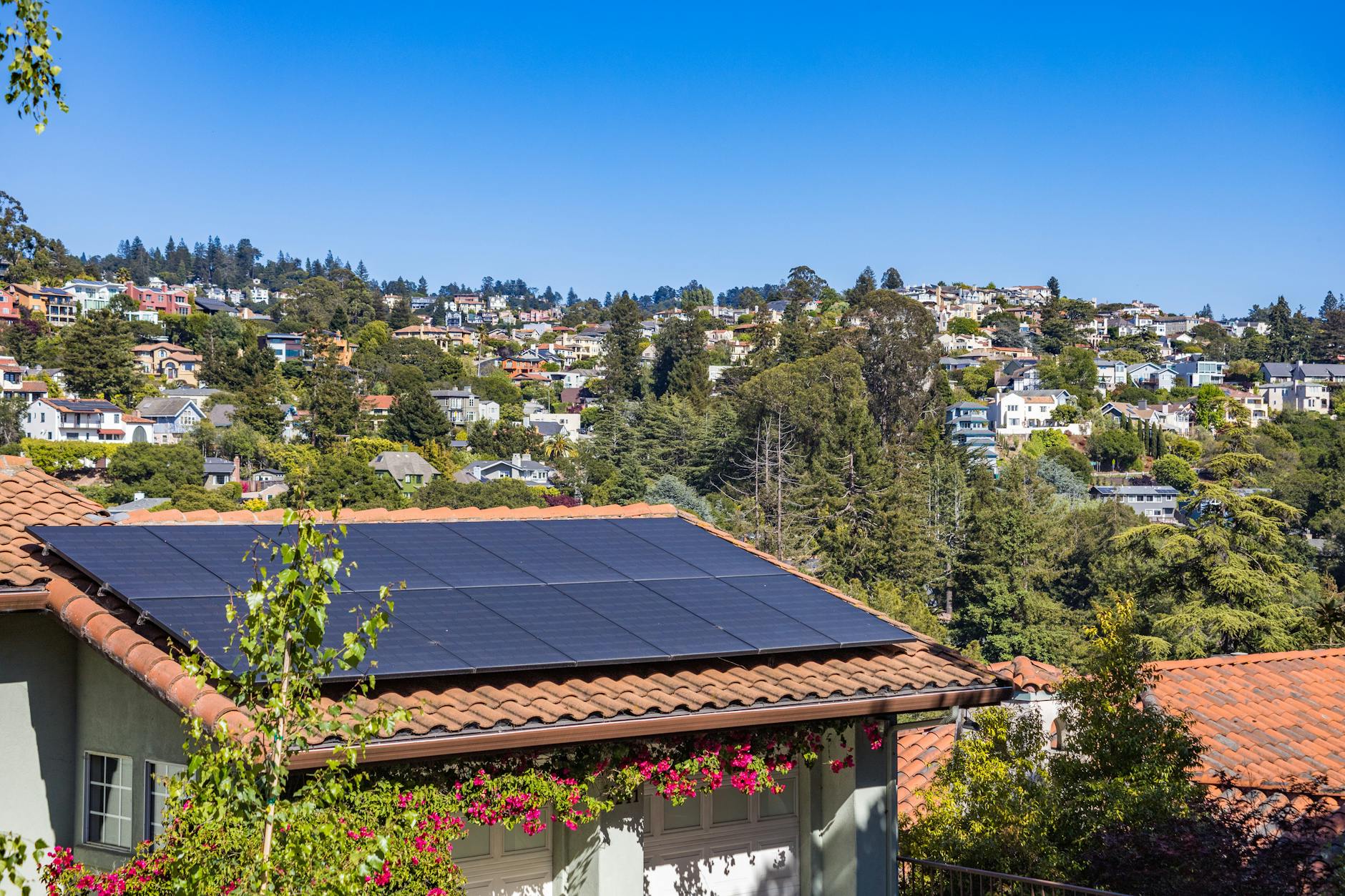
The renewable energy component reportedly includes tax incentives for homeowners installing solar panels and battery storage systems, while also establishing new federal standards for clean energy procurement. The environmental justice provisions specifically target communities of color and low-income areas, ensuring they receive priority access to clean energy programs and pollution remediation efforts.
Carbon reduction targets outlined in the package align with the most aggressive climate goals advocated by environmental scientists. The legislation proposes sector-specific emission reduction requirements for transportation, manufacturing, and agriculture, with enforcement mechanisms that include both incentives for compliance and penalties for continued high-emission practices.
The green jobs initiative promises to create training programs for workers transitioning from fossil fuel industries, partnering with unions and community colleges to ensure no worker is left behind in the shift to renewable energy. This approach addresses concerns about economic displacement while building the workforce needed for America’s clean energy future.
Political Landscape and Coalition Building
The legislative package arrives at a time when climate action faces significant political headwinds in Congress. With House Speaker Johnson facing growing opposition within the Republican caucus, building bipartisan support for comprehensive climate legislation presents considerable challenges.
However, the Senator’s office reports receiving preliminary support from several moderate Republicans, particularly those representing states experiencing severe climate impacts. The strategy focuses on emphasizing economic benefits and job creation rather than purely environmental arguments, appealing to lawmakers concerned about their constituents’ economic well-being.
Environmental advocacy groups have rallied behind the package, with major organizations pledging grassroots campaigns in targeted congressional districts. Labor unions, traditionally cautious about environmental regulations that might affect jobs, have expressed cautious optimism about the workforce transition provisions included in the legislation.
The package also aligns with broader Democratic priorities, potentially gaining support from governors who have been vocal about federal climate action. This coordinated approach mirrors recent efforts where Democratic governors have united on key policy issues, demonstrating the party’s willingness to coordinate across different levels of government.
Industry Response and Economic Implications
Reactions from various industry sectors reveal the complex economic dynamics surrounding the proposed legislation. Renewable energy companies have expressed strong support, viewing the package as a catalyst for unprecedented growth in solar, wind, and energy storage markets. Several major clean energy firms have already announced plans to expand operations in anticipation of the legislation’s passage.
Traditional energy sectors present a more mixed response. While some oil and gas companies oppose provisions that would accelerate the transition away from fossil fuels, others have embraced aspects of the package that support carbon capture technology and alternative fuel development. This nuanced industry response reflects the evolving energy landscape, where even traditional players recognize the need to adapt to changing market conditions.
Financial markets have responded positively to news of the legislative package, with clean energy stocks experiencing notable gains following the announcement. Investment analysts suggest that federal policy certainty could unlock billions in private sector climate investments that have been waiting for regulatory clarity.
The agriculture sector, often overlooked in climate discussions, finds itself prominently featured in the package. Provisions for sustainable farming practices, soil carbon sequestration programs, and support for farmers adopting climate-friendly techniques address rural concerns while advancing environmental goals.
Implementation Timeline and Next Steps
The Senator’s office has outlined an aggressive timeline for advancing the legislation, with committee hearings scheduled to begin within the next month. The strategy involves breaking the comprehensive package into smaller bills that can advance through different committees simultaneously, potentially speeding the legislative process.
Public hearings will feature testimony from climate scientists, industry leaders, labor representatives, and community advocates, ensuring diverse perspectives inform the legislative process. The Senator’s team emphasizes transparency and public engagement, planning town halls in communities that would be most affected by the proposed changes.
International implications of the legislation extend beyond domestic policy. If enacted, the package would position the United States as a leader in global climate action, potentially influencing international negotiations and trade relationships. This broader impact aligns with diplomatic efforts to rebuild America’s environmental leadership on the world stage.
As Congress prepares to debate this ambitious climate agenda, the success of this legislative package could determine the trajectory of American environmental policy for decades to come. The Senator’s bold approach reflects growing urgency around climate action, while the comprehensive nature of the proposals demonstrates an understanding that effective climate policy must address economic, social, and environmental concerns simultaneously. Whether this vision can navigate the complex political landscape of Washington remains to be seen, but the stakes for both the climate and the nation’s energy future have never been higher.
Frequently Asked Questions
What are the main components of the climate legislation package?
The package focuses on renewable energy acceleration, environmental justice, carbon reduction targets, and green jobs creation programs.
How does the legislation address job concerns in fossil fuel industries?
It includes workforce transition programs partnering with unions and community colleges to retrain workers for clean energy careers.