Biden Administration Faces Congressional Pushback Over AI Regulation Framework

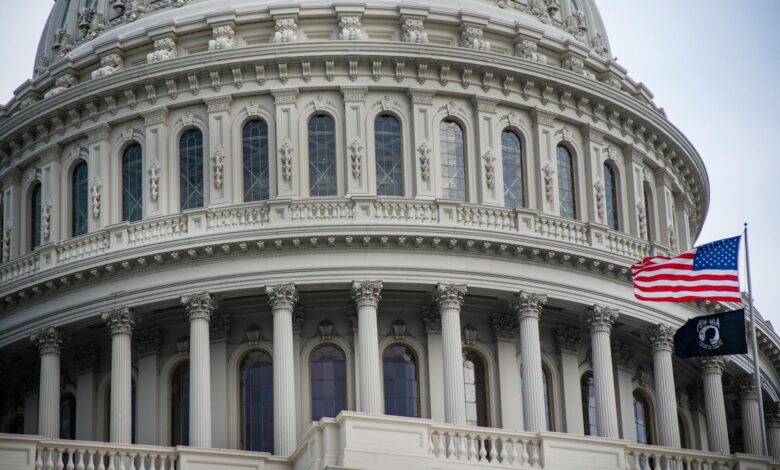
The Biden Administration’s artificial intelligence regulation framework faces mounting resistance from both sides of the congressional aisle, as lawmakers question whether the executive branch has overstepped its authority in addressing one of technology’s most complex challenges. The controversy centers on a comprehensive AI oversight structure that would establish federal standards for AI development, deployment, and safety testing across industries.
Congressional critics argue the administration moved too quickly without sufficient legislative input, creating potential constitutional conflicts over regulatory authority. The dispute highlights the broader struggle between urgent technological governance needs and traditional democratic processes.
Constitutional Questions Over Executive Authority
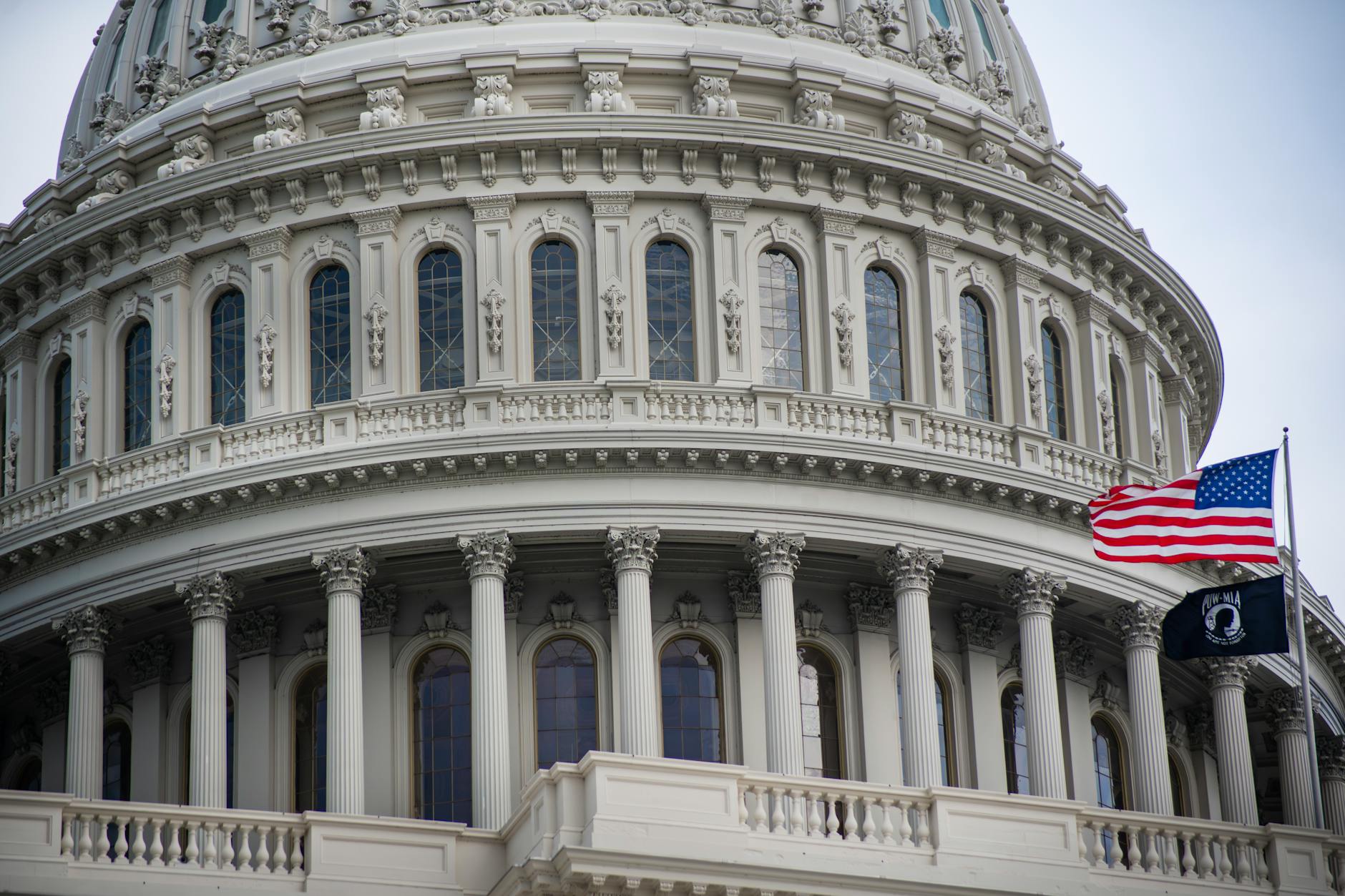
Republican lawmakers have raised significant concerns about the administration’s approach to AI regulation, arguing that such sweeping technological oversight requires congressional authorization rather than executive action. Representative Jim Jordan of Ohio leads a House Judiciary Committee effort challenging the framework’s legal foundation.
“The administration is attempting to regulate an entire technological sector without clear statutory authority,” Jordan stated during recent committee hearings. “This represents executive overreach that bypasses the legislative process entirely.”
The constitutional debate centers on whether existing federal agencies possess adequate authority to regulate AI systems across multiple sectors. Current laws governing technology were written before modern AI capabilities existed, creating regulatory gaps that the administration argues necessitate immediate executive action.
Legal scholars remain divided on the issue. Some support the administration’s position that existing federal authority provides sufficient basis for AI oversight, while others argue that comprehensive AI regulation requires new legislation crafted specifically for artificial intelligence challenges.
Industry Concerns and Implementation Challenges
Technology companies have expressed mixed reactions to the proposed regulatory framework, with some supporting federal standards while others worry about implementation costs and innovation constraints. Major tech firms including Google, Microsoft, and OpenAI have engaged in ongoing discussions with federal regulators about compliance requirements.
The framework would establish mandatory safety testing for AI systems above certain capability thresholds, require disclosure of training data sources, and implement oversight mechanisms for AI applications in critical infrastructure sectors. These requirements have sparked intense debate about their practical implementation and economic impact.
Small AI startups have raised particular concerns about compliance costs, arguing that extensive regulatory requirements could favor established technology giants over innovative newcomers. Industry groups estimate that comprehensive AI testing and documentation could cost millions per system, potentially stifling competition in the rapidly evolving sector.

Meanwhile, some technology leaders have publicly supported federal AI oversight, arguing that industry self-regulation has proven insufficient for addressing AI safety concerns. They contend that clear federal standards would provide necessary certainty for long-term business planning and public trust.
Bipartisan Tensions and Legislative Alternatives
The congressional response has revealed unexpected bipartisan divisions over AI regulation approaches. While many Republicans oppose the administration’s executive framework, some Democratic lawmakers also express concerns about the process and scope of proposed regulations.
Senator Mark Warner of Virginia, typically supportive of technology oversight, has questioned whether the administration’s timeline allows for adequate stakeholder input and congressional review. Warner chairs the Senate Intelligence Committee and has advocated for a more deliberative legislative approach to AI governance.
“We need comprehensive AI regulation, but it must be done right,” Warner explained in recent statements. “Rushing to implement complex oversight without proper legislative foundation could create more problems than it solves.”
Progressive Democrats, however, argue that urgent AI safety concerns justify immediate executive action while congressional legislation develops. They point to rapid AI advancement and potential societal risks as reasons to support the administration’s proactive approach.
The divide extends beyond party lines, with lawmakers’ positions often reflecting their districts’ economic interests. Representatives from technology-heavy constituencies tend to favor industry-friendly approaches, while those from areas concerned about job displacement support stronger oversight measures.
Some legislators have proposed alternative approaches, including a phased implementation of AI regulations with built-in congressional review periods. These compromise proposals aim to address immediate safety concerns while preserving legislative authority over long-term AI governance.
International Implications and Competitive Concerns
The congressional debate occurs against a backdrop of international AI governance developments, particularly the European Union’s comprehensive AI Act and similar regulatory initiatives in other nations. American lawmakers express concerns about maintaining technological competitiveness while implementing necessary safety measures.

Critics argue that excessive regulation could handicap American AI companies against international competitors, particularly Chinese firms operating under different regulatory frameworks. They contend that overly restrictive rules might drive AI innovation offshore, undermining both economic interests and national security objectives.
Supporters counter that responsible AI regulation could establish American leadership in trustworthy AI development, creating competitive advantages through higher safety standards and public trust. They argue that proactive governance demonstrates democratic values and could influence global AI governance norms.
The administration has emphasized coordination with international partners on AI governance principles, but congressional critics question whether executive agreements on AI standards require legislative approval. This constitutional question adds another layer to the broader debate over regulatory authority.
Looking ahead, the resolution of congressional pushback will likely shape not only American AI governance but also global approaches to artificial intelligence regulation. The balance between executive action and legislative oversight remains contested, while the urgent pace of AI development continues to pressure policymakers for timely responses.
The outcome of this regulatory dispute will establish important precedents for technology governance in the digital age, determining how democracies can effectively address rapid technological change while preserving constitutional processes and democratic accountability.
Frequently Asked Questions
What is the Biden Administration’s AI regulation framework?
A comprehensive oversight structure establishing federal standards for AI development, safety testing, and deployment across industries.
Why are lawmakers opposing the AI regulations?
Critics argue the administration lacks sufficient congressional authorization and is overstepping executive authority in regulating technology.