

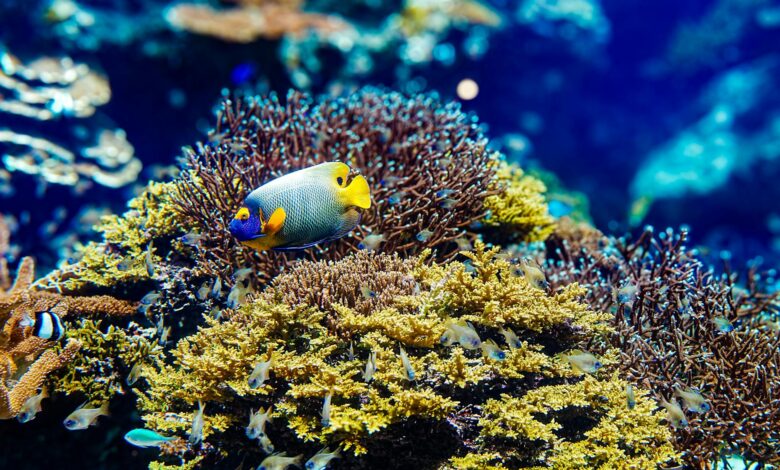
The Great Barrier Reef stretches 2,300 kilometers along Australia’s coast, but half of its coral has vanished in the last three decades. Now, Australia launches its most ambitious restoration effort yet, deploying cutting-edge technology to rebuild what climate change has destroyed.
The Australian government announced a $1.2 billion initiative combining artificial intelligence, automated seeding systems, and heat-resistant coral breeding to restore damaged reef sections. Marine scientists are working with tech companies to scale up restoration methods that previously worked only in laboratory settings.
Revolutionary Coral Breeding Program
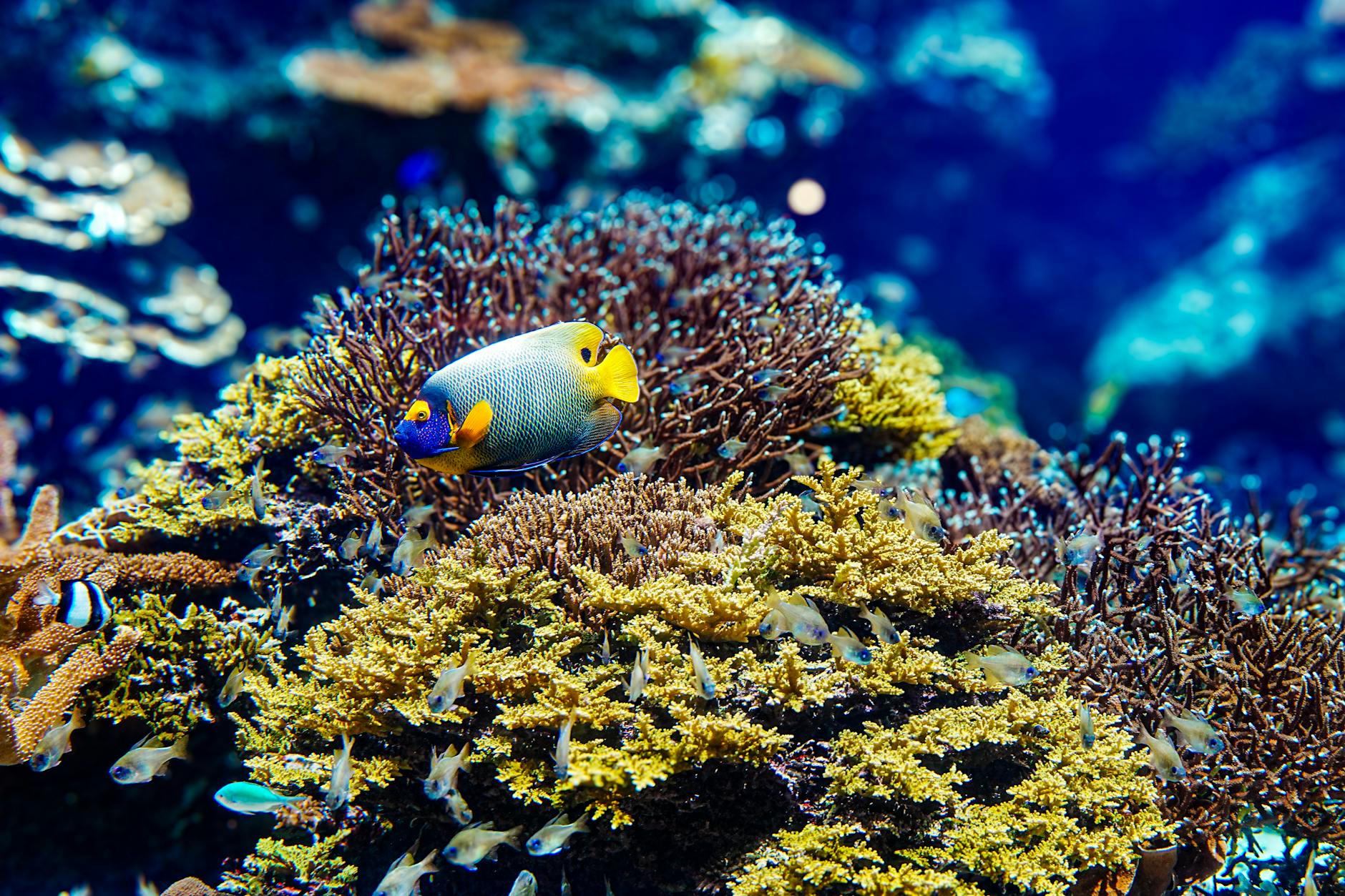
Scientists at the Australian Institute of Marine Science have developed heat-tolerant coral varieties that can survive water temperatures 2-3 degrees higher than traditional species. These “super corals” undergo selective breeding and laboratory conditioning before deployment to reef sites.
The breeding program uses controlled spawning events where researchers collect coral eggs and sperm during natural reproduction cycles. Laboratory facilities maintain optimal conditions while gradually exposing young coral to higher temperatures and acidity levels expected in future ocean conditions.
Dr. Sarah Mitchell, lead marine biologist on the project, explains that traditional restoration planted individual coral fragments by hand. “We’re now using automated systems that can deploy thousands of coral larvae across reef sections in a single operation,” she says.
The program targets 30 reef sites initially, focusing on areas that show natural resilience but need population boosts. Each site receives different coral varieties based on local water conditions and ecosystem needs.
AI-Powered Monitoring and Deployment
Underwater drones equipped with artificial intelligence survey reef conditions in real-time, identifying optimal locations for coral planting and monitoring growth rates. The AI systems analyze water temperature, acidity, current patterns, and existing marine life to determine where new coral has the best survival chances.
Automated deployment vessels follow drone recommendations, using precision targeting to place coral larvae and juvenile specimens. The technology can operate in rough weather conditions that would prevent human divers from working safely.
Remote sensing satellites track reef health across the entire Great Barrier Reef system, providing data that guides restoration priorities. The satellite imagery reveals bleaching events, storm damage, and recovery patterns that inform where restoration efforts will have maximum impact.
The monitoring system also tracks tourism and shipping traffic to coordinate restoration work with existing reef activities. Similar environmental technology initiatives are emerging globally, with countries like Singapore implementing comprehensive environmental monitoring systems that require climate impact assessments across all products.
Community and Industry Partnership
Tourism operators, fishing communities, and Indigenous groups participate in the restoration project through training programs and direct employment opportunities. Local boat operators receive certification to assist with coral deployment and monitoring activities.
Traditional owners of reef areas contribute cultural knowledge about seasonal patterns, fish behavior, and historical reef conditions that inform restoration strategies. Indigenous rangers work alongside marine scientists to ensure restoration methods align with traditional environmental management practices.
The tourism industry funds portions of the restoration work through visitor fees and voluntary contributions. Reef tour operators modify their routes to avoid active restoration sites while highlighting successful recovery areas to visitors.
Commercial fishing groups agree to temporary area closures during critical coral spawning and planting periods. These partnerships demonstrate how environmental restoration can align economic and conservation interests rather than creating conflicts.
Scaling Up for Global Impact
Australia’s restoration techniques are being adapted for coral reefs in the Caribbean, Southeast Asia, and the Pacific Islands. International marine research centers are implementing similar AI monitoring systems and heat-resistant coral breeding programs.
The project’s success could influence coral restoration funding globally, as governments and conservation groups seek proven methods for reef recovery. Early results show 40% higher survival rates for heat-conditioned coral compared to traditional restoration methods.
Scientists estimate that successful restoration of 30% of damaged reef areas could support fish populations and tourism industries worth billions of dollars annually. The restored reefs also provide coastal protection from storms and rising sea levels.
As climate change continues affecting ocean temperatures worldwide, Australia’s restoration project represents a shift from simply protecting existing reefs to actively rebuilding marine ecosystems. The combination of advanced technology and natural resilience offers hope for coral reefs that seemed beyond recovery just decades ago.
Frequently Asked Questions
How does the new coral restoration technology work?
The program uses AI-guided drones, automated deployment systems, and laboratory-bred heat-resistant coral varieties that can survive higher ocean temperatures.
What is the timeline for the restoration project?
The initial phase targets 30 reef sites with plans to expand based on early results and available funding over the next decade.