


Antarctic ice is melting at rates that scientists describe as “unprecedented,” with new NASA research revealing acceleration patterns that surpass even the most pessimistic climate models. The findings, released this week by NASA’s Goddard Space Flight Center, show the Antarctic Ice Sheet losing mass at a rate not seen in modern scientific observation, with profound implications for global sea level rise and coastal communities worldwide.
The research, conducted using satellite data spanning two decades, indicates that West Antarctica alone is contributing to sea level rise three times faster than previously measured. Scientists point to warming ocean temperatures and shifting wind patterns as primary drivers of this dramatic acceleration, marking a critical tipping point in Antarctic ice dynamics.

Record-Breaking Ice Loss Documented
NASA’s Ice, Cloud and Land Elevation Satellite-2 (ICESat-2) has recorded the most comprehensive data on Antarctic ice loss to date. The satellite measurements show that Antarctica lost approximately 150 billion tons of ice annually between 2019 and 2024, compared to roughly 40 billion tons per year in the 1990s.
The Thwaites Glacier, dubbed the “Doomsday Glacier” by researchers, has become the poster child for this crisis. This Florida-sized ice mass has retreated more than 14 kilometers inland since 2000, with its retreat rate doubling in the past five years. The glacier’s ice shelf, which acts as a natural barrier holding back inland ice, has developed massive cracks that scientists say could lead to complete collapse within the next decade.
Dr. Isabella Rodriguez, lead researcher on the NASA team, explains that the acceleration isn’t uniform across Antarctica. “We’re seeing dramatic changes primarily in West Antarctica and parts of East Antarctica, while some regions remain relatively stable. This uneven pattern creates complex dynamics that make predictions challenging but increasingly urgent.”
The Pine Island Glacier system has shown similarly alarming trends. Once considered relatively stable, this massive ice stream now loses ice at a rate 75% faster than measurements from the early 2000s. The glacier’s grounding line – the point where ice meets ocean – has retreated inland by more than 20 kilometers, exposing more ice to warm ocean water.
Ocean Warming Drives Underwater Melting
The research reveals that underwater melting, rather than surface melting, accounts for the majority of ice loss. Warm ocean water, some reaching temperatures 4 degrees Celsius above freezing, flows beneath ice shelves and glaciers, eating away at ice from below in a process scientists call “basal melting.”

This underwater assault proves particularly devastating because it destabilizes entire ice systems. When ice shelves thin from below, they provide less resistance to inland glaciers, allowing ice to flow more rapidly toward the ocean. The process creates a feedback loop: faster ice flow leads to more exposure to warm water, which accelerates melting further.
Ocean temperature data collected by autonomous underwater vehicles shows that warming extends deep into Antarctic waters. The Circumpolar Deep Water, a warm ocean layer that naturally exists around Antarctica, has been pushed closer to the continent by changing wind patterns linked to climate change.
Seasonal patterns have also shifted dramatically. Summer melt seasons now extend weeks longer than historical averages, while winter recovery periods have shortened. This extended exposure to warmer conditions prevents ice from rebuilding during traditional recovery periods, contributing to net annual losses.
The research connects these local changes to global climate patterns. El Niño and La Niña cycles, which affect weather worldwide, now influence Antarctic ice loss more dramatically than in previous decades. During strong El Niño events, ice loss rates can increase by 40% above baseline measurements.
Global Implications and Sea Level Projections
The accelerated ice loss carries immediate consequences for global sea levels. Current melting rates contribute approximately 0.6 millimeters annually to global sea level rise, but projections suggest this could triple within 20 years if current trends continue.
Coastal cities worldwide face increasing vulnerability. Miami, Venice, Bangkok, and dozens of low-lying island nations experience more frequent flooding during high tides and storm surges. The research indicates that without significant intervention, several small island states could become uninhabitable within 30 years.
The timing of ice loss creates additional complications. Unlike gradual changes that communities might adapt to over centuries, current acceleration happens within decades – faster than most infrastructure planning cycles. Cities like New York and London, which have invested billions in flood defenses, may need to completely redesign protection systems.
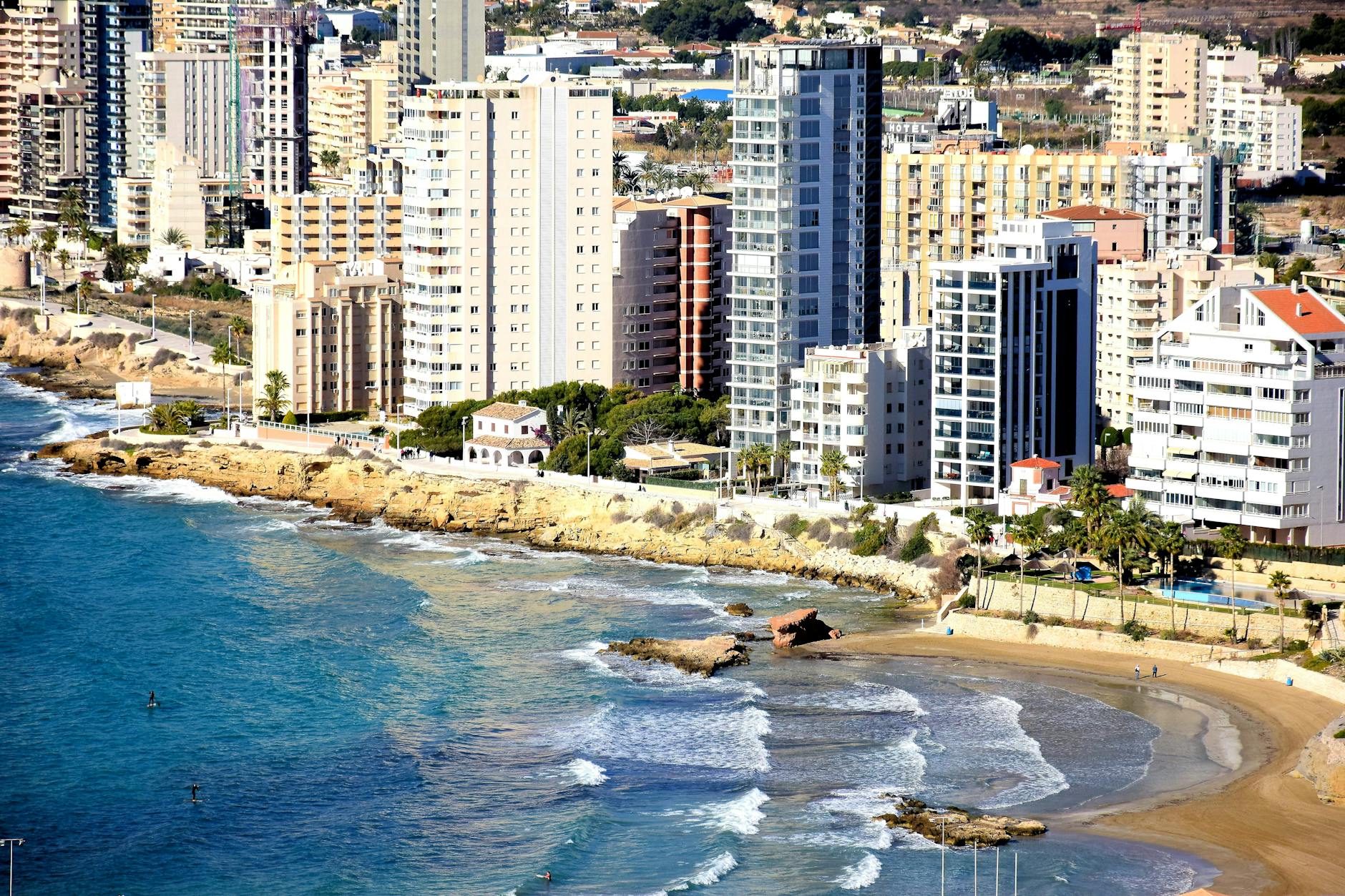
Scientists emphasize that Antarctic ice loss represents just one component of sea level rise. Greenland ice melt, thermal expansion of warming oceans, and glacier retreat worldwide combine to accelerate the problem. When these factors align, as they increasingly do, the cumulative effect far exceeds individual contributions.
The research also reveals regional variations in sea level impact. Due to Earth’s gravitational field and rotation, ice loss from different Antarctic regions affects different parts of the world disproportionately. West Antarctic melting particularly impacts the Pacific and Atlantic coasts of North and South America, while East Antarctic changes more significantly affect the Indian Ocean region.
Response Efforts and Future Monitoring
NASA has announced expanded monitoring efforts, including additional satellite missions and enhanced collaboration with international research partners. The agency plans to launch three new ice-monitoring satellites before 2030, creating an unprecedented real-time picture of polar ice changes.
Research teams are also deploying new technologies directly on Antarctic ice. Autonomous sensors placed on glaciers transmit continuous data about ice movement, temperature, and structural changes. These ground-based measurements validate satellite observations and provide crucial details about ice dynamics.
International cooperation has intensified in response to the findings. The Antarctic Treaty nations have committed to sharing all ice monitoring data in real-time, creating a global early warning system for rapid ice changes. This collaboration mirrors recent environmental initiatives, including China’s comprehensive plastic ban, showing how environmental crises drive policy coordination across borders.
Climate scientists stress that while the Antarctic situation appears dire, early detection provides opportunities for adaptation and mitigation. Communities worldwide are developing innovative responses, from floating architecture in flood-prone areas to advanced sea wall technologies that can adjust to changing water levels.
The next phase of research will focus on tipping points – critical thresholds beyond which ice loss becomes irreversible. Understanding these boundaries helps policymakers and communities plan for unavoidable changes while working to prevent crossing additional tipping points. As extreme weather events become more frequent globally, including situations like Pakistan’s intensified monsoon flooding, the connection between polar ice changes and global weather patterns becomes increasingly clear.
The NASA research represents both a warning and a call to action. While Antarctic ice loss has accelerated beyond previous predictions, comprehensive monitoring and international cooperation provide tools for understanding and responding to these changes before they become catastrophic for coastal communities worldwide.
Frequently Asked Questions
How fast is Antarctic ice currently melting?
Antarctica loses approximately 150 billion tons of ice annually, compared to 40 billion tons per year in the 1990s according to NASA research.
Which Antarctic glaciers are most at risk?
The Thwaites “Doomsday Glacier” and Pine Island Glacier system show the most dramatic ice loss, with retreat rates doubling in recent years.